Nativo Resources has locked in the money to finish its La Patona gold-processing plant in southern Peru, a financing that could turn a cash-hungry junior miner into a self-funding operator and sharply reduce its dependence on dilutive capital raises.
Nativo Resources secures funding for Peru gold plant
The AIM-listed company said Chancery Royalty will provide $3.5 million to complete Phase 1 of the 70-tonnes-a-day plant in Acarí, Arequipa, while also buying a 16% stake in Nativo for £600,000. In return, Chancery gets a royalty on output: 6% of gross gold revenue until it receives the equivalent of 3,034 ounces, then 1.5% for the rest of the mine’s life.
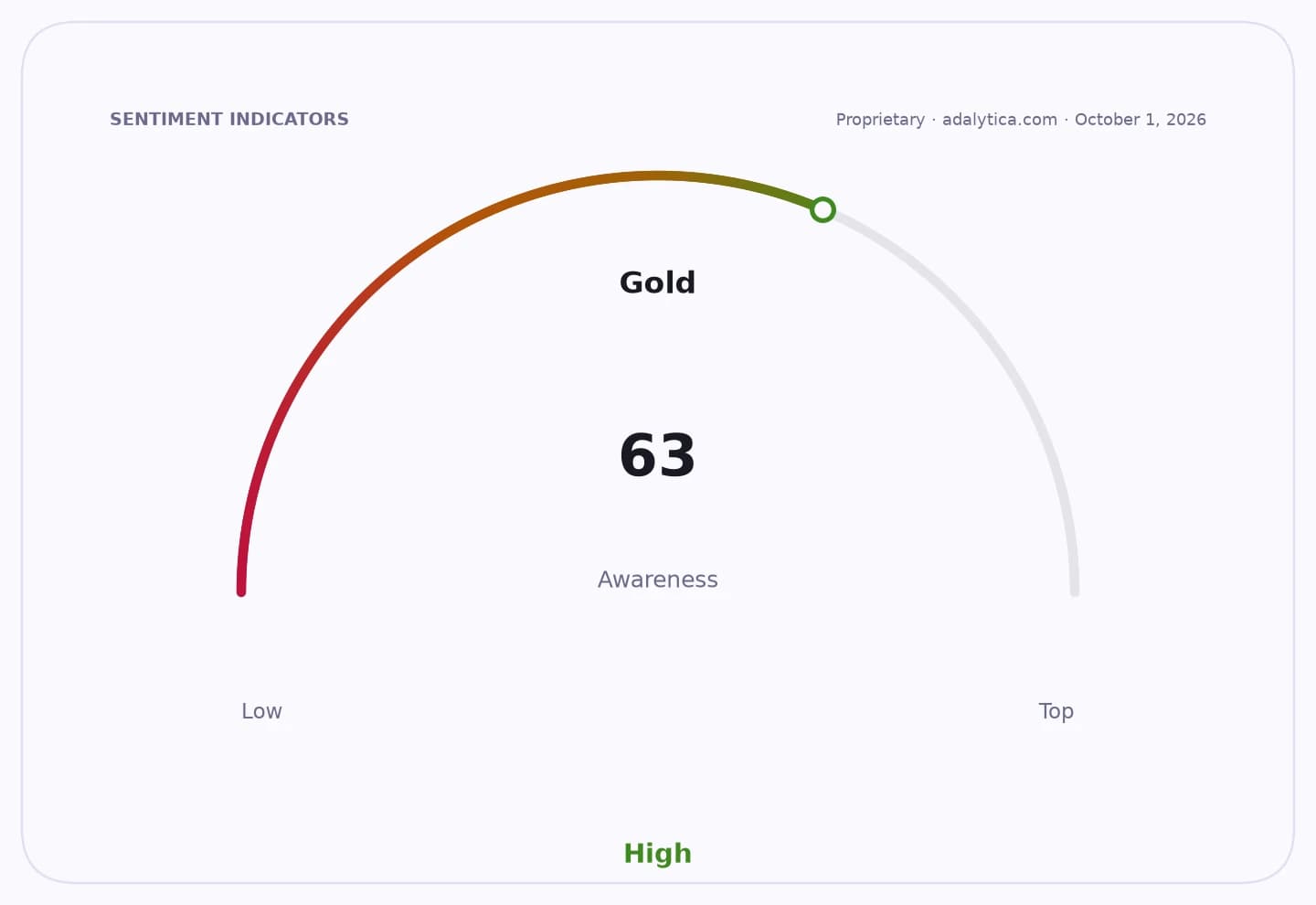
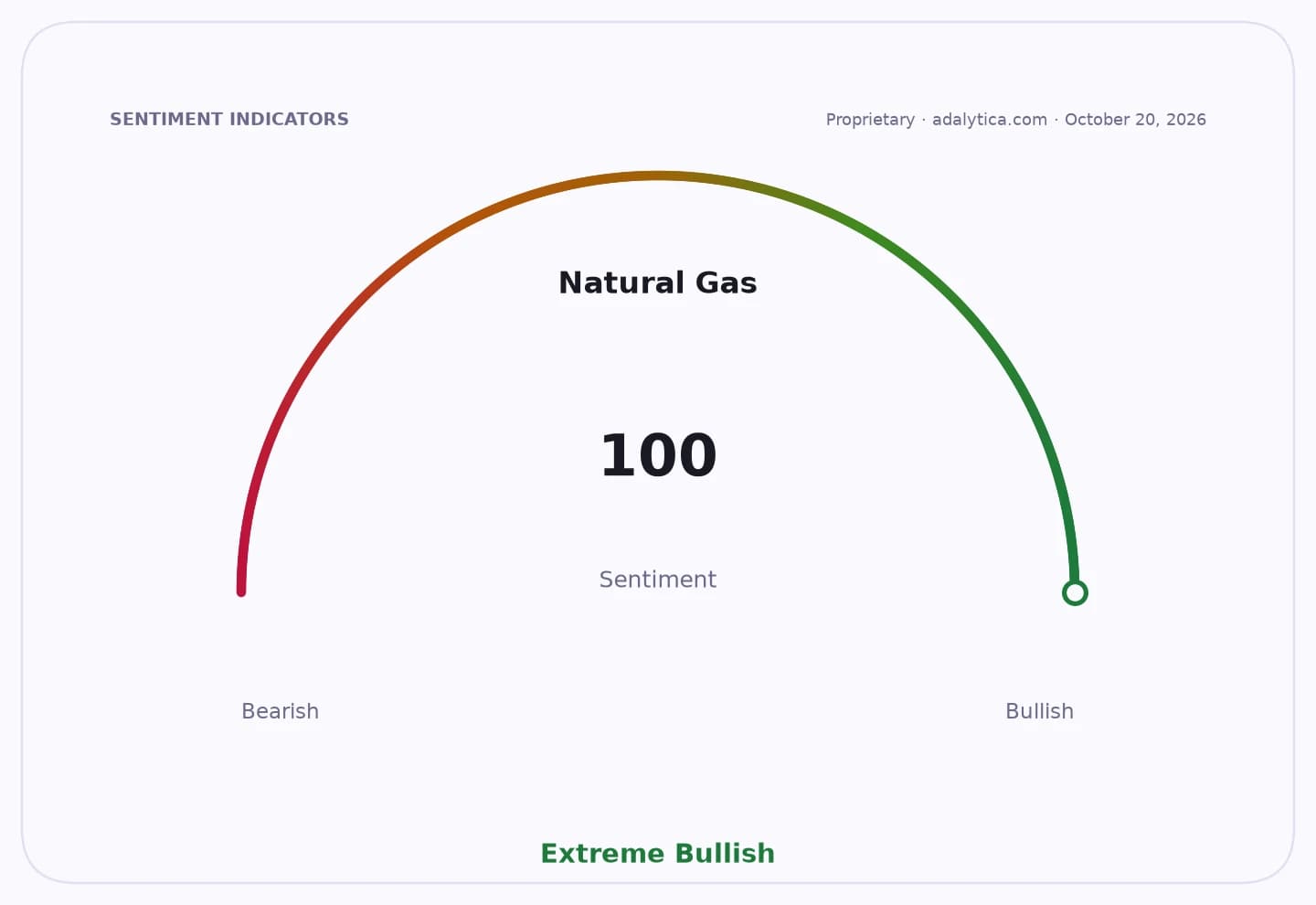
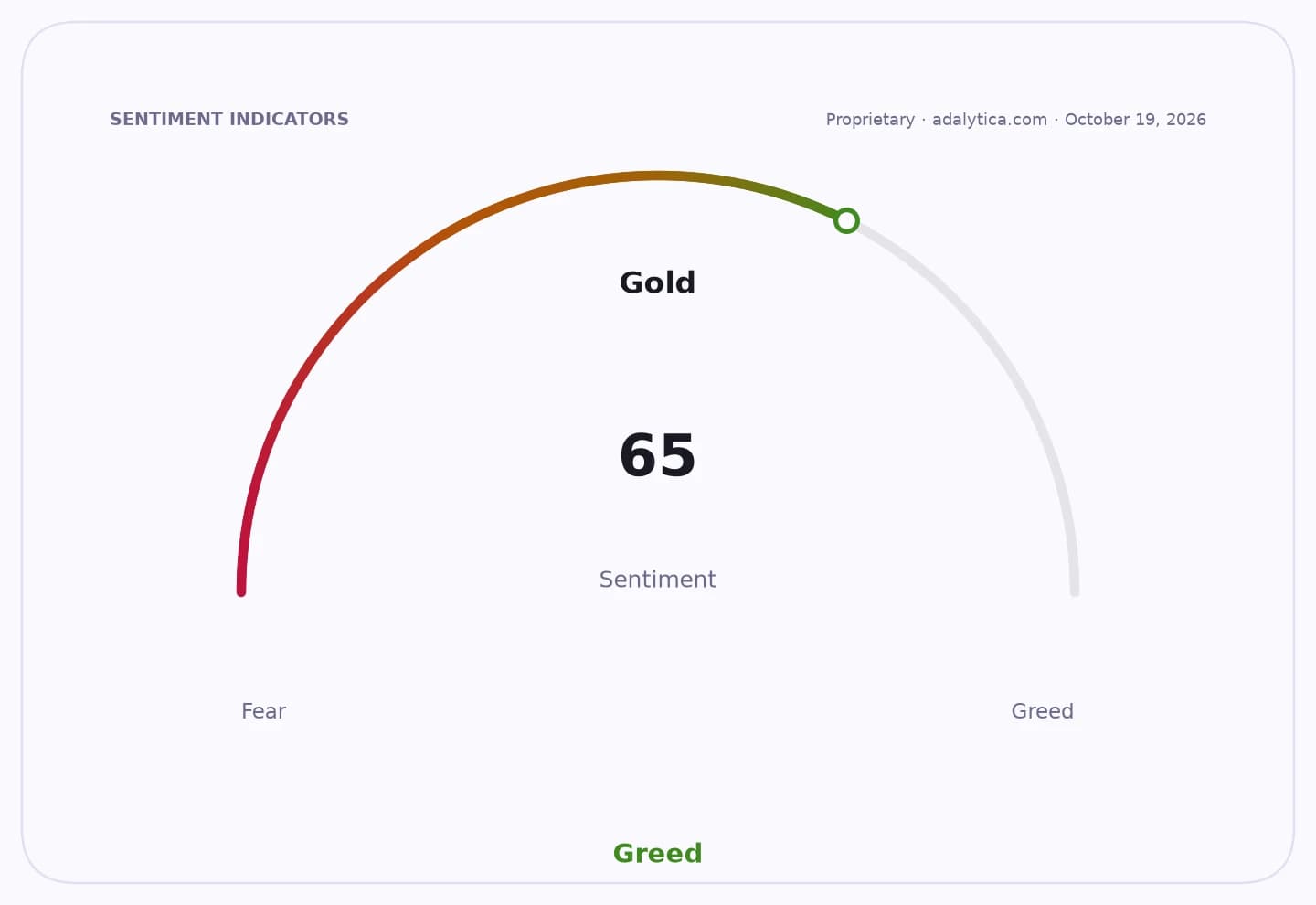
Sentiment IndicatorsⓘProprietary · adalytica.com · October 19, 2026
This is a snapshot — live sentiment, awareness and momentum for 130+ markets update continuously in the dashboard.Open AlphaPulse
For investors, the significance is immediate. Nativo is not just getting a bridge loan — it is securing a fully funded route to first production, with commissioning targeted for the second quarter of 2027. In a sector where juniors often stall because they run out of cash before construction is complete, a guaranteed funding path is worth far more than headline project economics. It also explains why the stock jumped sharply after the announcement, with the company citing a gain of about 160%.
The deal matters because it changes the financing profile of the business. Nativo said cash flow from Phase 1 should help fund later expansions to 350 tonnes a day, allowing the company to step away from repeated equity issuance. That is the kind of inflection point resource investors look for: once a project moves from buildout to production, valuation can re-rate quickly if execution holds.
Chancery, for its part, is buying exposure to a short-dated production stream in a gold market still supported by macro uncertainty, weak dollar sentiment and elevated rate expectations. Gold has remained well bid as investors hedge against sticky inflation and geopolitical risk, while the U.S. dollar trade signals from Adalytica point to fear in the currency complex even as gold sentiment stays neutral. That backdrop makes royalty income attractive: Chancery gets upside from operating leverage without taking direct mining risk.
The structure also gives Chancery a foothold in Peru, one of Latin America’s most important gold jurisdictions, where formal projects compete with persistent illegal and informal mining pressure. That makes properly financed, permitted processing capacity more valuable, not less. The company now has six royalties in or near production across the Americas, Europe and Africa, and it says it wants to lift its gold-equivalent ounces from 4,000 in 2027 to more than 28,000 by 2030.
The investment case is straightforward: royalty capital is flowing toward near-term production, while junior miners with stranded assets are being forced to trade away equity to finish projects. For Nativo, the trade-off is clear — dilution now in exchange for a funded path to cash flow. For Chancery, the bet is that the market is underestimating how quickly small, scalable processing assets can start throwing off gold-linked revenue once construction risk is removed. Investors should watch the 2027 commissioning timeline and the next expansion phase closely. If La Patona starts on schedule, this could be the first step in a much larger rerating story.
| Entity | Gains | Losses |
|---|---|---|
| Nativo Resources | ▲Fully funded plant completion | ▼16% equity dilution |
| Chancery Royalty | ▲Gold royalty income | ▼Upfront capital risk |
| Existing Nativo shareholders | ▲Potential production rerating | ▼Lower ownership stake |
| Peru gold sector | ▲More formal processing capacity | ▼Less room for subscale operators |