Nequi users in Colombia can now buy digital gold through Wenia, giving millions of retail customers a simpler on-ramp into an asset that investors are increasingly using as a hedge against currency weakness, geopolitical stress and financial market volatility.
Nequi users in Colombia can buy digital gold
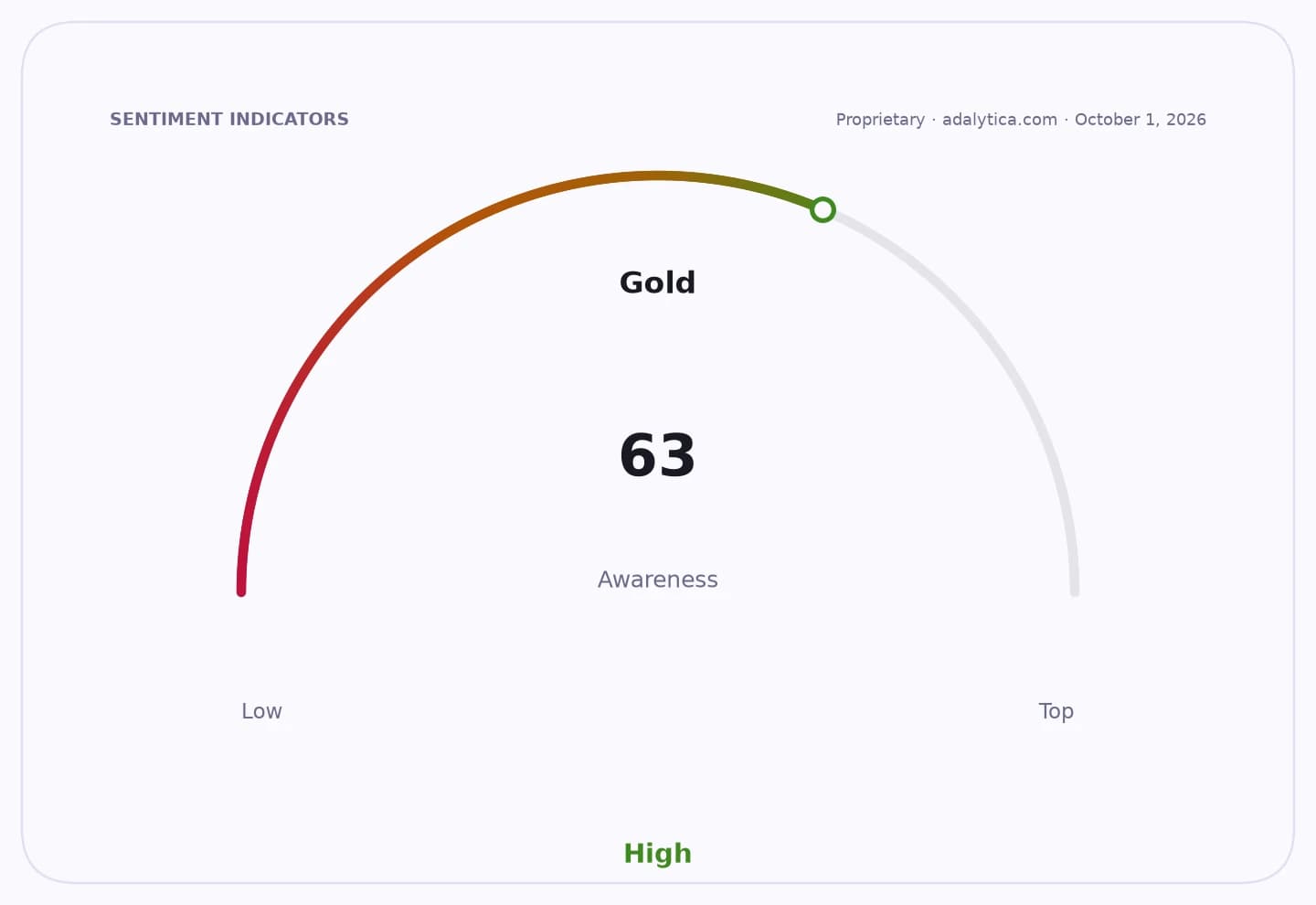
The move matters because it turns gold exposure into a smartphone transaction rather than a trip to a bullion dealer, lowering the barrier to entry for first-time buyers and expanding the addressable market for tokenized commodities in Latin America. In a country where retail finance has been rapidly digitizing, that kind of distribution can be more important than the product itself: whoever controls the payments rail often controls the customer relationship.
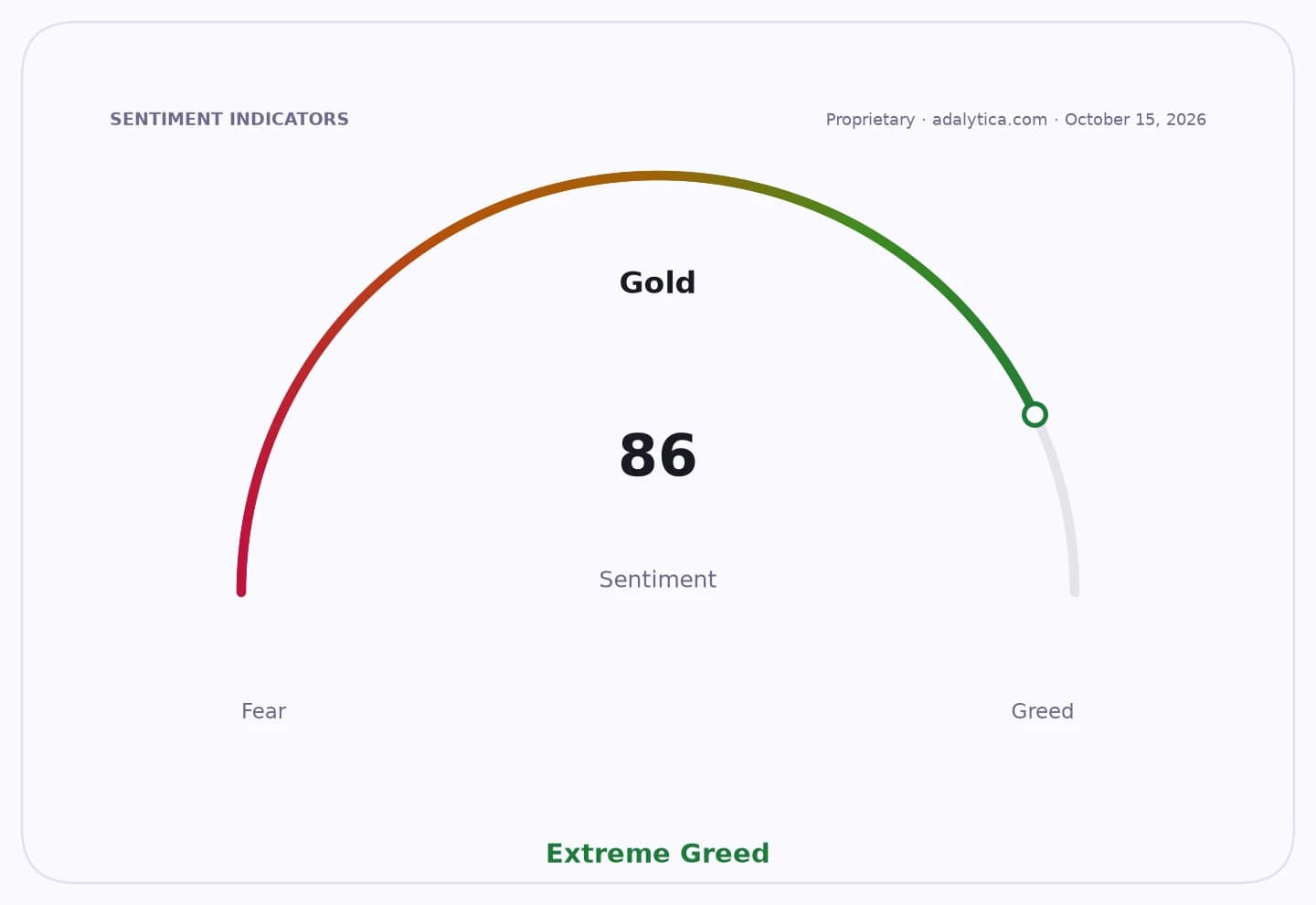
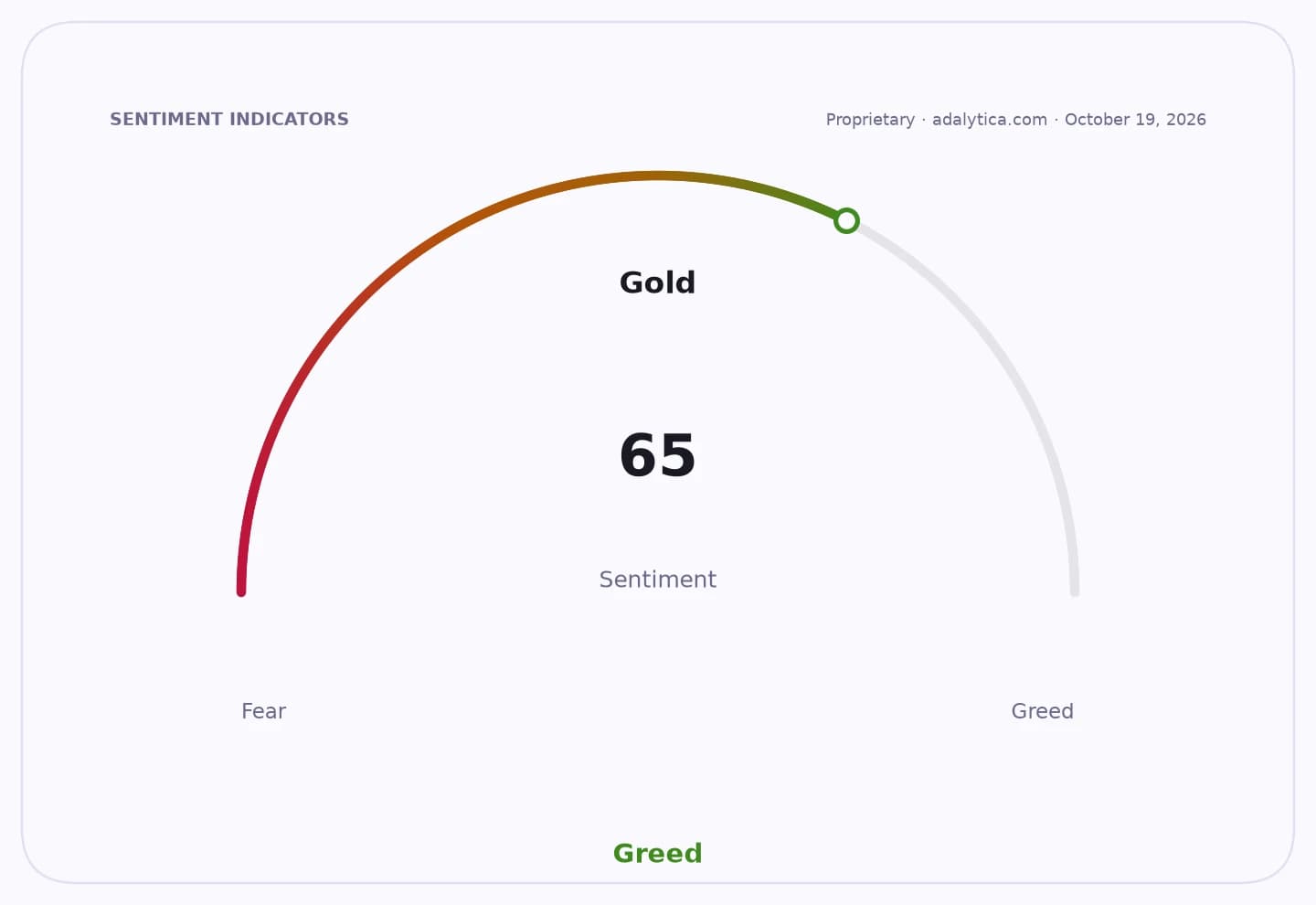
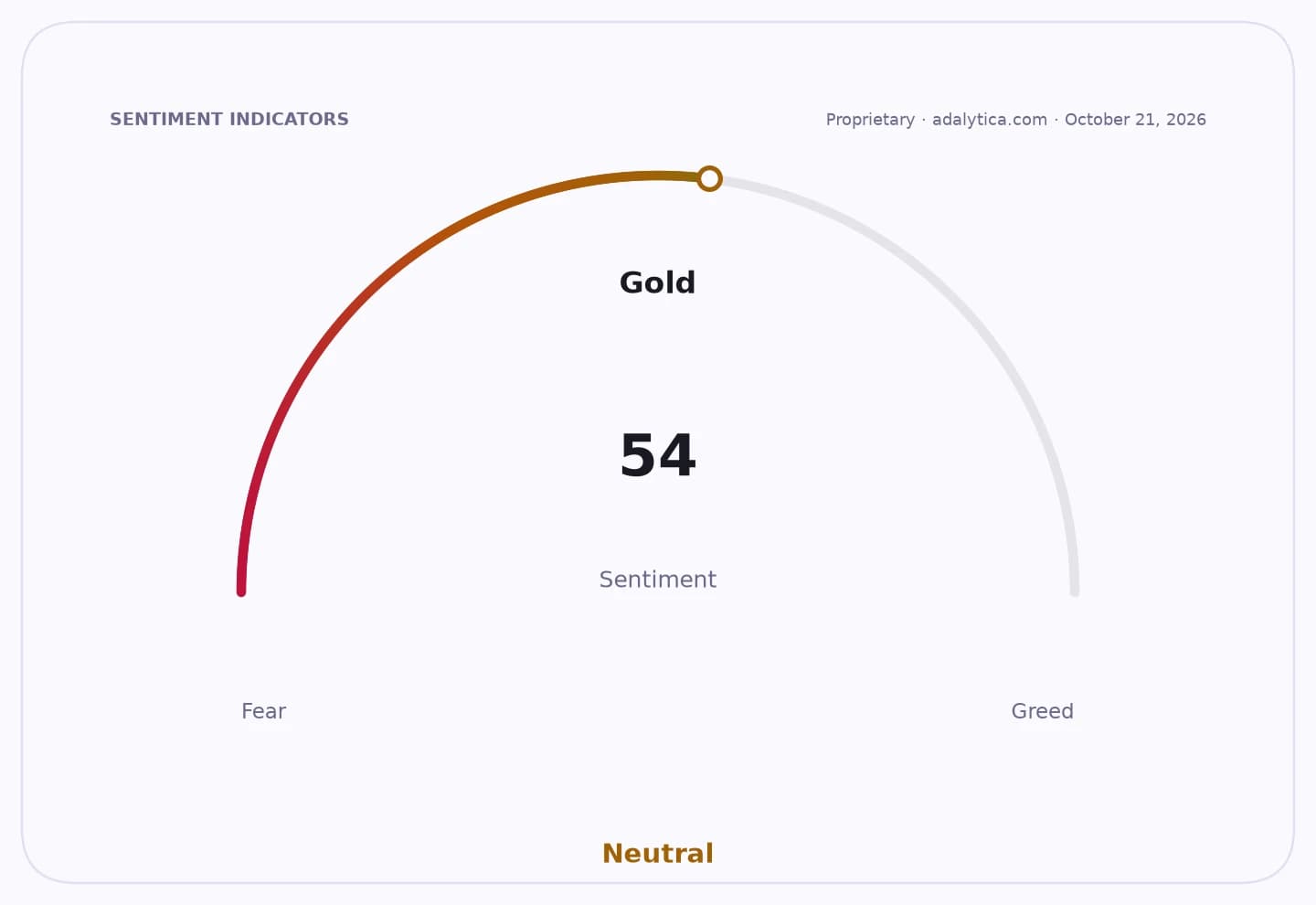
Sentiment IndicatorsⓘProprietary · adalytica.com · October 1, 2026
This is a snapshot — live sentiment, awareness and momentum for 130+ markets update continuously in the dashboard.Open AlphaPulse
The route is indirect but important. Users move balances from Nequi into COPW, Wenia’s peso-referenced digital asset, and then convert that into PAXG, a token whose value tracks gold and is backed by one troy ounce of fine gold held by Paxos Trust Company. Wenia says it now offers 14 digital assets, including bitcoin, ether and several stablecoins, but the gold token stands out because it connects one of the world’s oldest stores of value with one of the fastest-growing retail channels in emerging markets.
That combination arrives at a moment when gold is already drawing intense investor attention. Adalytica’s Gold Fear & Greed Index shows “Extreme Fear” at 9, underscoring the defensive bid in the metal even as the GLD ETF remains well above its 200-day moving average and sharply above levels seen earlier this year. In other words, the market is already telling you where capital wants to hide; Nequi is simply making it easier for Colombian savers to join that trade.
For investors, the bigger story is not just digital gold. It is the rise of local-currency gateways into global hard assets. Products like PAXG reduce the friction of ownership, create new fee pools for fintech platforms and could pull more savings out of cash and into tokenized assets. If adoption gains traction, the winners are likely to be the platforms that own distribution, custody and transaction flow, not just the token issuers.
There is also a second-order macro implication. Colombia is adding another channel for households to seek protection outside the peso without having to move fully into dollar banking or physical bullion. That can matter in markets where trust in local currency savings is shallow and consumers want inflation hedges that are accessible, divisible and liquid. The fact that Wenia also allows conversion back into other digital assets makes the platform more of a gateway than a single-product feature.
The risks are clear: PAXG still moves with the gold price, and tokenized access does not eliminate market loss. But the strategic direction is unmistakable. The next phase of gold investing is likely to be less about vaults and more about apps, and the companies that build the easiest bridge between local money and hard assets may capture a durable advantage.
For investors looking for the secular opportunity, the takeaway is straightforward: watch the platforms, not just the metal. Digital gold distribution in Colombia is a small headline with a big thesis behind it — the tokenization of safe-haven assets is moving from niche to mainstream, and that trend can compound for years.
| Entity | Gains | Losses |
|---|---|---|
| Wenia / Grupo Cibest | ▲More users and fees | ▼Lower dependence on single products |
| Nequi / Bancolombia users | ▲Easier gold access | ▼Higher exposure to gold price swings |
| Gold-backed token issuers | ▲Wider distribution | ▼Need to prove trust and custody |
| Physical bullion dealers | ▲Less retail friction advantage | ▼Loss of small-ticket buyers |