India’s sovereign gold bond investors are set for a windfall, with one maturing tranche returning about 192% on premature redemption, underscoring how a state-backed proxy for gold has outperformed traditional cash and fixed-income alternatives over the holding period.
India SGB investors set for 192% redemption gain
The Reserve Bank of India said the premature redemption price for SGB 2020-21 Series VII has been fixed at Rs 14,614 per unit for October 19, compared with an issue price of Rs 5,001 per gram for online buyers. That implies a gain of Rs 9,613 a unit, or roughly Rs 2.92 lakh on a Rs 1 lakh investment, excluding the 2.50% annual coupon. The redemption is based on the simple average closing price of 999-purity gold published by the India Bullion and Jewellers Association over the previous three working days.
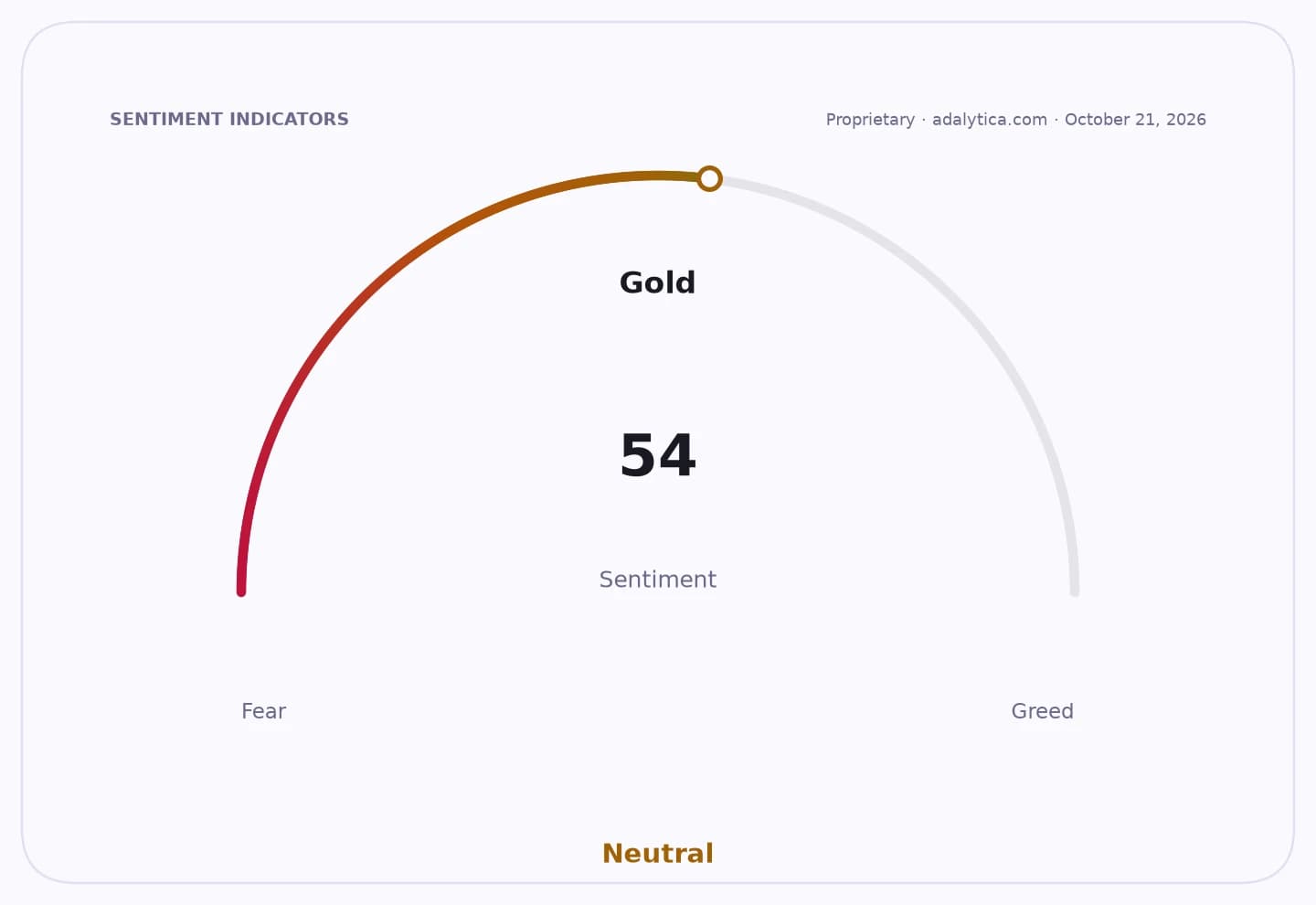
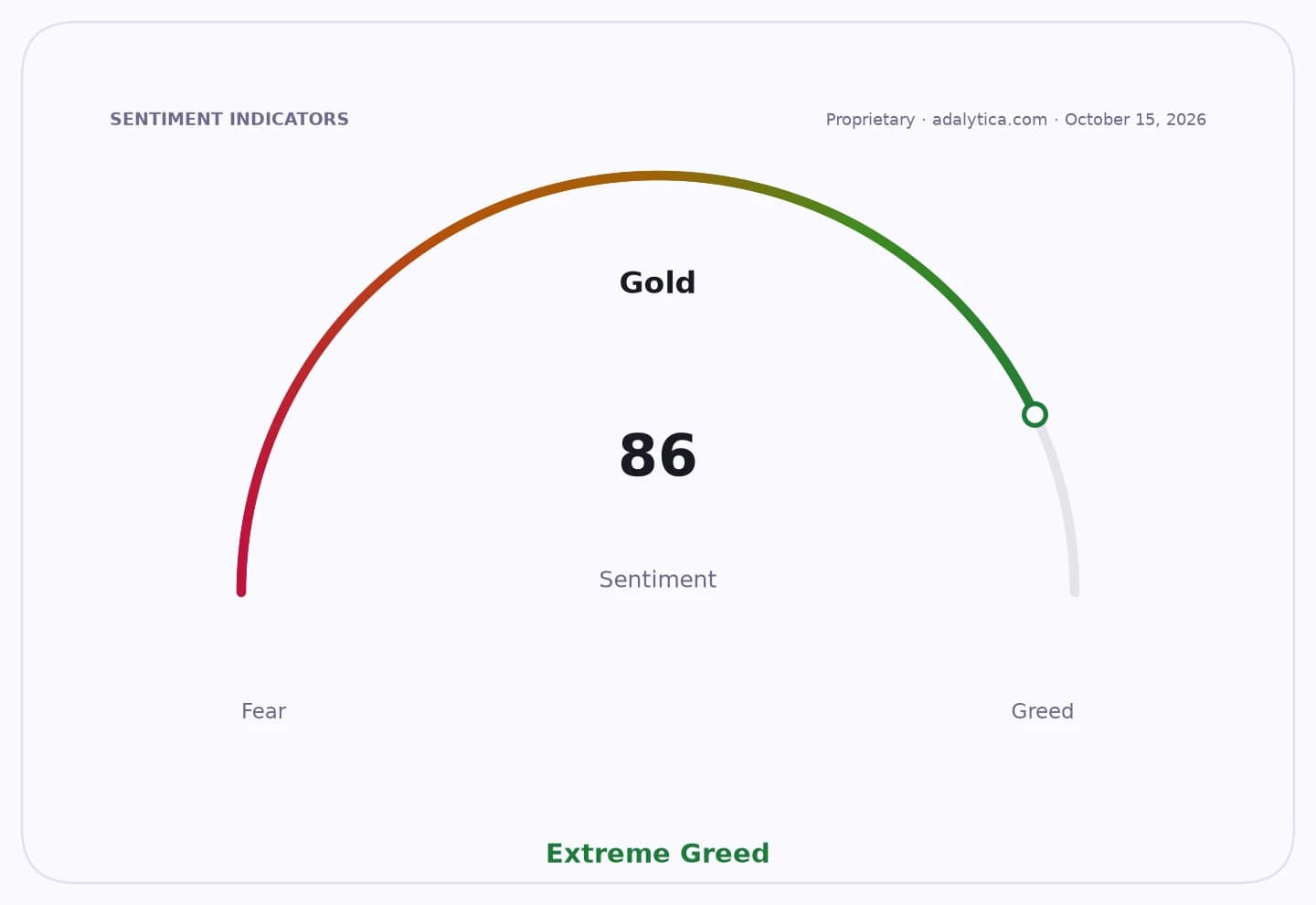
Sentiment IndicatorsⓘProprietary · adalytica.com · October 20, 2026
This is a snapshot — live sentiment, awareness and momentum for 130+ markets update continuously in the dashboard.Open AlphaPulse
The payout matters beyond the headline return because it shows why sovereign gold bonds remain a structurally important channel for Indian household savings even as spot gold and gold ETFs have become more volatile. Unlike physical bullion, SGBs offer a sovereign guarantee and a fixed interest stream, making them a hybrid between a commodity bet and a government security. For investors, that combination has been especially valuable during periods of macro uncertainty, when gold has served as a portfolio hedge against currency swings, equity market stress and inflation fears.
The timing also highlights the way gold returns are still being driven by macro forces rather than just domestic demand. Global gold prices have recently come under pressure from a firmer US dollar and higher Treasury yields, which raise the opportunity cost of holding a non-yielding asset. Yet the long run-up in gold prices over prior years meant earlier SGB tranches locked in a large embedded gain for buyers. Recent GLD price data show the gold ETF retreating from above $490 in early March to around $380, with the 50-day moving average now below the 200-day average and RSI readings well off overbought levels, a sign that gold has cooled even after a strong run.
That backdrop helps explain the appeal of the sovereign bond format. The RBI allows premature redemption after the fifth year on interest payment dates, and the redemption value is tied to the average gold price, not market sentiment. That gives retail investors a way to capture bullion upside without storage costs, making the scheme attractive for savers looking to diversify away from bank deposits and volatile equity markets.
For policymakers, the result is a reminder that gold remains a large and persistent savings preference in India. For investors, it reinforces a simple point: the best SGB vintages have offered equity-like upside with sovereign credit quality, though future returns will depend on the path of gold, the dollar and US rates from here.
| Entity | Gains | Losses |
|---|---|---|
| SGB investors | ▲192% capital gain plus coupon | ▼Missed upside only if they sold early |
| Indian households | ▲Inflation hedge and sovereign safety | ▼Lower returns on bank deposits |
| Government/RBI | ▲Higher credibility for savings channel | ▼Future issuance tied to gold-cycle appeal |
| Physical gold buyers | ▲Same bullion rally without storage costs | ▼Storage, purity and liquidity frictions |