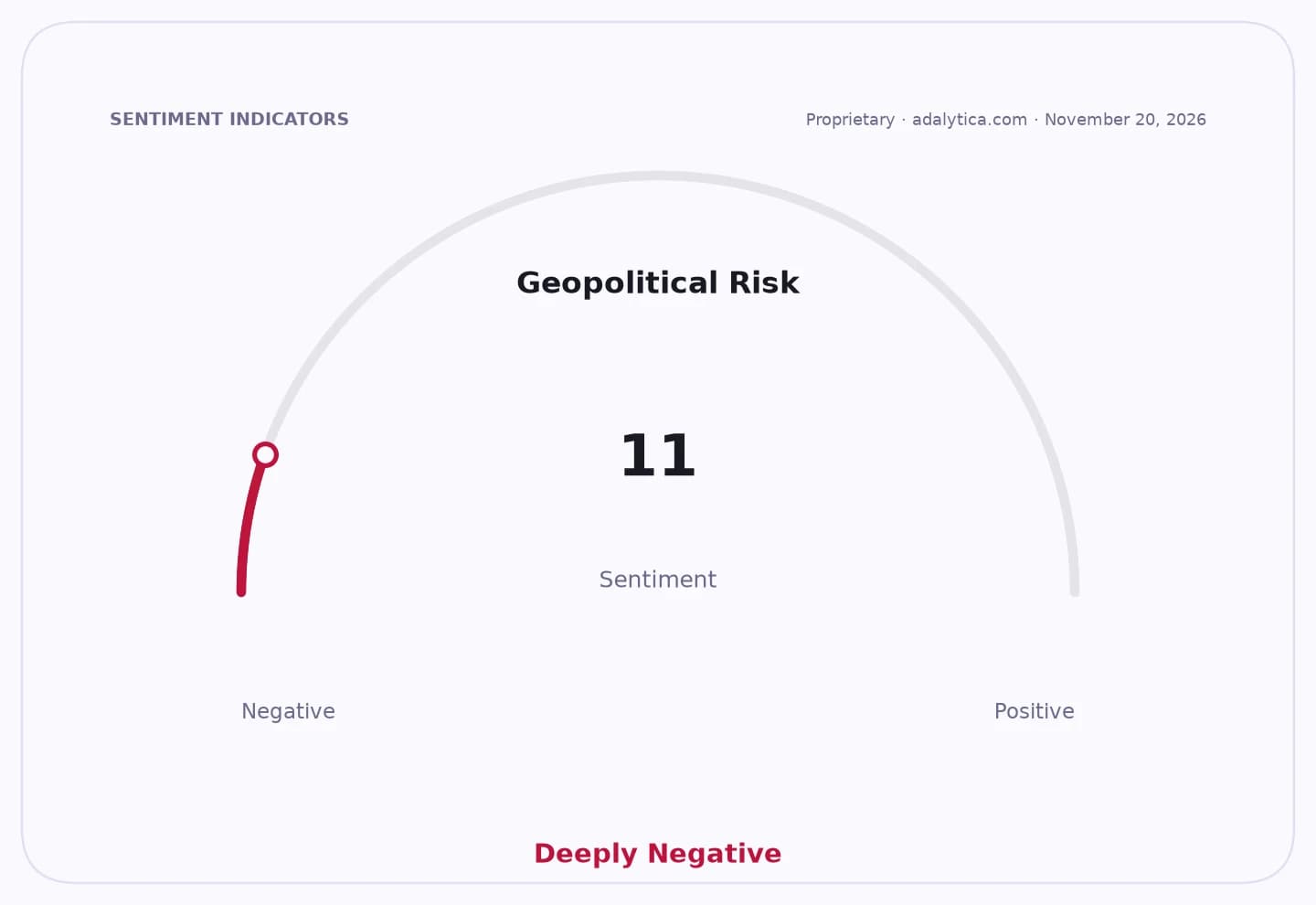
NATO is reinforcing air surveillance over Poland while Kyiv says Russia’s missile production pace has turned the war into a capacity contest that Europe cannot ignore.
NATO reinforces Poland air surveillance amid Ukraine war
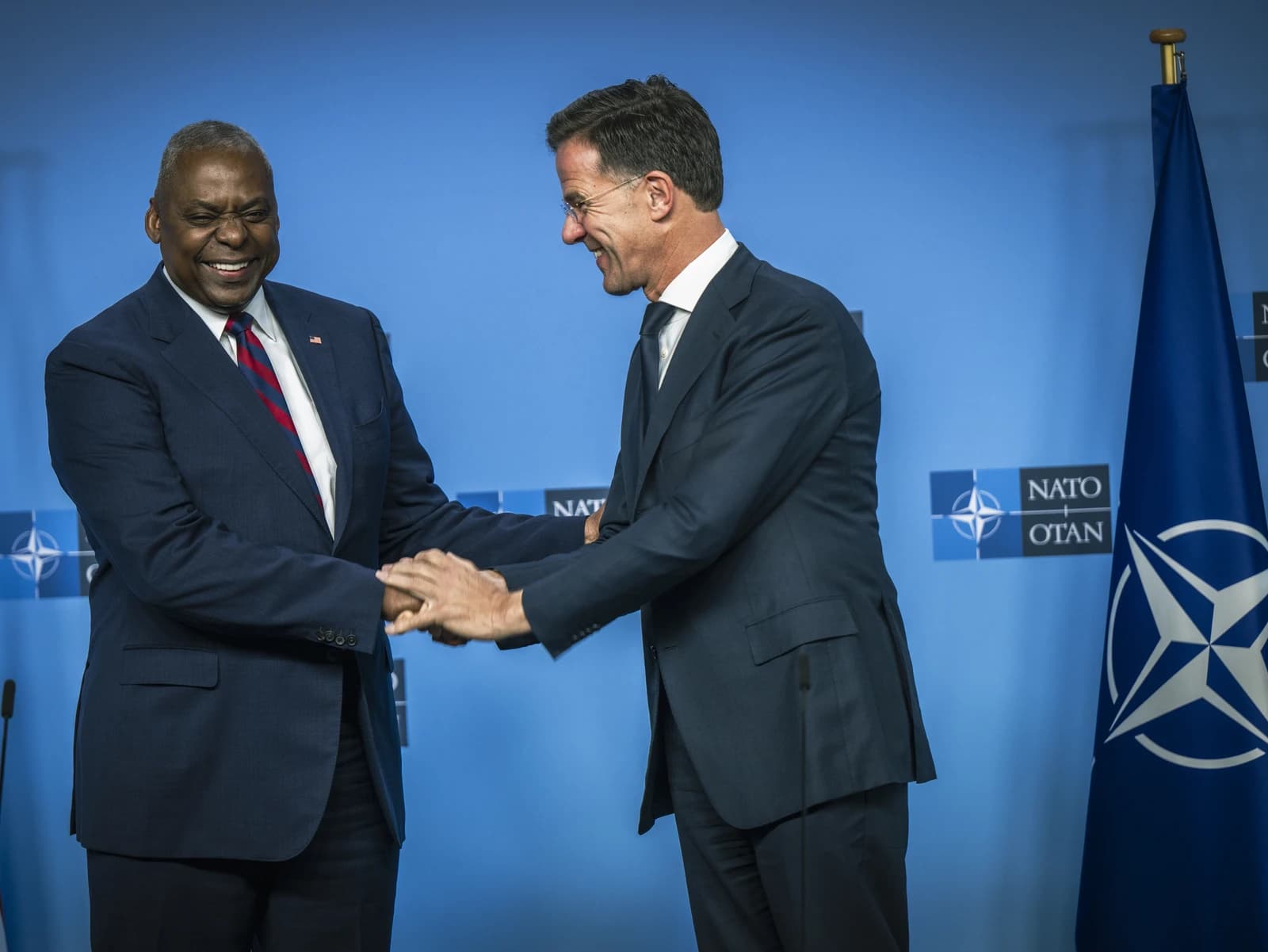
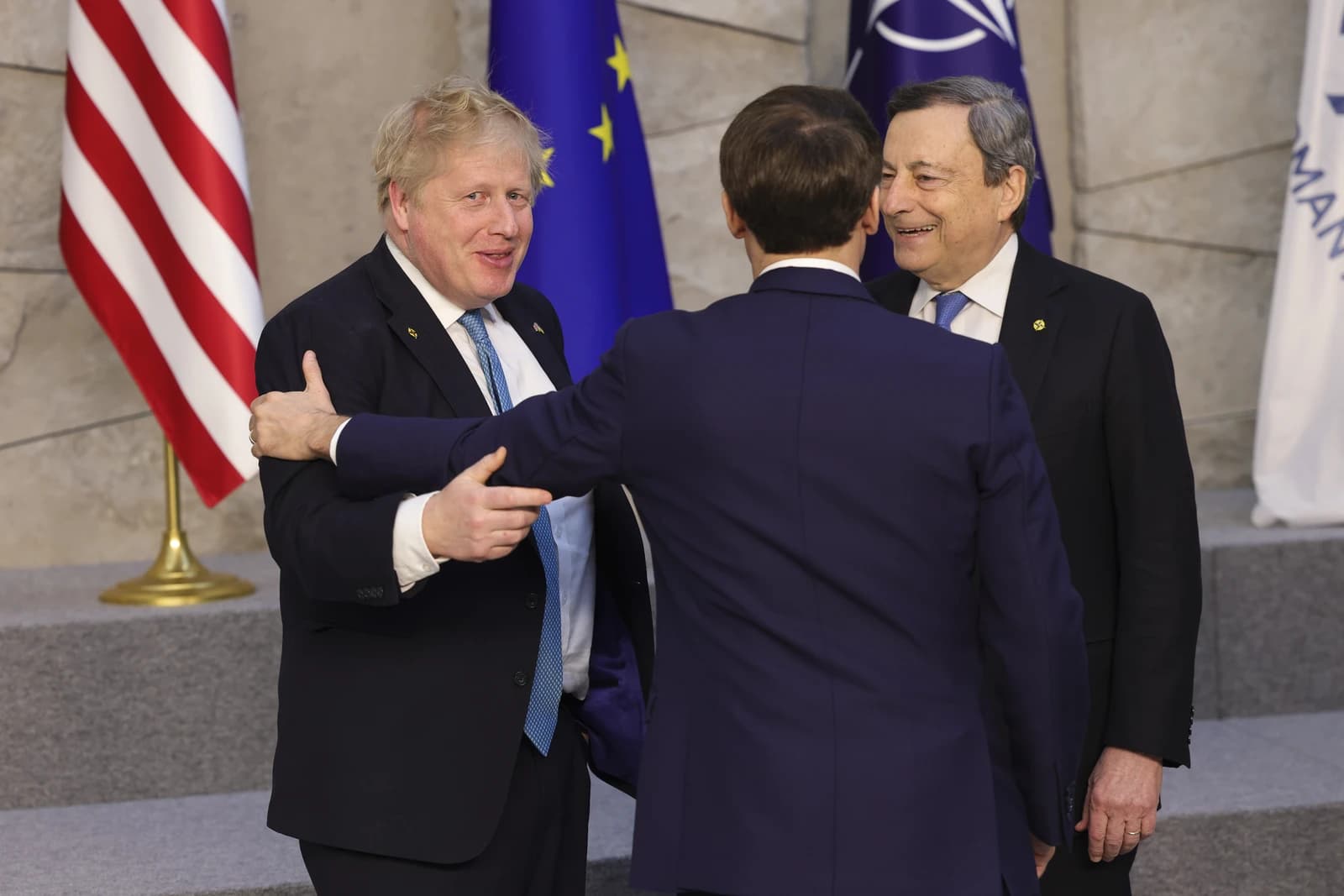
The alliance’s decision to send AWACS aircraft to Poland underscores how the conflict is spilling deeper into NATO’s eastern flank even as Moscow signals another round of talks and Volodymyr Zelenskiy warns of fresh Russian strikes. For investors, the message is less about diplomacy and more about a prolonged security shock that keeps defense spending elevated and geopolitical risk stubbornly high.
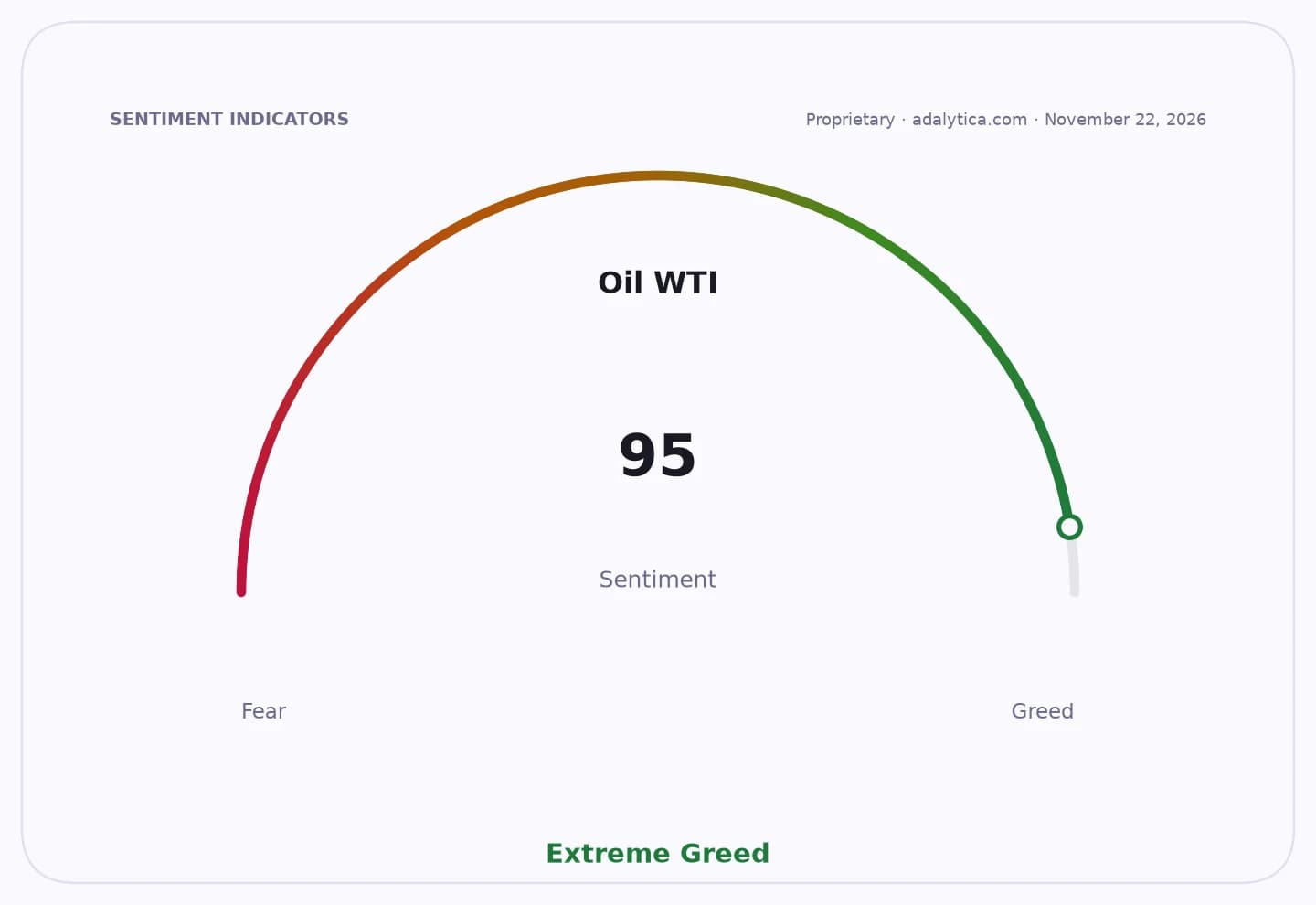
Sentiment Indicators
Kyiv’s claim that Russia can produce one ballistic missile every five hours highlights the industrial scale of the threat facing Ukraine and its backers. That production tempo means Moscow can replenish strike inventories faster than many policymakers expected, sustaining pressure on Ukraine’s air defenses and increasing demand for interceptors, surveillance systems and battlefield intelligence.
The risk backdrop is already showing up across defense markets. Lockheed Martin, Northrop Grumman and RTX remain in focus as governments lean harder on air defense, missiles and command-and-control systems, even after sharp moves in their shares over recent months.
Lockheed Martin shares ended most recently at $605.88, above both the 50-day and 200-day moving averages, while Northrop Grumman finished at $561.47 and RTX at $198.48. The technical backdrop suggests defense stocks have held up better than the broader market as investors continue to price in durable military demand.
The broader narrative is that the war is no longer just a frontline artillery and drone battle; it is an industrial race, with Russia’s missile output forcing NATO members to harden airspace and accelerate procurement. That puts pressure on Europe’s budgets and defense supply chains, but it also supports a multi-year spending cycle for prime contractors and missile makers.
The next catalyst is whether the reported talks in Abu Dhabi materialize and whether Russia follows through on any new strike wave. Until there is a credible de-escalation, the market is likely to keep treating eastern Europe as a structural tail risk rather than a short-lived event.
| Entity | Gains | Losses |
|---|---|---|
| NATO / Poland | ▲stronger air surveillance | ▼higher defense burden |
| Ukraine | ▲more allied support | ▼sustained missile threat |
| Defense contractors | ▲procurement demand | ▼valuation swings |
| Russia | ▲battlefield leverage | ▼deeper sanctions risk |