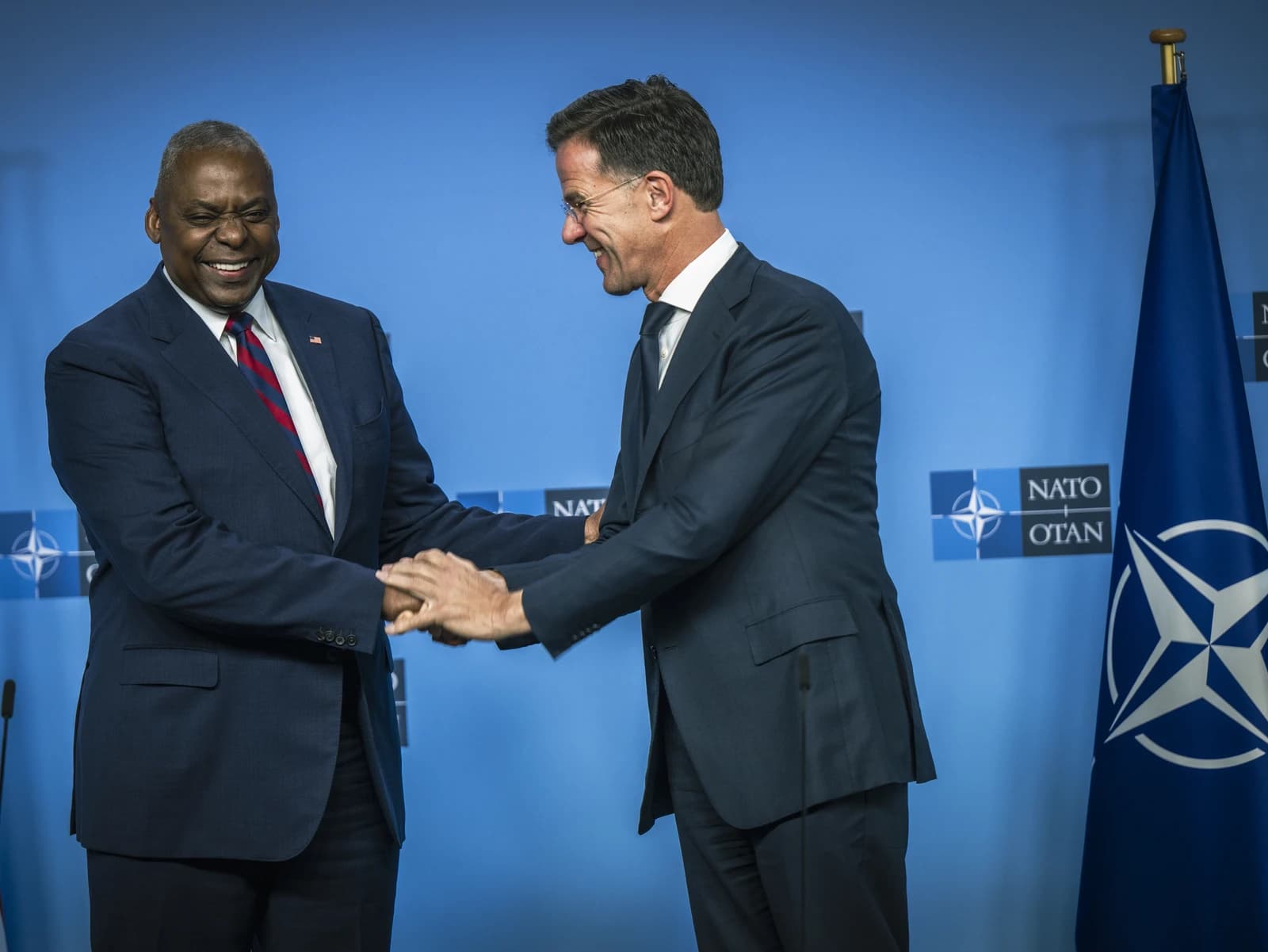
NATO Secretary-General Mark Rutte said it would be “unacceptable” for Russia to determine Europe’s security architecture, hardening the alliance’s position just as Washington and Moscow explore a possible path to ending the war in Ukraine.
NATO Rejects Russian Demands on Europe Security
The warning matters because the next phase of diplomacy is no longer just about Ukraine’s borders. It is about whether any peace formula could be tied to a broader settlement that reshapes NATO’s posture in Europe — a prospect that would affect military planning, defense spending and the credibility of the alliance’s deterrence for years.
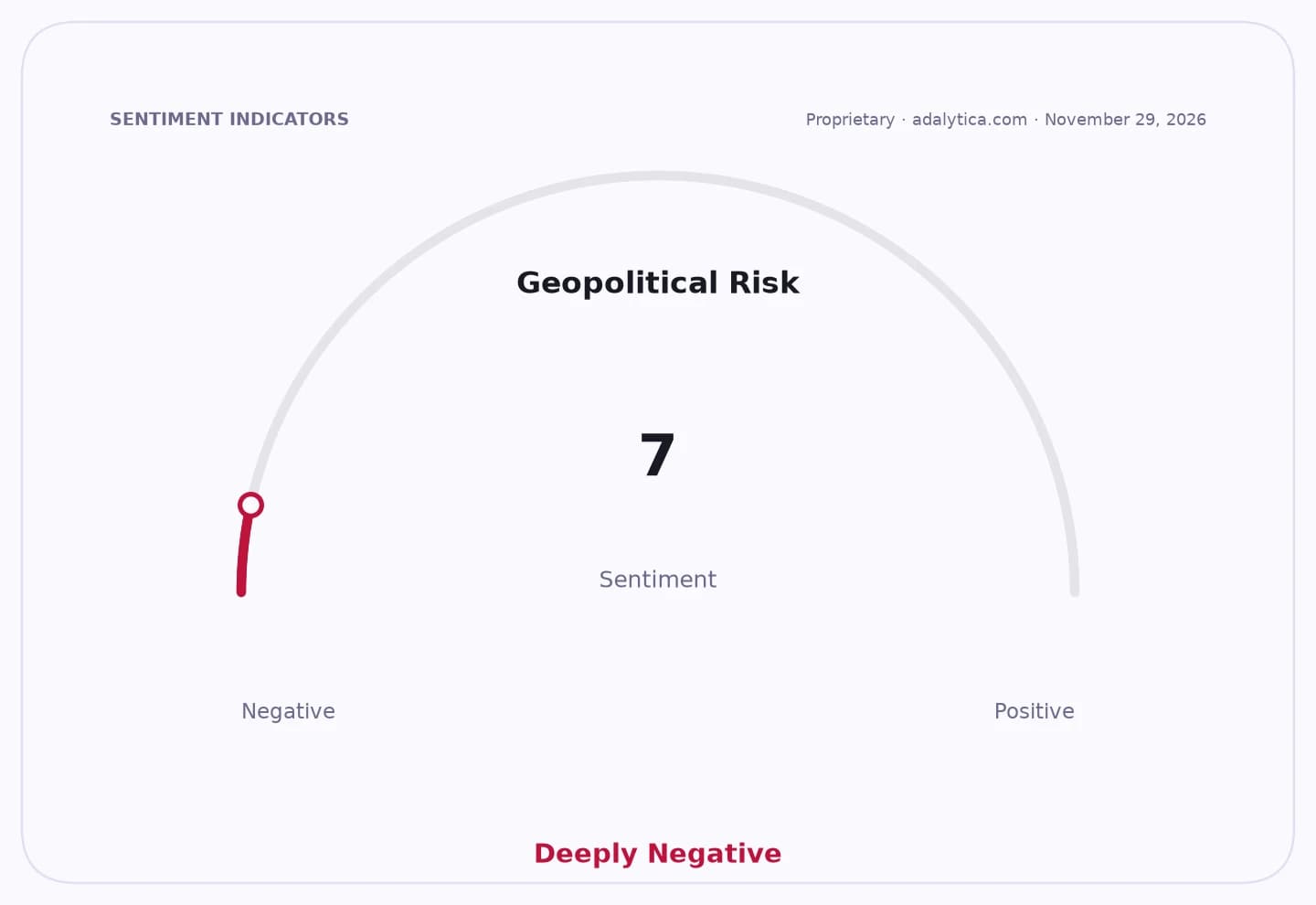
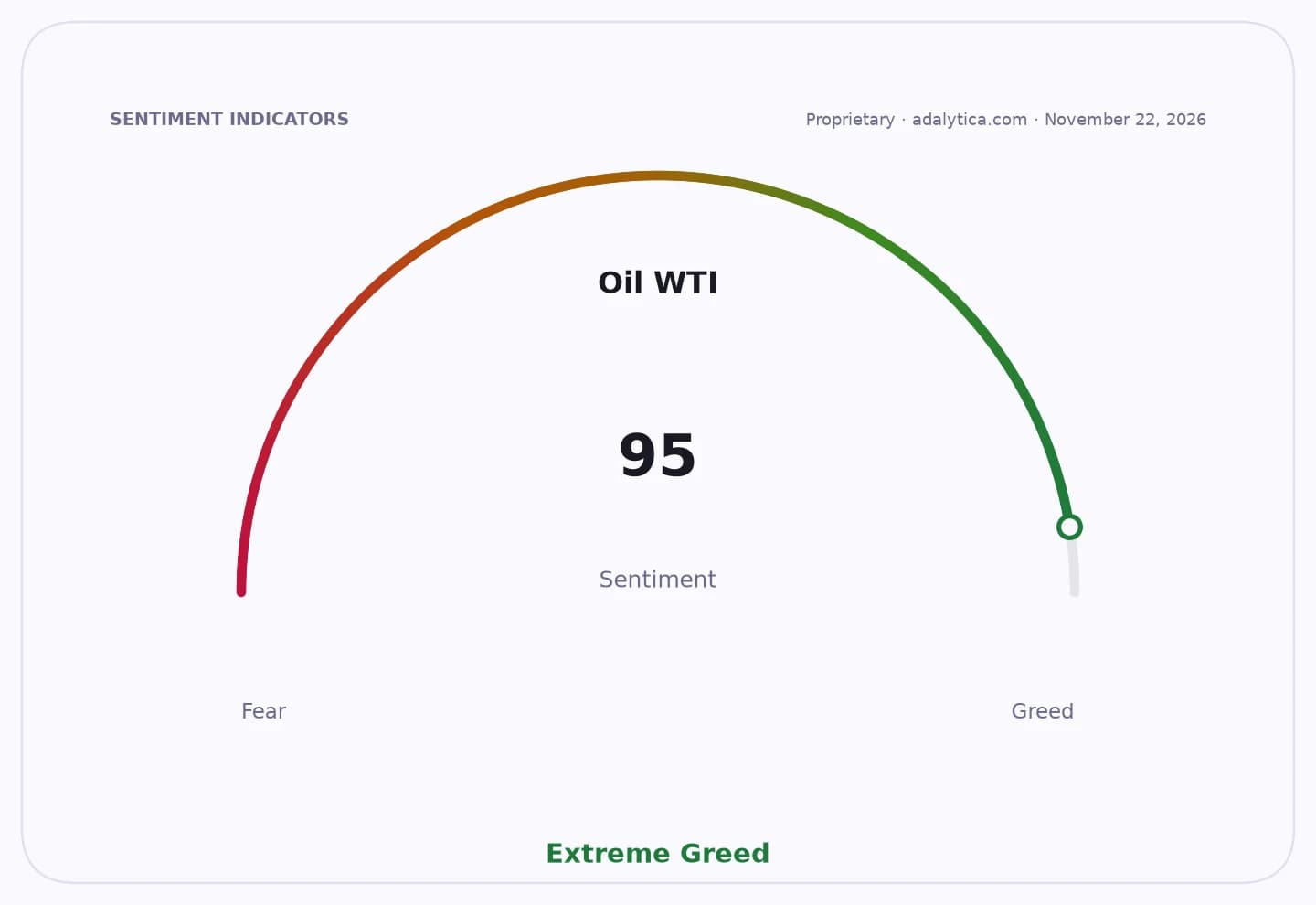
Sentiment Indicators
Rutte’s remarks in Berlin came against the backdrop of revived Russian demands that echo Moscow’s pre-invasion ultimatum in 2021: no further NATO expansion, no NATO footprint in Eastern Europe, and in effect a rollback to the alliance’s pre-1997 boundaries. That would mean major strategic reversals for Poland, the Baltic states and other members that joined after the Cold War, and would directly challenge the security guarantees that have underpinned European defense since the 1990s.
For investors, the significance is twofold. First, the prospect of a negotiated settlement remains distant if Moscow continues to seek structural changes to NATO itself rather than narrowly focused terms on Ukraine. Second, the more the standoff drags on, the more entrenched Europe’s rearmament cycle becomes. That supports defense spending, procurement and munitions demand even if headlines periodically raise hopes of diplomacy.
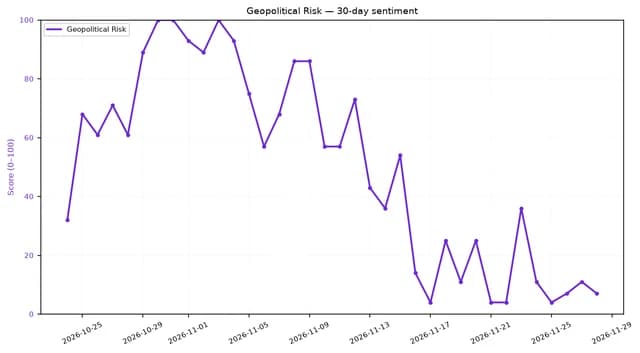
The market backdrop already reflects that tension. Shares of Northrop Grumman and Lockheed Martin have held above their 50-day moving averages, with both stocks trading near or above their 200-day levels, a sign that investors still expect elevated long-term demand for missiles, aircraft and air-defense systems. Lockheed’s recent run has been especially strong, with the stock closing at $605.88 on Friday, above both its 50-day and 200-day averages, while Northrop finished at $561.47, also above its 50-day average. In other words, equity markets are still pricing a world in which European security risks do not fade quickly.
Rutte also linked the security debate to what NATO calls Russia’s hybrid campaign — sabotage, cyberattacks and pressure on critical infrastructure including pipelines, cables and power grids. That argument is economically important because it widens the risk premium on European assets: the threat is not only military escalation but disruption to energy, communications and trade routes. The incident in Poland over the weekend, involving Russian missiles and a drone, reinforced how quickly the conflict can spill across borders and keep NATO on edge.
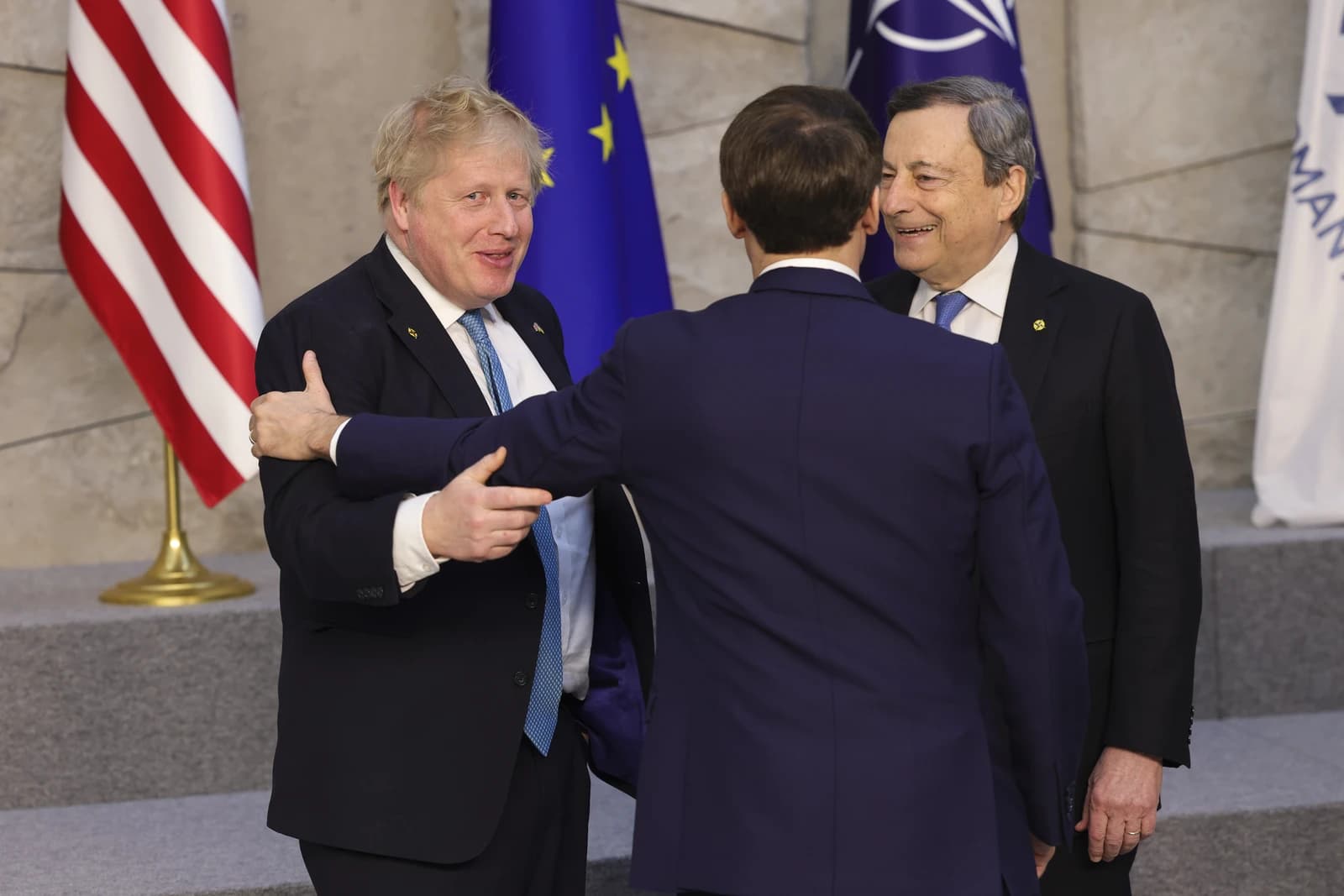
The political message from Berlin was equally clear. Rutte and German Chancellor Friedrich Merz both rejected any suggestion that Europe should be excluded from the negotiations shaping its future security order. Merz went further, saying it was a mistake not to bring Ukraine into NATO before Russia’s annexation of Crimea in 2014 — a reminder that the alliance’s enlargement question is now inseparable from the war’s origins and from the next round of deterrence planning.
There is a narrow bullish case for markets: if Washington, Moscow and European capitals eventually settle on a credible framework that reduces the risk of direct confrontation, defense stocks could still outperform on multi-year rearmament demand while geopolitical volatility eases. The bear case is that any deal built on Russian veto power over NATO would fracture allied unity, keep military spending elevated and prolong uncertainty over energy, infrastructure and sovereign risk.
For now, the narrative is not de-escalation but red lines. NATO is signaling that any peace process that trades away alliance sovereignty is off the table, even as the diplomatic channel opens wider. That makes a swift settlement less likely, but it also strengthens the case that Europe’s security spending boom is structural, not cyclical.
| Entity | Gains | Losses |
|---|---|---|
| NATO allies in Eastern Europe | ▲Stronger deterrence posture | ▼Pressure to compromise on security guarantees |
| Defense contractors | ▲Sustained procurement demand | ▼Hope for rapid de-escalation |
| Russia | ▲Leverage in negotiations | ▼Ability to dictate NATO policy |
| European consumers and infrastructure | ▲Clearer defense commitments | ▼Higher security and disruption risk |