NATO said it would defend itself against threats in space after German media reports that Russia may be preparing to launch a satellite armed with a nuclear weapon, sharpening fears that the next front in the Russia-West confrontation could move beyond Earth’s atmosphere.
NATO Says It Will Defend Against Space Threats
The warning matters because a nuclear detonation in orbit would not be a conventional military strike. It could disable or damage multiple communications, navigation and surveillance satellites at once, creating spillover risks for military command systems, civilian infrastructure and commercial space operators. That is why European Space Agency chief Josef Aschbacher described the scenario as an “ultimate nightmare,” while Germany said the reports were being taken very seriously.
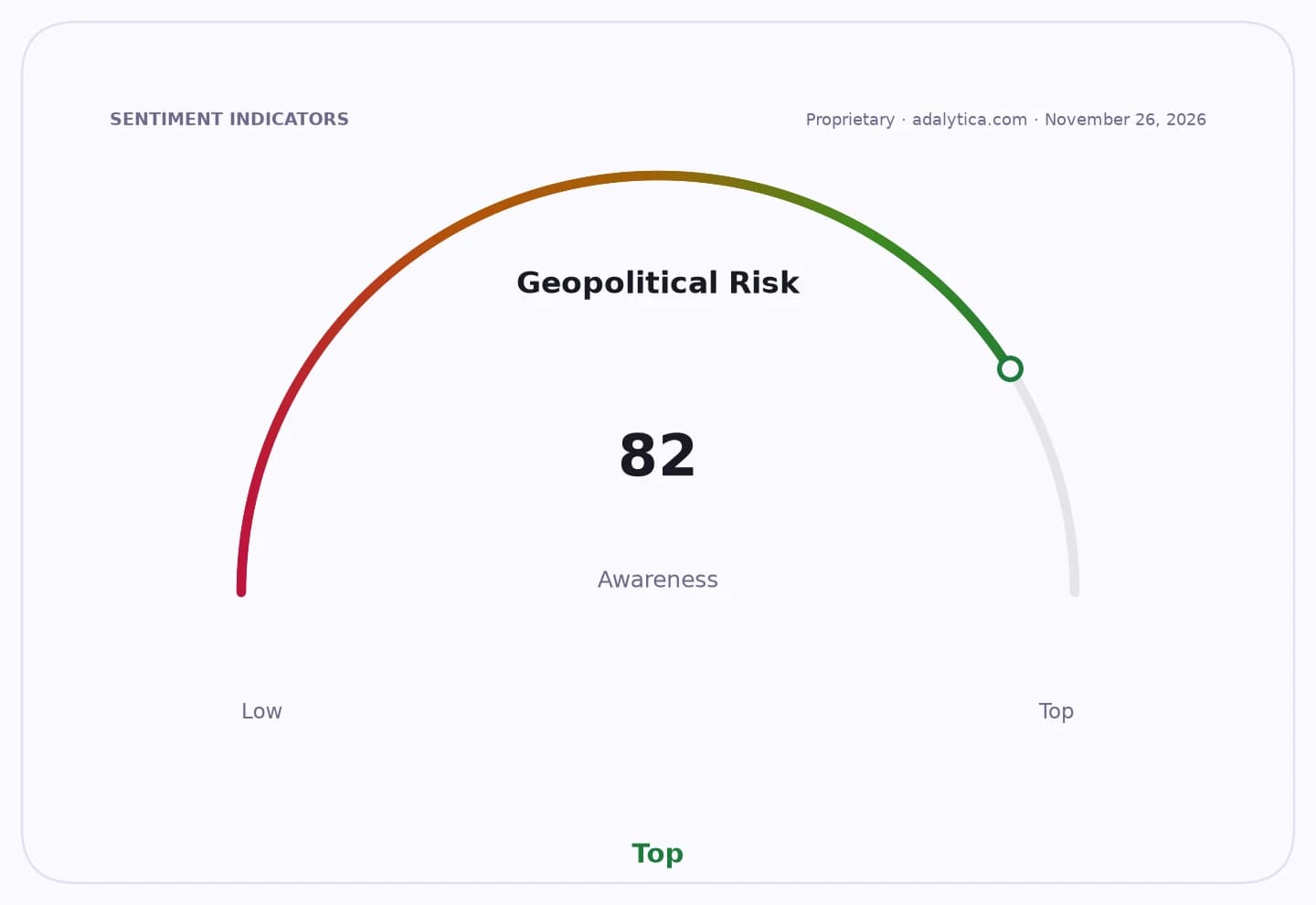
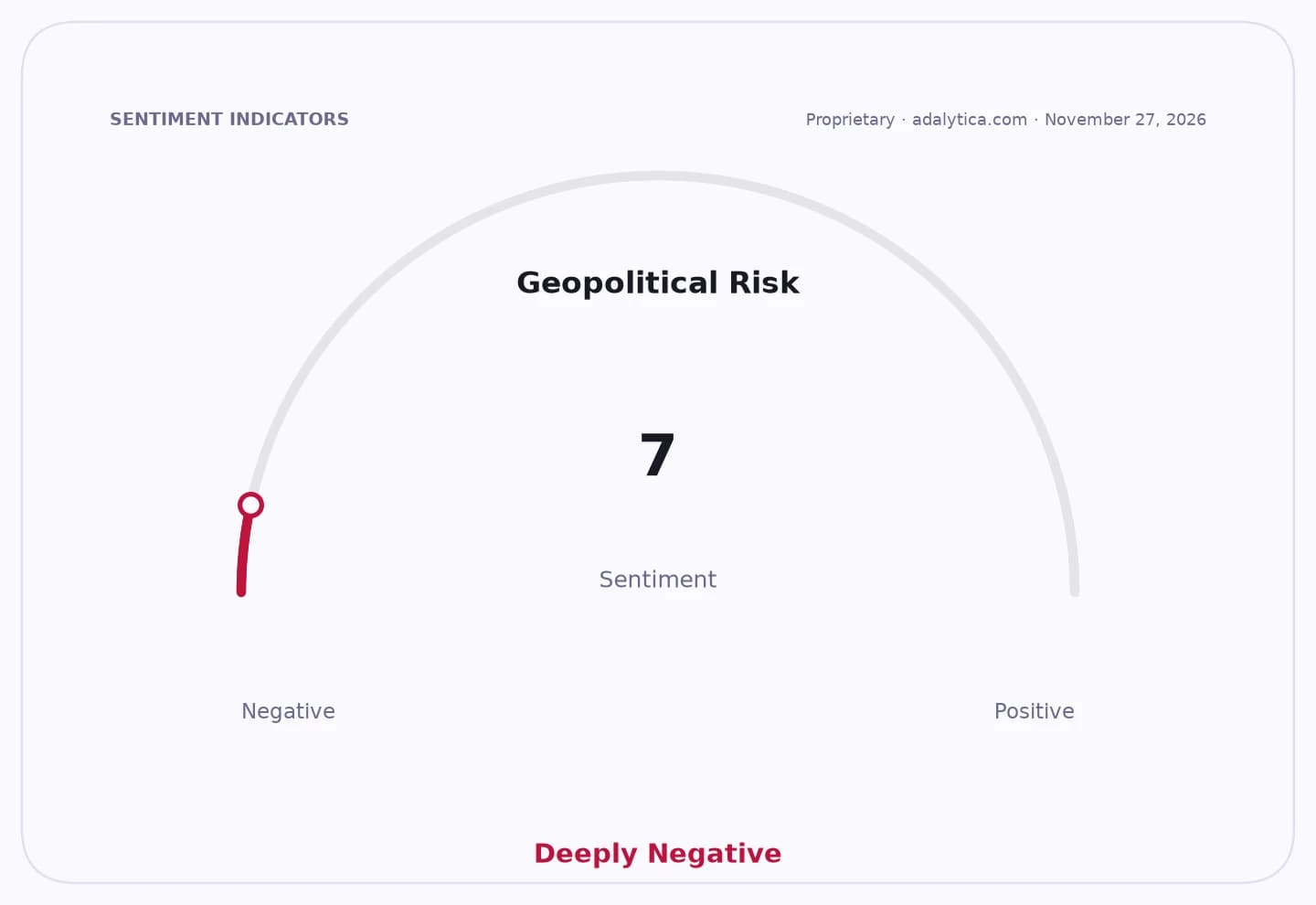
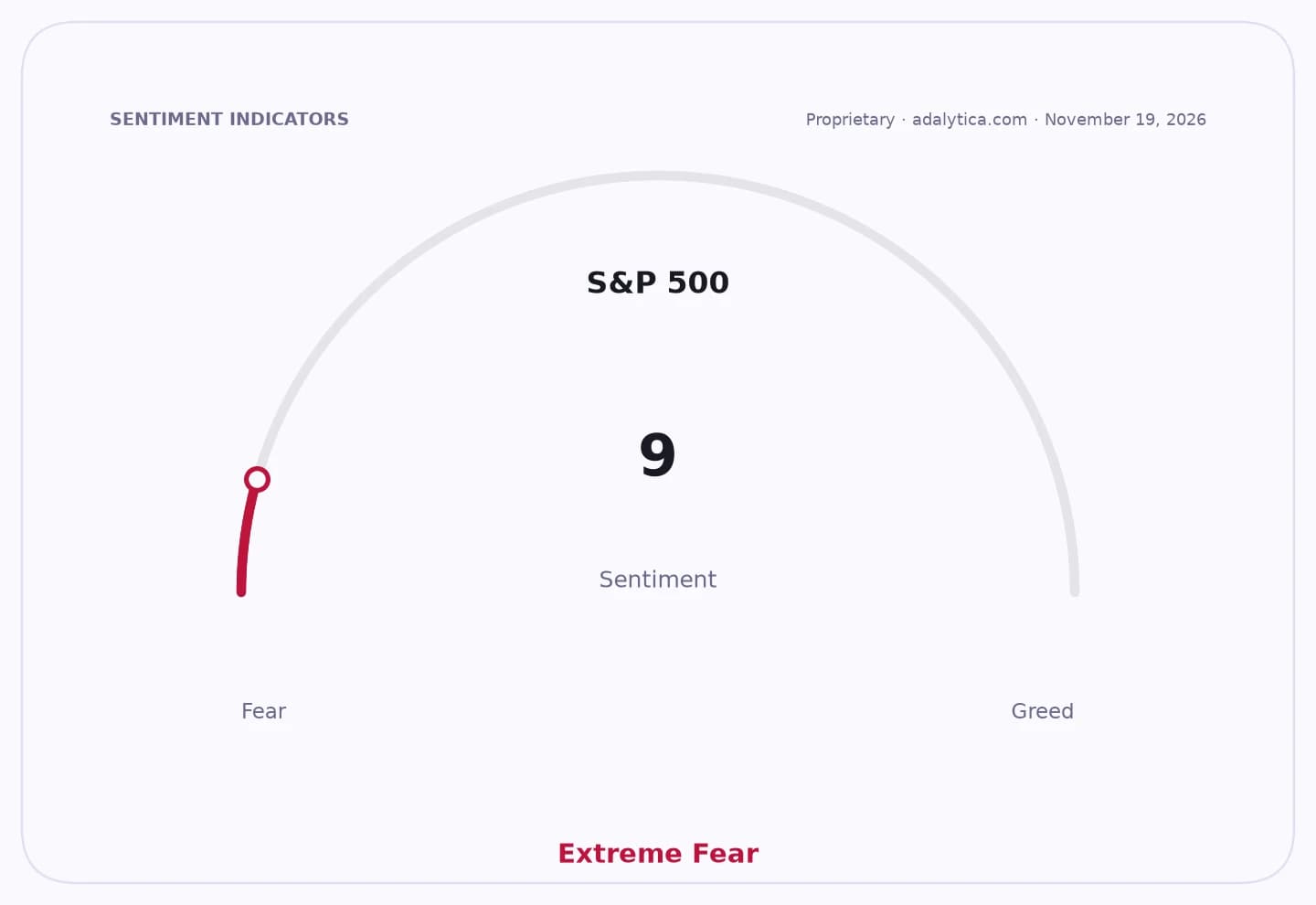
Sentiment Indicators
NATO Secretary-General Mark Rutte said in Berlin that the alliance’s security guarantees extend beyond land, air and sea and that it would ensure it could defend “every inch” of NATO territory, including space. His comments followed questions about reports that Russia could launch a satellite called Sputnik-S in coming weeks, allegedly carrying a nuclear warhead designed to destroy satellites in orbit. NATO and Moscow have not confirmed the reports.
The political significance is immediate even before any launch is verified. By putting space explicitly into NATO’s defense posture, Rutte is acknowledging that orbital assets are now central to modern deterrence and warfare. Satellites underpin everything from battlefield communications and targeting to weather forecasting, shipping routes and financial systems. Any move toward anti-satellite nuclear capability would raise the cost of escalation and accelerate pressure for new defense spending, hardened satellite architecture and redundancy across allied networks.
For investors, the story reinforces the long-running re-rating in defense and space-linked names, particularly contractors with missile defense, space systems and intelligence portfolios. Lockheed Martin, Northrop Grumman and RTX all operate at the intersection of missile defense and space security, and their shares have already reflected heightened geopolitical demand, with recent trading showing the stocks remaining above key long-term averages despite volatility. The market has also been signaling a broader bid for defense exposure as governments rearm and space becomes a more contested domain.
Lockheed, in particular, has told investors in recent filings that it has entered multi-year contracts intended to increase production of the PAC-3 MSE and THAAD programs, while noting that its space business works across “all warfighting domains.” Northrop has pointed to a heightened global security environment and growing nuclear tensions, while RTX has highlighted sanctions and export controls tied to Russia. Those disclosures underscore why a potential space-based nuclear threat could support procurement, even if the immediate market reaction remains driven by whether the reports are confirmed.
The larger narrative is that the militarization of space is moving from theory to policy. If the reports prove accurate, governments may respond with tighter arms-control efforts, anti-satellite defenses and faster deployment of resilient, distributed satellite constellations. If they are not, the episode still shows how quickly strategic ambiguity around space weapons can jolt NATO planning, elevate geopolitical risk and keep defense contractors in focus.
| Entity | Gains | Losses |
|---|---|---|
| NATO / allied governments | ▲stronger case for space defense spending | ▼higher escalation risk |
| Defense contractors | ▲more missile-defense and space contracts | ▼execution and policy uncertainty |
| Commercial satellite operators | ▲demand for resilient systems | ▼threat of orbital disruption |
| Russia | ▲strategic leverage if deterrent is credible | ▼sanctions and isolation if confirmed |