Russia is not only waging a conventional war in Ukraine but also a “cognitive” campaign against democracies across Europe and NATO, Moldovan President Maia Sandu warned in Berlin, arguing that the same playbook now threatens elections, cybersecurity and public trust far beyond the battlefield.
Moldova Warns on Russia Hybrid Warfare in Europe
That matters because hybrid warfare is no longer a theoretical concern for policymakers; it is becoming a cost of doing business for governments, militaries and investors across Europe. Sandu told the NATO Parliamentary Assembly that Moscow uses missiles, drones and artillery on one front, then disinformation, cyberattacks and election meddling on the other to shape what people fear and who they trust. For markets, that raises the odds of tougher cybersecurity spending, more border-security outlays and a longer runway for defense-related budgets across the region.
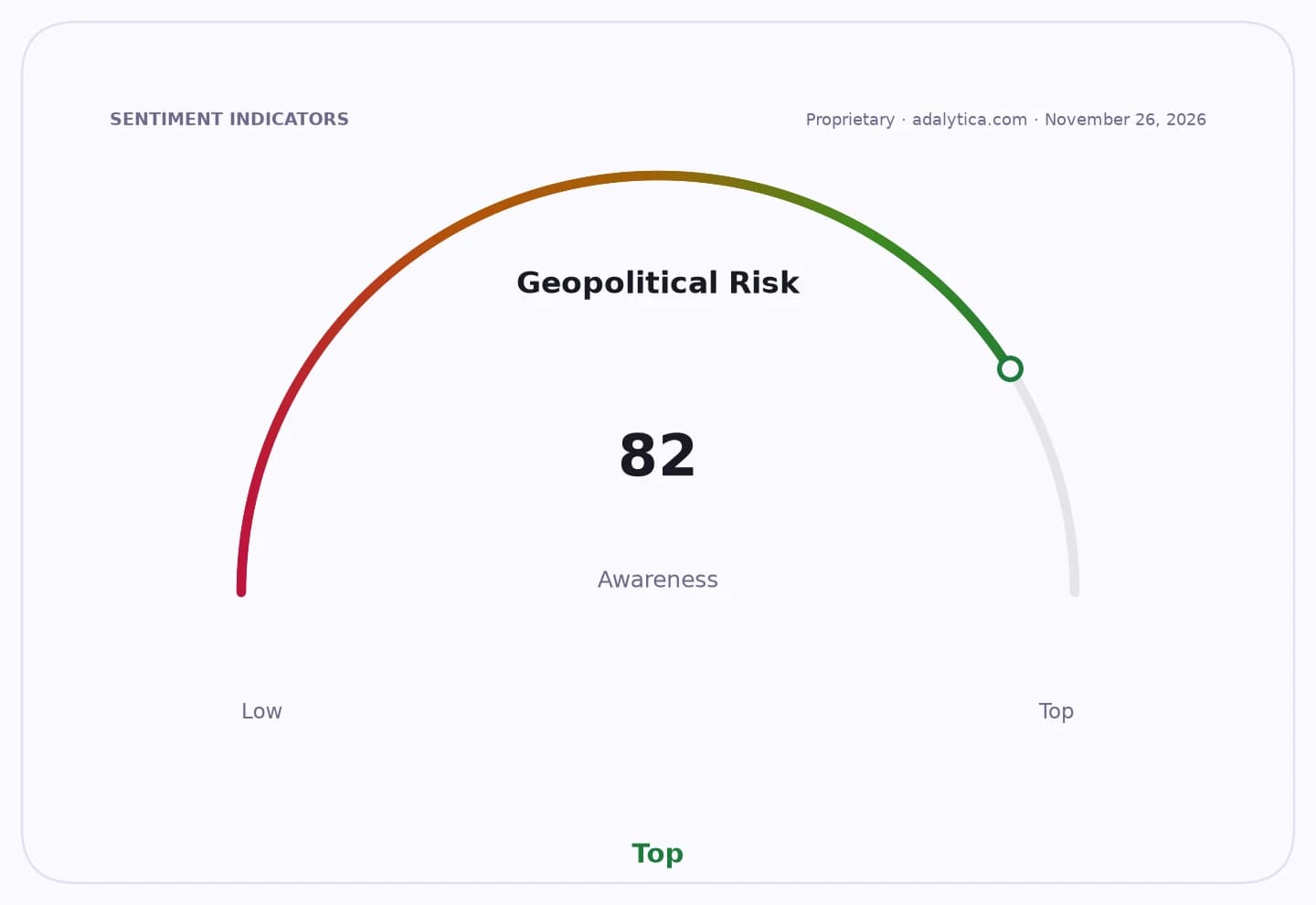
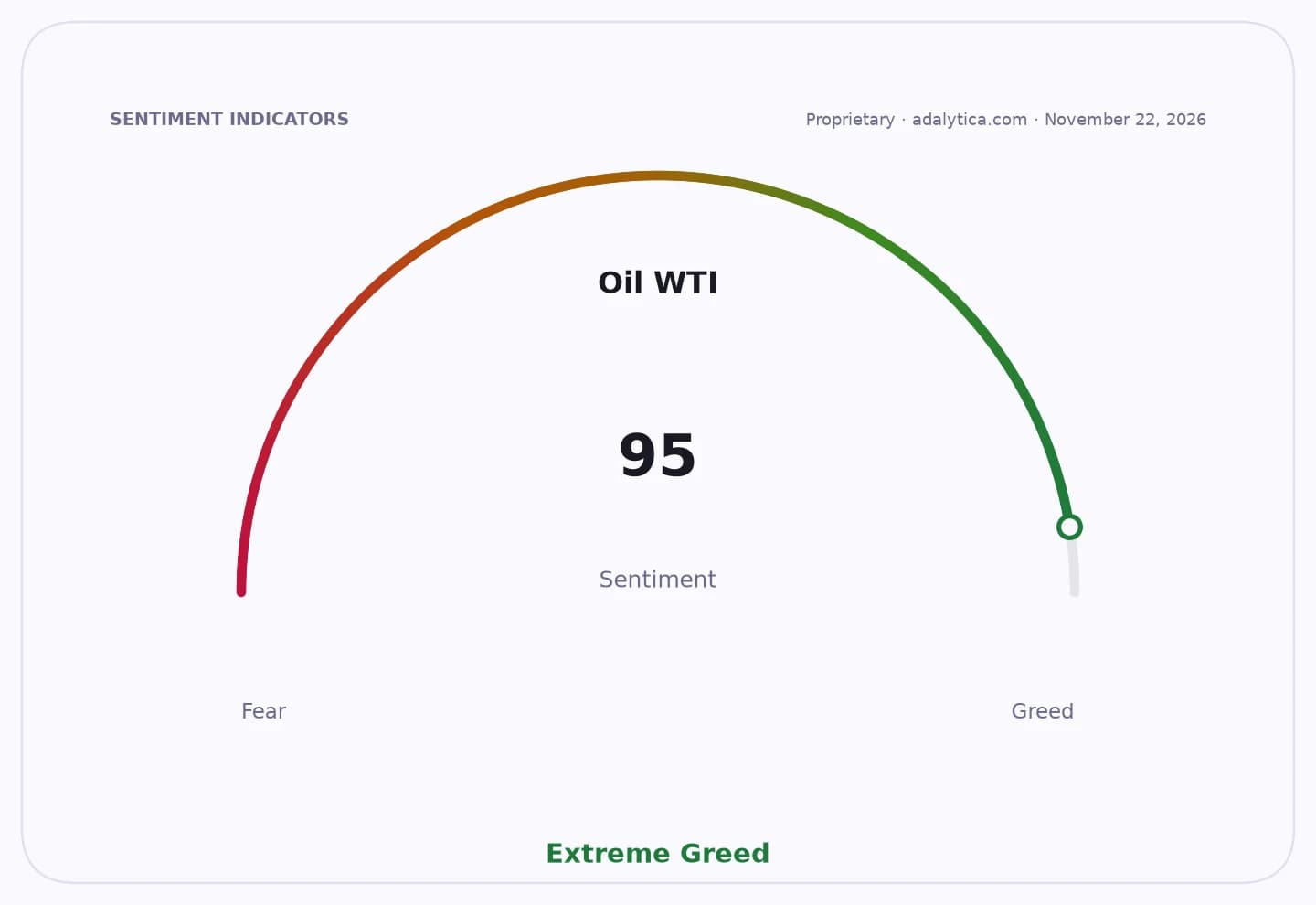
Sentiment Indicators
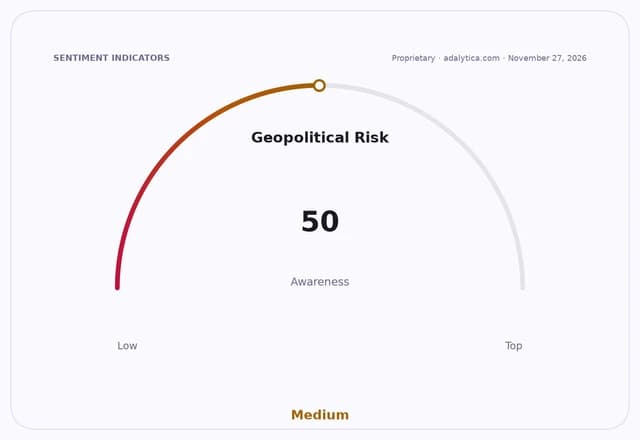
Sandu’s warning carries extra weight because Moldova has become a live case study in how this pressure works. She said Russia tried across three votes in two years to use money, lies and fear to tilt the country away from Ukraine and toward Moscow’s interests, but failed thanks to domestic resistance and support from partners. She also said Moldova recorded more than 80 drone and other aerial incidents this year, each followed by information campaigns meant to intensify public anxiety and undermine confidence in the country’s ability to defend itself.
That is the real investor takeaway: hybrid conflict broadens the set of winners and losers. Defense contractors and cybersecurity firms benefit when states conclude that deterrence now includes sensors, software and information resilience, not just tanks and missiles. At the same time, countries with weak institutions, exposed supply chains or heavy dependence on Russian energy and political influence face higher volatility, more spending pressure and a greater risk premium.
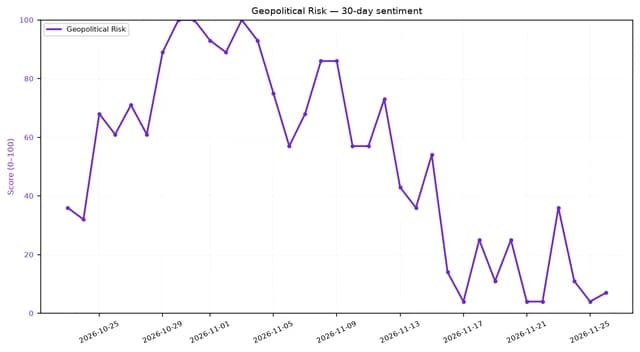
Sandu also argued that neutrality does not mean weakness, a useful reminder for investors looking at Europe’s smaller states. Countries can stay constitutionally neutral and still need better air defense, stronger cyber protection and closer intelligence cooperation. Her proposal for common standards against disinformation, tracking the money behind destabilization efforts and more active public communication points to a policy shift that could outlast the latest headline and keep feeding demand for security infrastructure.
The award Sandu received from the NATO Parliamentary Assembly underscores the political resonance of the message. For investors, the broader lesson is that Europe’s security cycle is still in its early stages. If Russia continues to pair battlefield pressure with information warfare, expect more spending on defense, resilience and digital protection — and a persistent tailwind for companies and funds tied to those themes.
| Entity | Gains | Losses |
|---|---|---|
| Defense contractors | ▲Higher security budgets | ▼None immediate |
| Cybersecurity firms | ▲Rising demand | ▼Lower urgency if tensions fade |
| Moldova and NATO allies | ▲Stronger deterrence focus | ▼Higher fiscal and security costs |
| Russia | ▲Tactical disruption | ▼Wider sanctions and resistance |