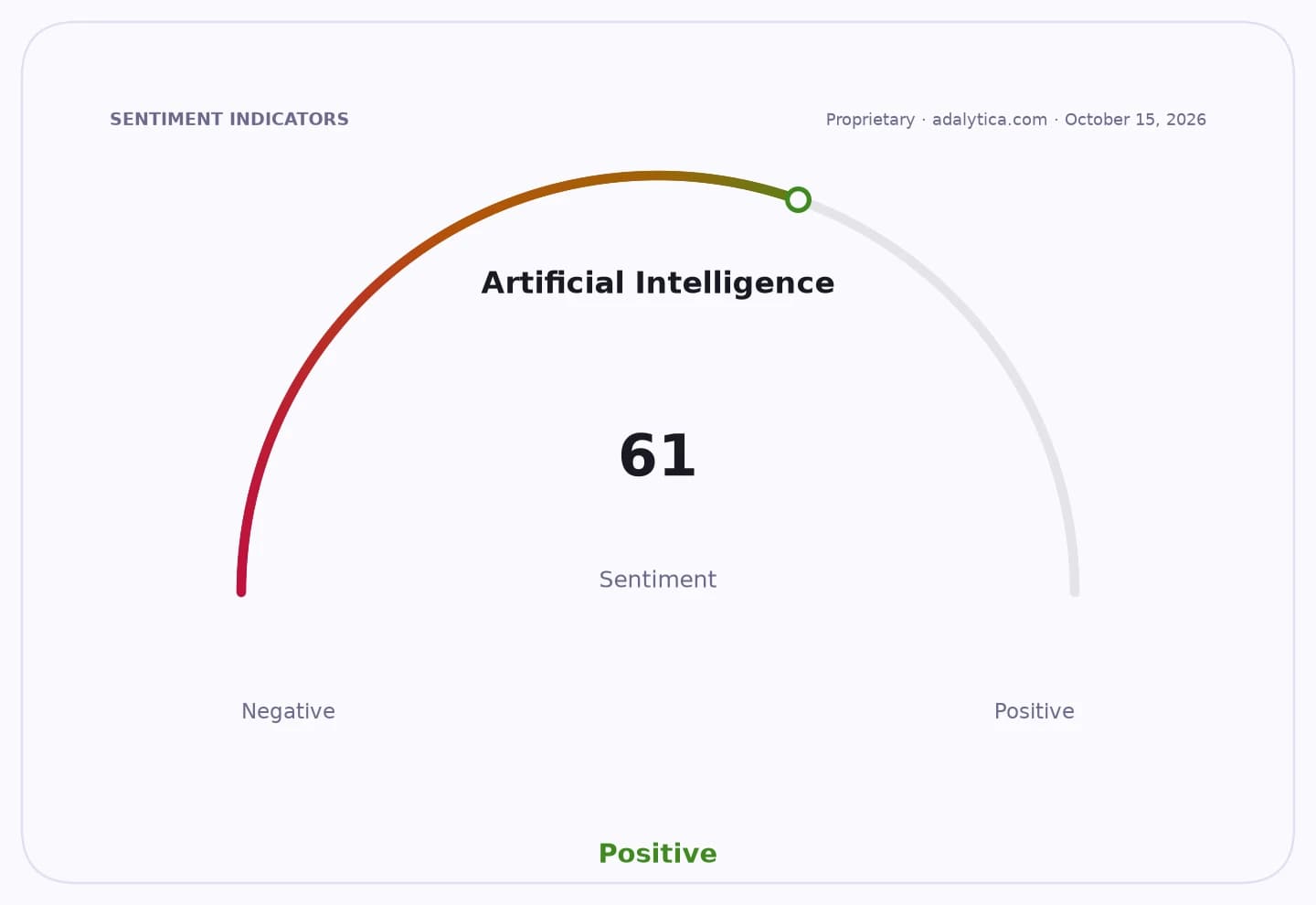
Naver is putting real capital behind its overseas AI ambitions, investing in assistant startup Instinct and music generator Suno in a move that shows the Korean internet group is no longer treating artificial intelligence as a domestic product race, but as a global platform battle.
Naver invests in Instinct and Suno

That matters because the market is underestimating how quickly AI will reshape where value accrues in search, content creation and consumer software. Naver has spent years defending its home turf against Google, Kakao and SK Telecom, but this latest deal signals a more aggressive capital-allocation strategy: use minority stakes and partnerships to gain access to frontier AI tools rather than build everything in-house.
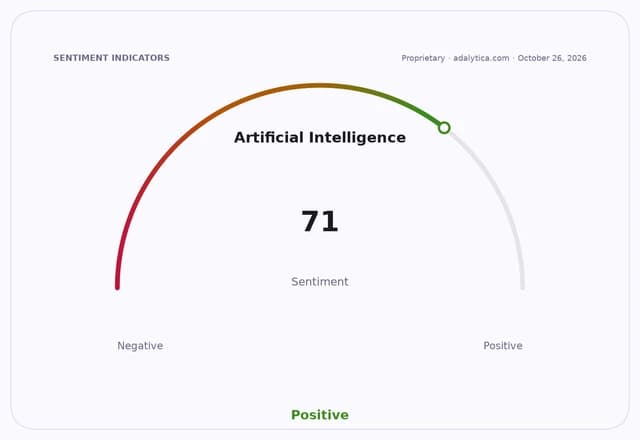
Sentiment IndicatorsⓘProprietary · adalytica.com · October 26, 2026
This is a snapshot — live sentiment, awareness and momentum for 130+ markets update continuously in the dashboard.Open AlphaPulse
For investors, the significance is twofold. First, Naver is trying to preserve relevance in a world where AI assistants can sit on top of search, commerce and productivity flows — exactly the services that drive traffic and monetization. Second, the company is broadening optionality outside Korea, where growth is mature and competitive pressure is intense. Backing Suno also ties Naver to the fast-growing generative audio and creator economy, a niche that could become a meaningful distribution and licensing layer if AI-generated media takes off.
The timing is notable. Google Maps has topped 10 million monthly users in South Korea for a third straight month, narrowing the gap with Naver Map, Kakao’s T Map and SK Telecom’s navigation services. That is a reminder that even in markets long thought to be protected by local incumbents, global platforms are steadily gaining share. Naver’s overseas AI investments look like an attempt to get ahead of that same force before it erodes more of its ecosystem.
Technically, Naver’s stock has already given back much of its earlier strength, with the share price sliding to 173,500 won from a recent peak near 280,500 won, while RSI readings around 28 suggest the stock is deeply oversold. But the larger investment case is not a short-term bounce. It is whether Naver can convert its distribution, data and local user base into an AI platform that participates in the next wave of global consumer software.
The broader message for the market is clear: this is no longer just a Korean search and portal story. It is an AI infrastructure and application story, and the winners will be the companies that secure access to the most compelling models, interfaces and creator tools before those relationships become expensive or exclusive. I believe Naver’s move is an early sign that Korean tech is preparing for a more global, capital-intensive AI competition — and that investors should start valuing it that way.
| Entity | Gains | Losses |
|---|---|---|
| Naver | ▲AI optionality | ▼Pure domestic growth narrative |
| Instinct | ▲Strategic capital | ▼Independence in go-it-alone funding |
| Suno | ▲Distribution and funding | ▼Standalone bargaining leverage |
| Google Maps / global rivals | ▲User share in Korea | ▼Local incumbents’ moat |