Klaviyo’s surge back above $21 is reviving a simple but important idea: Big Tech may still be willing to pay up for the software layer that sits closest to consumer spending data, and that makes KVYO one of the market’s most interesting takeover candidates.
Klaviyo Rises on Takeover Speculation

The stock jumped to $21.11 on Oct. 23 after closing as low as $15.88 in February, a rebound that has been helped by a broader re-rating in software and by renewed enthusiasm around artificial intelligence. With the shares now trading above both the 50-day and 200-day moving averages and the relative strength index deep into overbought territory, the market is no longer pricing Klaviyo as a broken growth story. It is pricing a platform with strategic value.
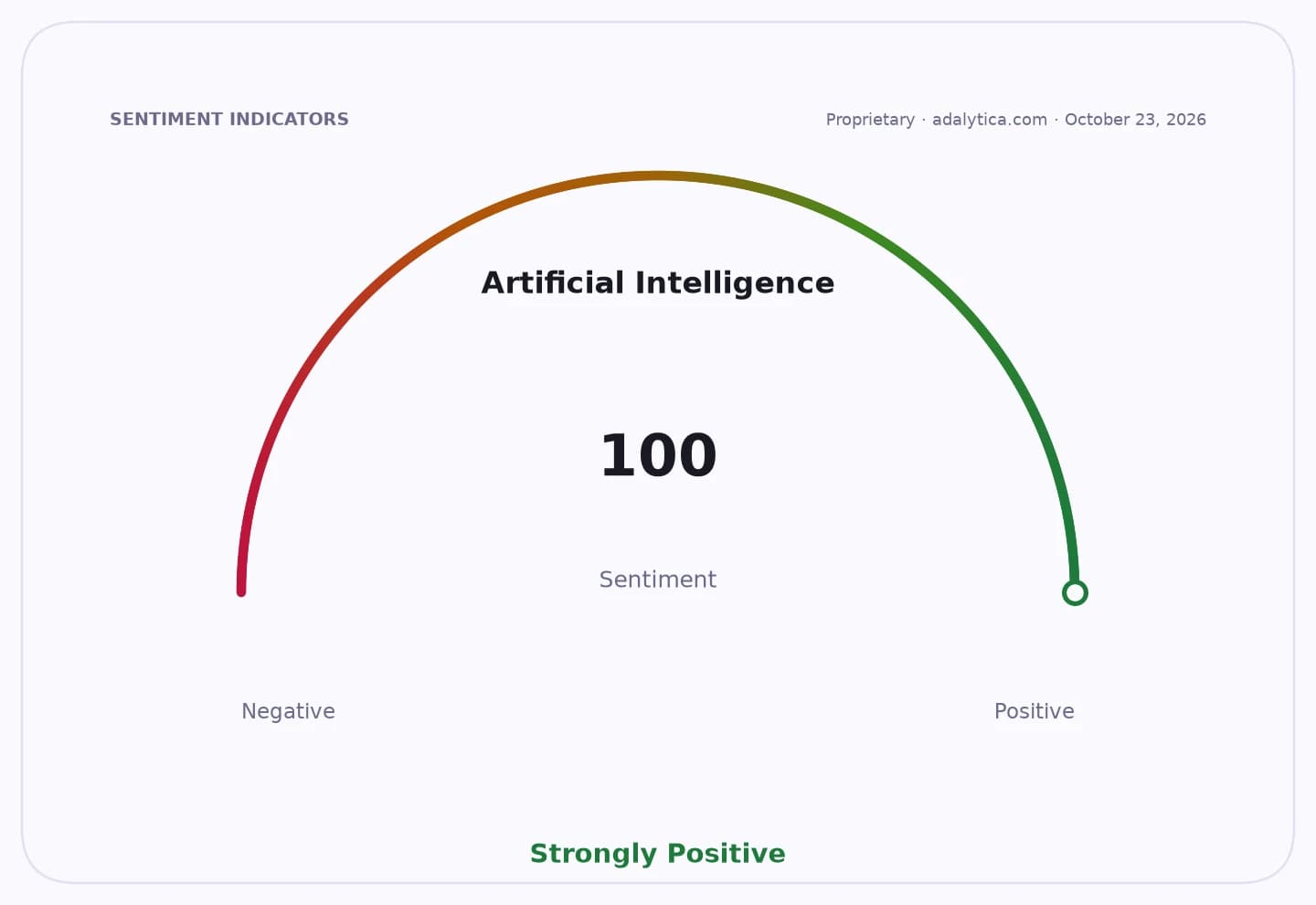
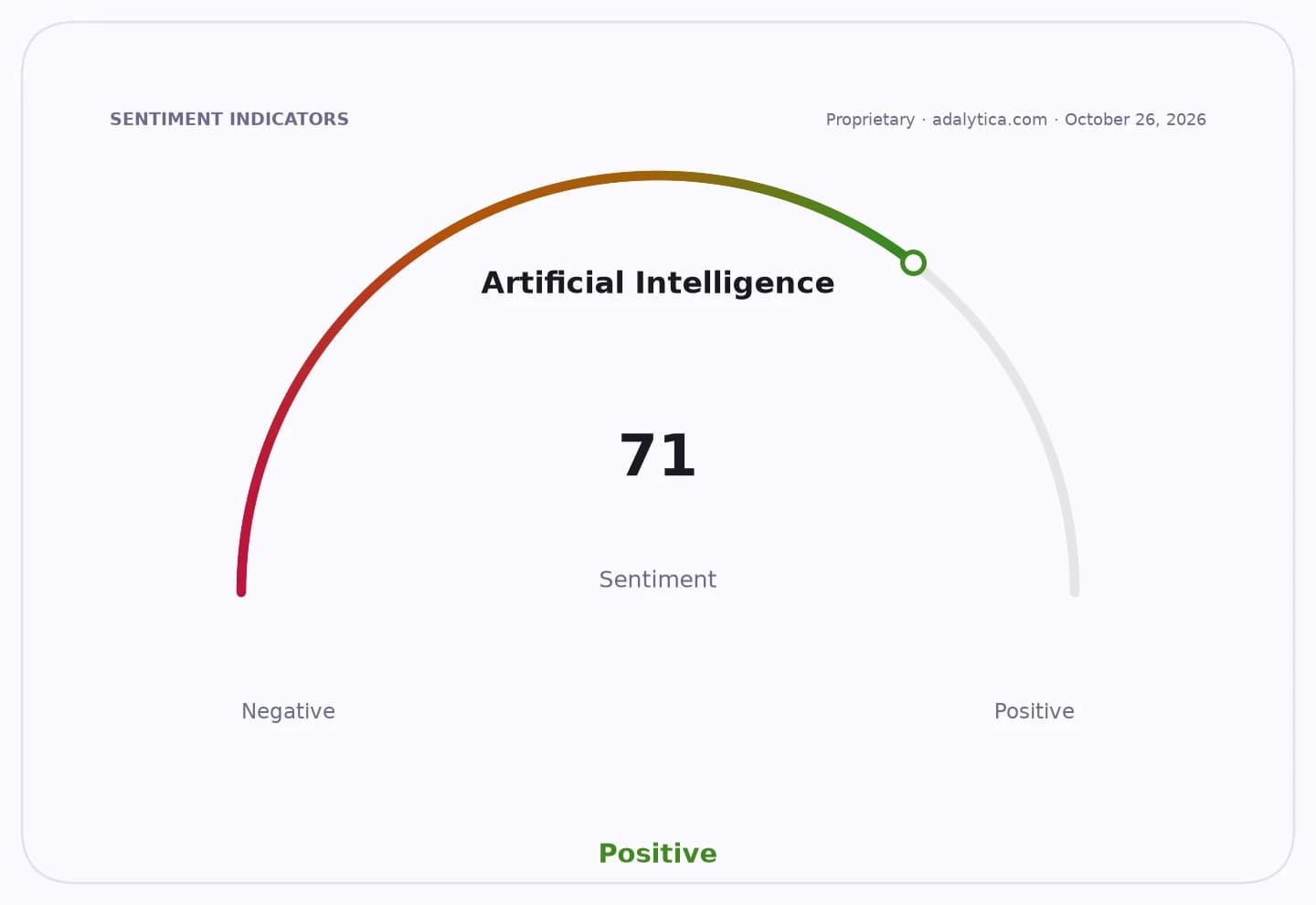
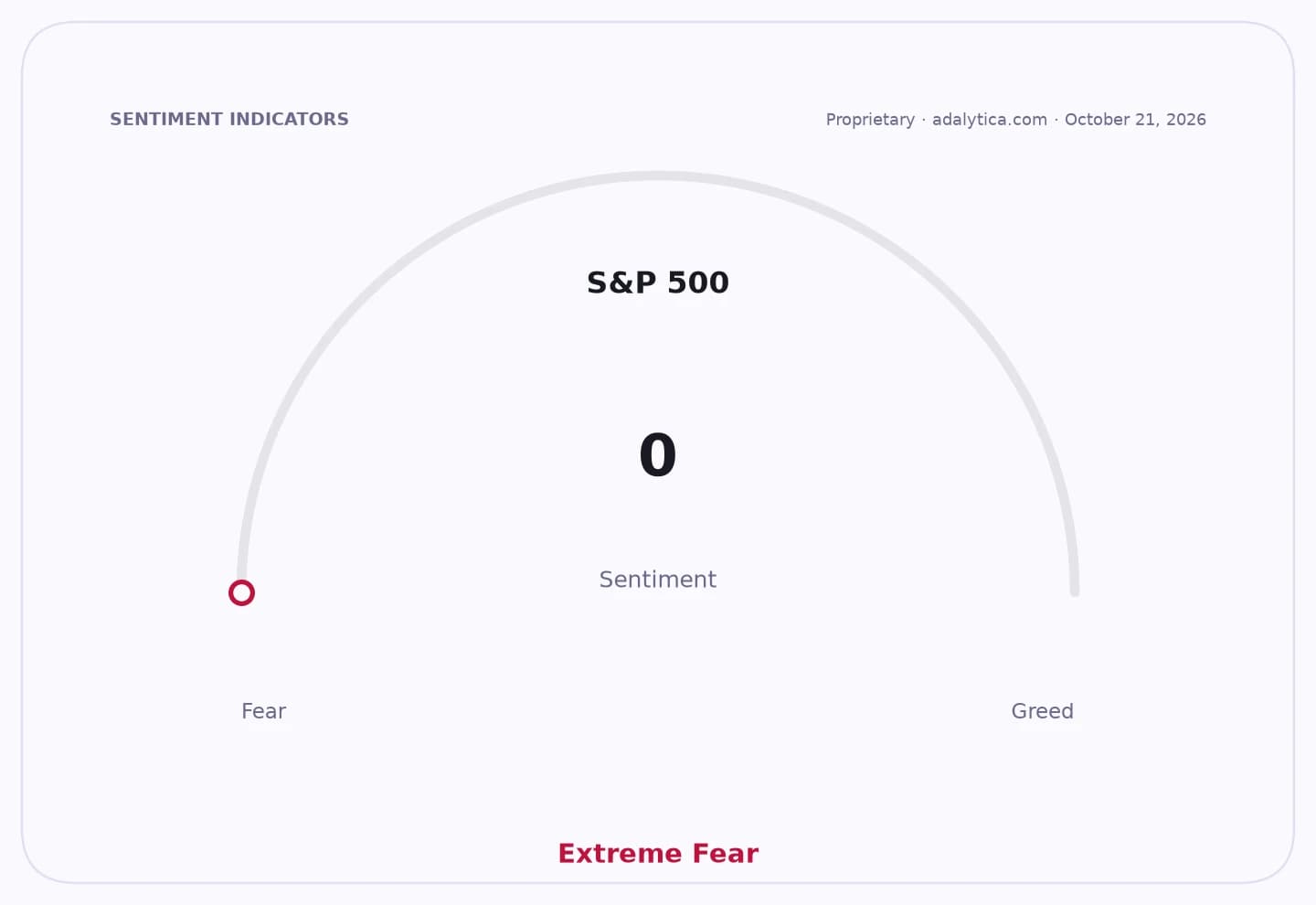
Sentiment IndicatorsⓘProprietary · adalytica.com · October 25, 2026
This is a snapshot — live sentiment, awareness and momentum for 130+ markets update continuously in the dashboard.Open AlphaPulse
That matters because Klaviyo is not just another marketing software name. Its core pitch is ownership of customer data and direct relationships with merchants — exactly the kind of asset that large platforms want as they try to turn AI into more than a chatbot feature. Klaviyo’s own filings say its customers are moving up-market into mid-sized and larger enterprises, and that the company is benefiting from broader interest from similarly sized businesses. In other words, the addressable market is expanding just as strategic buyers are looking harder at software that can sit between commerce, data and automation.
The comparison that keeps resurfacing is Braze, which remains the cleanest public precedent for a premium software acquisition tied to customer engagement and first-party data. Investors have learned that the value of these businesses is not only in current revenue, but in how strategically hard they are to replace. For hyperscalers and enterprise software giants, buying a customer-data platform can be faster than building one, particularly when AI agents and personalized marketing are becoming central to the next phase of software spending.
That is where Klaviyo becomes more than a momentum trade. At roughly $21 a share, the company’s equity value is still manageable for the biggest cash-rich buyers in software and cloud. Microsoft’s own earnings sentiment is sitting at “Extreme Greed” in Adalytica’s snapshot, reflecting how strongly investors are leaning into the AI capex cycle. That makes strategic M&A more plausible, not less: when the market rewards scale, platforms with distribution and data assets become more valuable as bolt-ons.
The technical setup reinforces the narrative. Klaviyo’s RSI has climbed to 78, while MACD momentum remains positive and the stock is pressing the upper end of its Bollinger band. That does not prove a deal is coming, but it does show investors are starting to pay for optionality again. In a market where AI infrastructure and software consolidation are driving capital flows, names with proprietary customer relationships and enterprise upside tend to get bid first.
The investment takeaway is straightforward: Klaviyo looks increasingly like a strategic asset, not just a standalone software company. If Big Tech wants more control over commerce data and AI-powered customer engagement, KVYO is the kind of target that can command a premium long before fundamentals fully catch up. For investors, that keeps the stock in play as both a growth story and a takeover trade.
| Entity | Gains | Losses |
|---|---|---|
| Klaviyo shareholders | ▲takeover premium potential | ▼standalone valuation risk |
| Big Tech buyers | ▲faster AI data expansion | ▼higher acquisition cost |
| Competitors in martech | ▲tougher M&A landscape | ▼lose strategic scarcity premium |
| Short sellers | ▲squeeze risk | ▼momentum-driven upside remains |