CNN is partnering with Google on a multi-year deal to supply content for AI products, a move that ties one of the world’s biggest news organizations to the platform company racing to monetize generative AI while managing the costs of training and licensing information.
Alphabet and CNN Strike AI Content Deal

The agreement matters because AI chatbots and search tools need fresh, trusted content to stay useful, and publishers want paid access to their archives and live reporting instead of seeing their work scraped for free. For Google, which has made AI a central pillar of its product strategy, the deal helps widen its pool of licensed content as it pushes AI features deeper into search and consumer products.
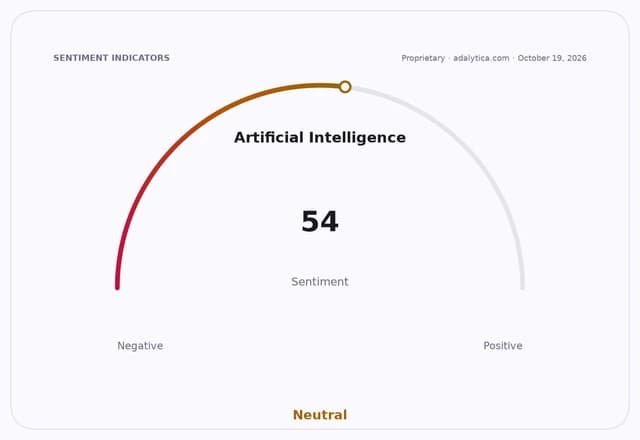
Sentiment IndicatorsⓘProprietary · adalytica.com · October 19, 2026
This is a snapshot — live sentiment, awareness and momentum for 130+ markets update continuously in the dashboard.Open AlphaPulse
For CNN parent Warner Bros. Discovery, the arrangement offers another path to extract value from journalism at a time when media companies are trying to defend traffic, subscriptions and ad revenue against AI-powered summaries that can keep users inside Google’s ecosystem. It also adds to the growing list of licensing pacts between media groups and AI developers, suggesting the industry is moving from confrontation toward negotiated access.
Alphabet shares were little changed at $346.03 in the latest session, with the stock sitting just above its 50-day and 200-day moving averages. Technical readings were mixed, with RSI at 55 and MACD still positive but below its signal line, pointing to a stock that remains supported but is not in a strong momentum breakout.

The deal lands as investors continue to weigh whether AI partnerships will become a durable new revenue stream for publishers or simply reinforce the dominance of the biggest tech platforms. The next catalyst is likely to be whether more major media owners strike similar licensing agreements and whether Google can turn those content rights into a material product and revenue advantage.
| Entity | Gains | Losses |
|---|---|---|
| CNN / Warner Bros. Discovery | ▲licensing revenue | ▼some traffic dependence |
| Google / Alphabet | ▲richer AI content supply | ▼higher content costs |
| Other publishers | ▲pricing precedent | ▼weaker bargaining leverage |
| Users / advertisers | ▲better AI answers | ▼more closed content ecosystems |