The New York Times, The Economist and Agence France-Presse have joined a growing copyright coalition pushing AI companies to pay for news content, sharpening a fight that could reshape how journalism is monetized in the age of ChatGPT.
NYT Joins SPUR Copyright Coalition on AI Licensing
The group, SPUR, says its membership has now doubled since the coalition launched in February, adding more than a dozen media groups and publisher associations as it seeks to help members track use of their content, flag unauthorized copying and negotiate commercial deals with AI developers. That matters because publishers are trying to turn legal leverage into recurring licensing revenue after years of erosion in ad sales and traffic from social platforms and AI chatbots.
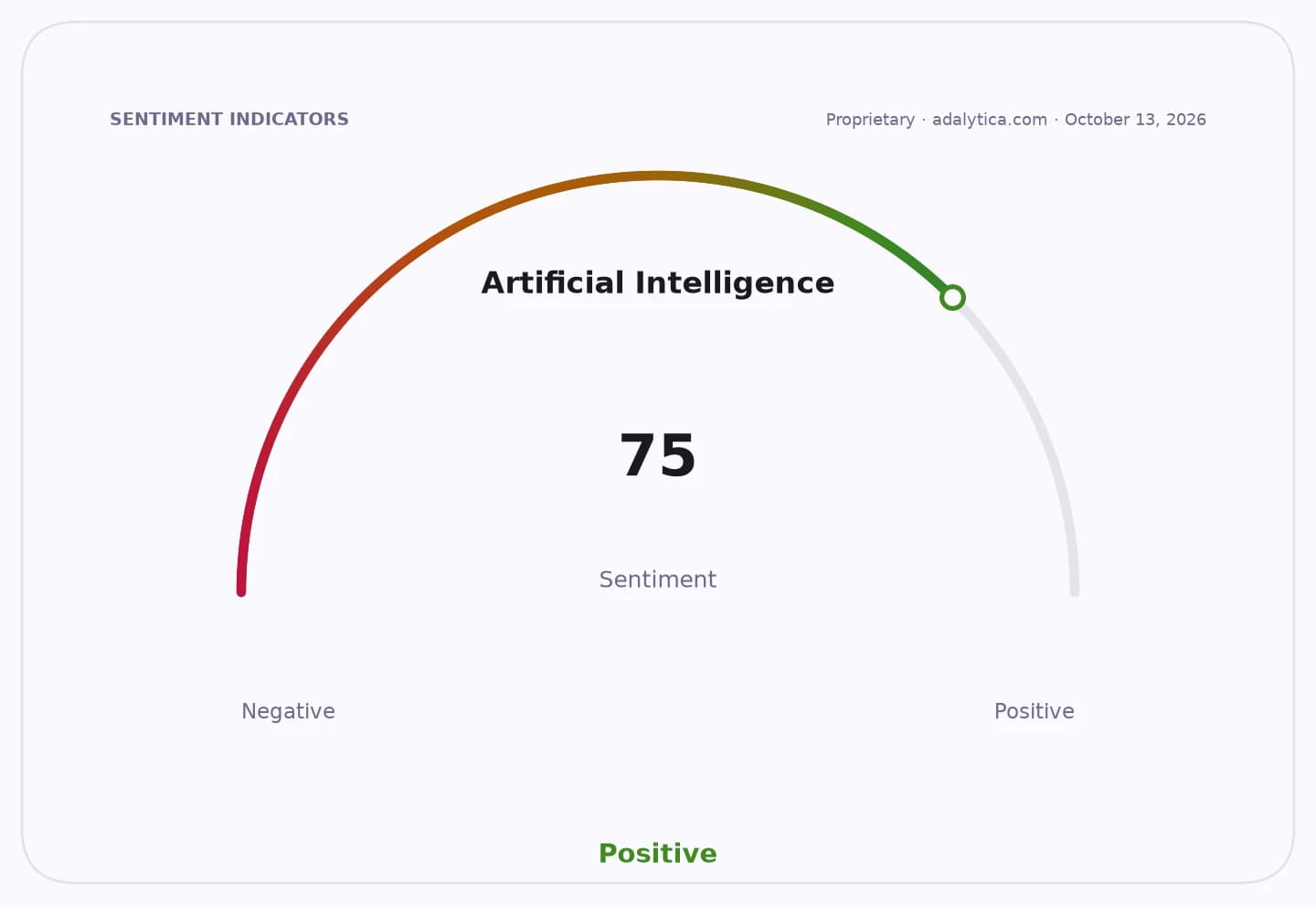
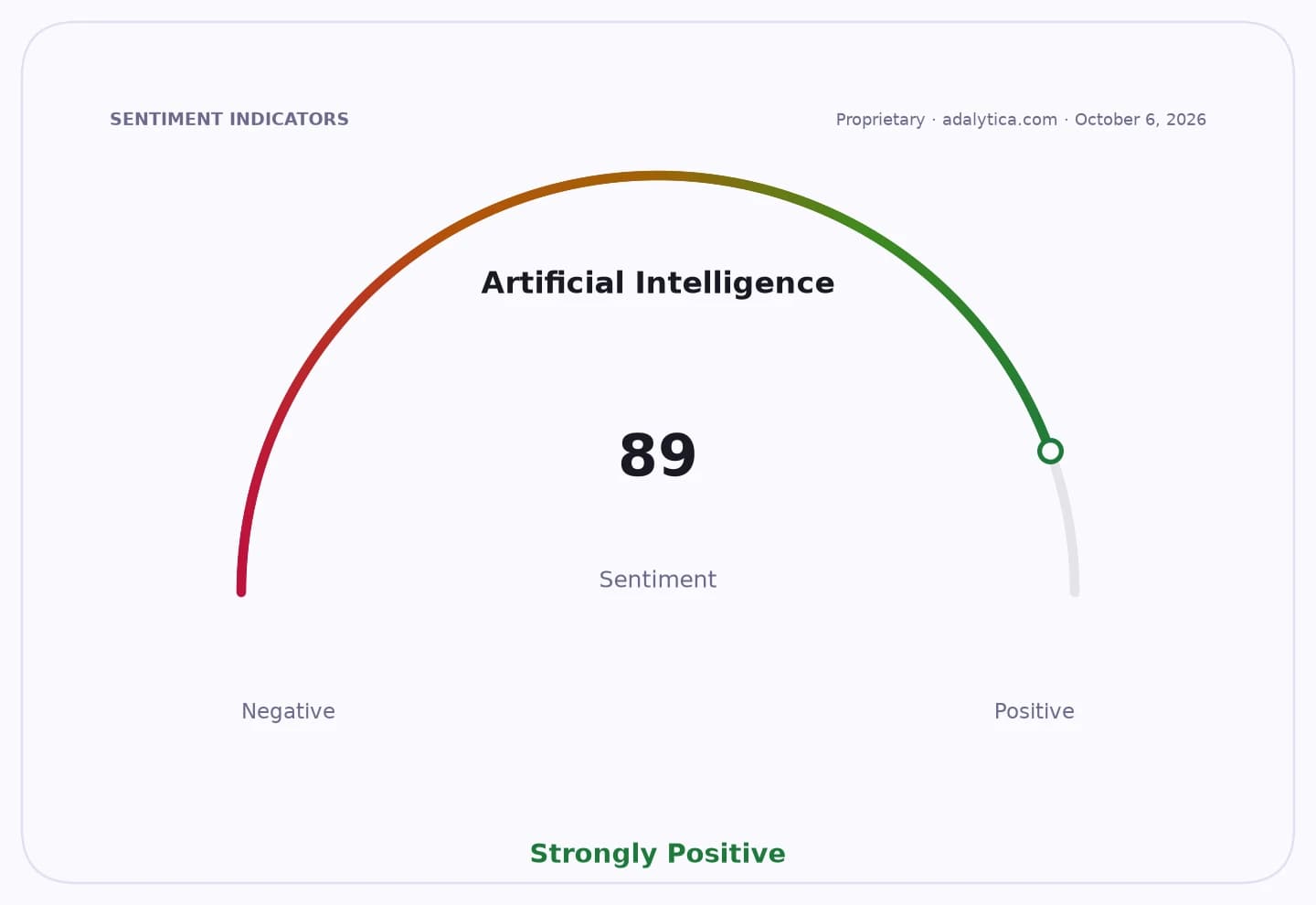
Sentiment IndicatorsⓘProprietary · adalytica.com · October 13, 2026
This is a snapshot — live sentiment, awareness and momentum for 130+ markets update continuously in the dashboard.Open AlphaPulse
AFP said the original reporting produced by news agencies must be “recognized, cited and fairly compensated,” while SPUR co-founder David Buttle said the initiative is gathering momentum and that publishers still lack a mechanism to ensure fair payment for the work that underpins AI models. The coalition now counts BBC, Financial Times, Associated Press, The Atlantic, The Observer, Radio France and publisher associations from Brazil, Japan, Argentina and Colombia among its members.
The expansion comes as the economics of news distribution continue to break down for publishers. AI assistants have reduced visits to news sites, while AI developers have faced mounting accusations of using copyrighted material to train models without permission. The New York Times is already suing OpenAI in federal court in New York over alleged copyright infringement, part of a broader campaign by media companies to force licensing talks rather than accept free ingestion of their work.
For investors, the story reinforces a growing line of business for publishers such as The New York Times, News Corp’s Dow Jones and Wiley: licensing fees for AI training and content access. OpenAI has already struck deals with publishers including The Wall Street Journal, The Washington Post, Le Monde and The Telegraph, showing that legal pressure can translate into paid partnerships. The next catalyst is whether SPUR can use its expanded membership to secure more formal licensing frameworks — or whether the industry’s court battles force AI firms to negotiate one by one.
| Entity | Gains | Losses |
|---|---|---|
| Publishers and news agencies | ▲More leverage on licensing | ▼Free content scraping |
| NYT, AFP, The Economist | ▲Stronger legal coalition | ▼Traffic from AI summaries |
| OpenAI and AI labs | ▲Clearer deal pathways | ▼Higher content costs |
| Readers and advertisers | ▲Better traceability of sources | ▼Less open AI content access |