OpenAI has begun adding an invisible watermark to some ChatGPT-generated or ChatGPT-processed texts in the European Union, a compliance move that gives regulators a way to identify AI-assisted content and could ripple through publishers, marketers and enterprises using generative tools.
OpenAI Adds Watermarking to ChatGPT Text in EU
The rollout is a direct response to transparency rules that took effect under the EU’s AI Act in August, underscoring how Europe is starting to shape the operating environment for the biggest AI companies. While the watermark is not a visible symbol, OpenAI says it is embedded in word patterns and can persist when text is copied and pasted, making it harder to strip out than a simple label.
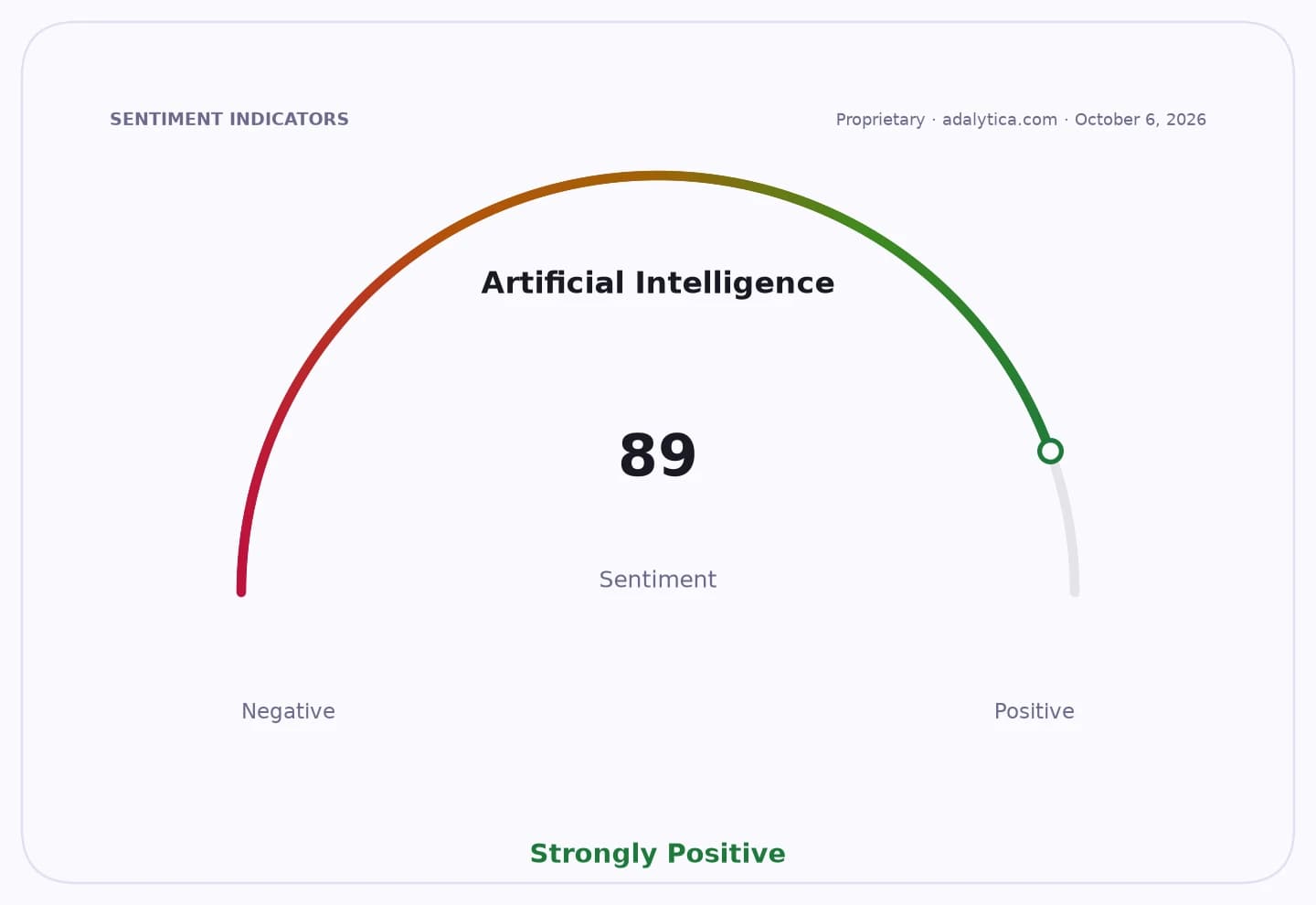
Sentiment IndicatorsⓘProprietary · adalytica.com · October 6, 2026
This is a snapshot — live sentiment, awareness and momentum for 130+ markets update continuously in the dashboard.Open AlphaPulse
That matters economically because AI-generated content has become a core productivity feature for businesses, but also a liability for firms worried about disclosure, authenticity and compliance. OpenAI said the watermark does not measure how much of a text is human-written, only whether an OpenAI system has “generated or processed parts” of it, highlighting both the limits of the tool and the regulatory pressure to prove provenance.
For investors, the development adds another layer of policy risk to the AI stack. Microsoft, OpenAI’s strategic partner, has been leaning into AI as a growth engine, but the latest move lands as market sentiment around its earnings has weakened and the shares, despite a sharp rebound, remain tied to execution on AI monetization and regulatory friction.
The implementation is being phased in over the coming weeks, and OpenAI says its tests show the watermark weakens with editing and is harder to detect in short texts. That limits its effectiveness and suggests the first generation of content provenance tools may be imperfect, even as regulators push the industry toward stronger guardrails.
The broader narrative is straightforward: as AI adoption accelerates, the business model is shifting from pure growth to growth under supervision. The next test will be whether watermarking becomes a standard feature across major AI platforms — and whether Europe’s rules become a template for other markets.
| Entity | Gains | Losses |
|---|---|---|
| EU regulators | ▲Better disclosure tools | ▼Less opaque AI content |
| OpenAI | ▲Compliance cover | ▼More product friction |
| Microsoft | ▲Partnership continuity | ▼Added AI regulatory risk |
| Publishers and employers | ▲Easier provenance checks | ▼More workflow complexity |