Nepal’s Prime Minister Balen Shah will travel to India on Nov. 22 for his first official visit to New Delhi, a diplomatic reset that could give fresh momentum to a relationship central to trade, energy and regional security in South Asia.
Nepal PM Balen Shah to visit India on Nov. 22
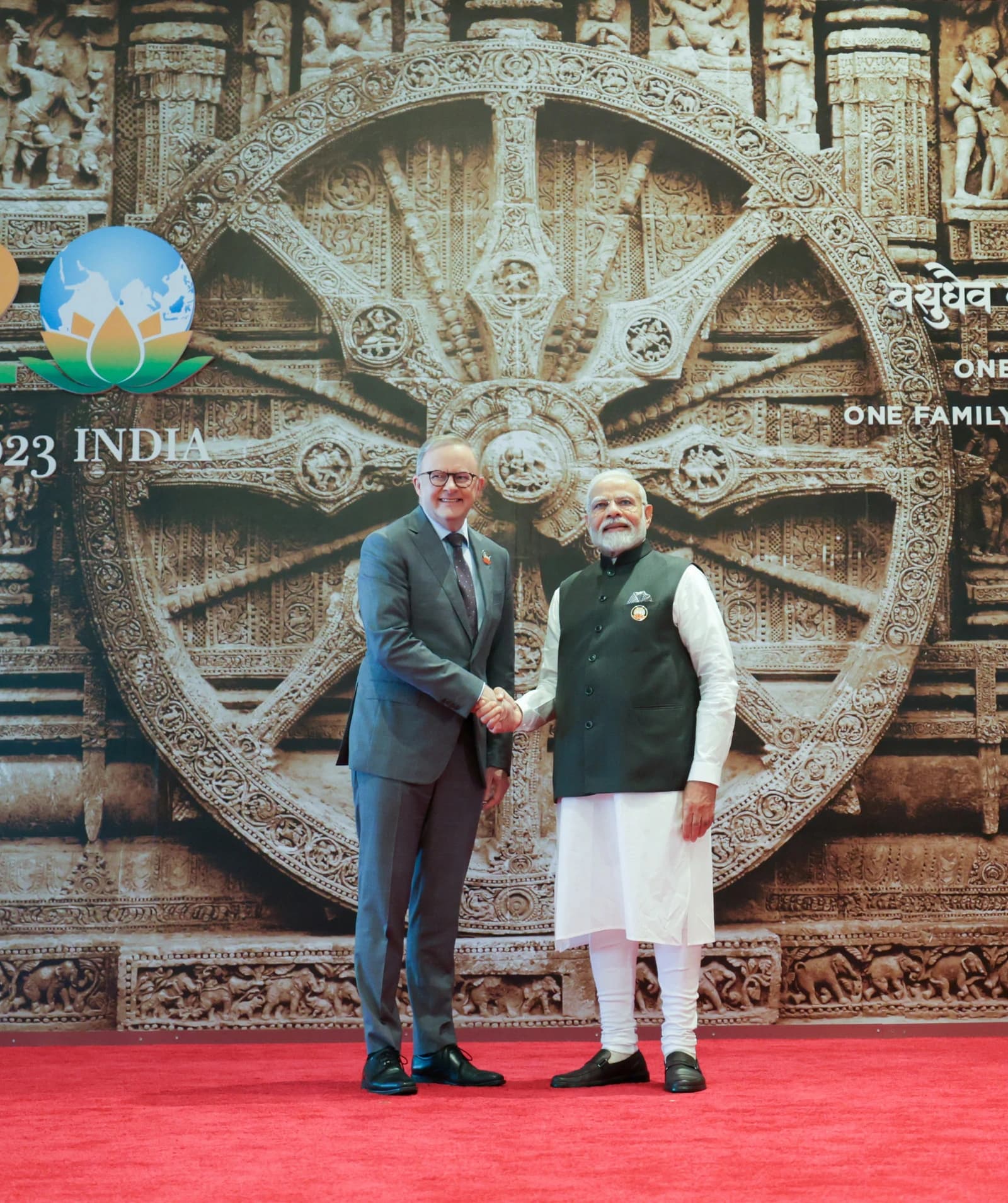
The visit matters because India and Nepal are not just neighbours but deeply intertwined economies. Their ties touch everything from border commerce and infrastructure to power trade, digital connectivity and water resources. A successful first meeting between Shah and Prime Minister Narendra Modi would reinforce India’s “Neighbourhood First” policy and help steady a relationship that can quickly become strained when politics or border sensitivities flare.
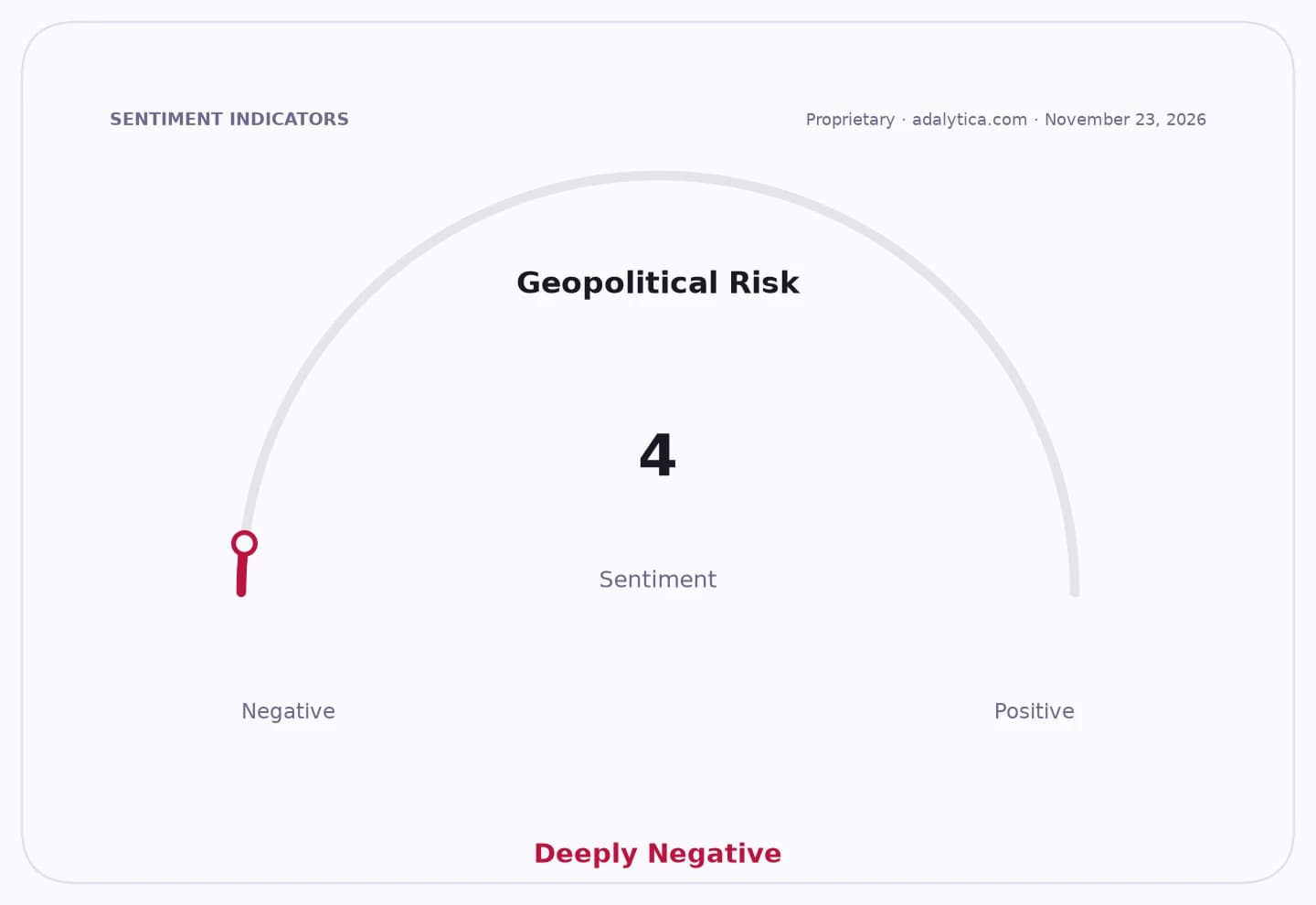
Sentiment Indicators
The two-day state visit will include bilateral talks on Nov. 23, a meeting with President Droupadi Murmu and an official lunch hosted by Modi. Nepal’s foreign secretary said the leaders would review the full range of ties, including regional and international issues, with foreign minister S. Jaishankar also due to meet Shah. The 34-member delegation underscores that the agenda is broader than symbolism and is likely to cover economic cooperation as well as diplomatic alignment.
For markets and businesses, the significance lies in the practical areas that tend to move more slowly than the politics but deliver the most value: cross-border power flows, transmission links, transport corridors, investment rules and digital integration. India has been pushing deeper economic ties with its Himalayan neighbour, while Nepal is looking for growth support, infrastructure financing and access to the larger Indian market. Any progress on these fronts would be positive for Indian firms involved in engineering, power and logistics, and for Nepalese entities dependent on Indian supply chains and imports.
The trip also carries geopolitical weight. India remains Nepal’s largest economic partner, while Kathmandu seeks to balance ties with both India and China without losing strategic room to manoeuvre. A warm reception for Shah would signal continuity and reduce the risk that bilateral issues spill into commercial ties or border movement. That is especially important for investors watching regional stability, since friction between the two countries can affect trade flows, sentiment and project execution.
The bull case is that the visit opens the door to concrete announcements on connectivity and energy cooperation, areas where both sides have already made progress. The bear case is that the trip produces strong optics but limited deliverables, leaving structural issues for later and preserving the familiar pattern of goodwill without implementation. For now, the market relevance is less about immediate asset-price impact than about whether the meeting converts diplomatic intent into bankable policy follow-through.
| Entity | Gains | Losses |
|---|---|---|
| India-Nepal ties | ▲Fresh diplomatic momentum | ▼Risk of stagnation if talks stall |
| Indian exporters and infrastructure firms | ▲Better trade and project access | ▼Fewer opportunities if cooperation slows |
| Nepal government | ▲Stronger backing from New Delhi | ▼Less leverage if talks yield little |
| Regional stability investors | ▲Lower geopolitical risk premium | ▼Higher uncertainty if tensions reappear |