Thailand’s King and Queen have arrived in China for a state visit that Beijing is using to underline its long-running diplomatic and economic relationship with Bangkok at a time of heightened geopolitical strain.
Thailand King Visits China for State Visit
The visit, which began Nov. 13, marks 50 years of diplomatic relations between Thailand and China, giving the trip significance well beyond ceremony. For China, the optics matter: a high-profile royal welcome at the Great Hall of the People projects continuity in regional partnerships as Beijing seeks to preserve influence in Southeast Asia and steady ties with a key trading partner.
Sentiment Indicators
President Xi Jinping and First Lady Peng Liyuan greeted the Thai monarchs in Beijing, while senior officials including Foreign Minister Wang Yi received them on arrival. The protocol-heavy reception signals the visit’s importance in China’s foreign-policy calendar and suggests both sides want to reinforce political trust, tourism links and economic cooperation.
For investors, the main takeaway is not an immediate market catalyst but the reinforcement of a stable Thailand-China corridor that spans trade, infrastructure, tourism and supply chains. In a region where supply-chain diversification, U.S.-China rivalry and shifting trade rules are shaping capital allocation, symbolic diplomacy can matter if it helps preserve commercial visibility and cross-border flows.
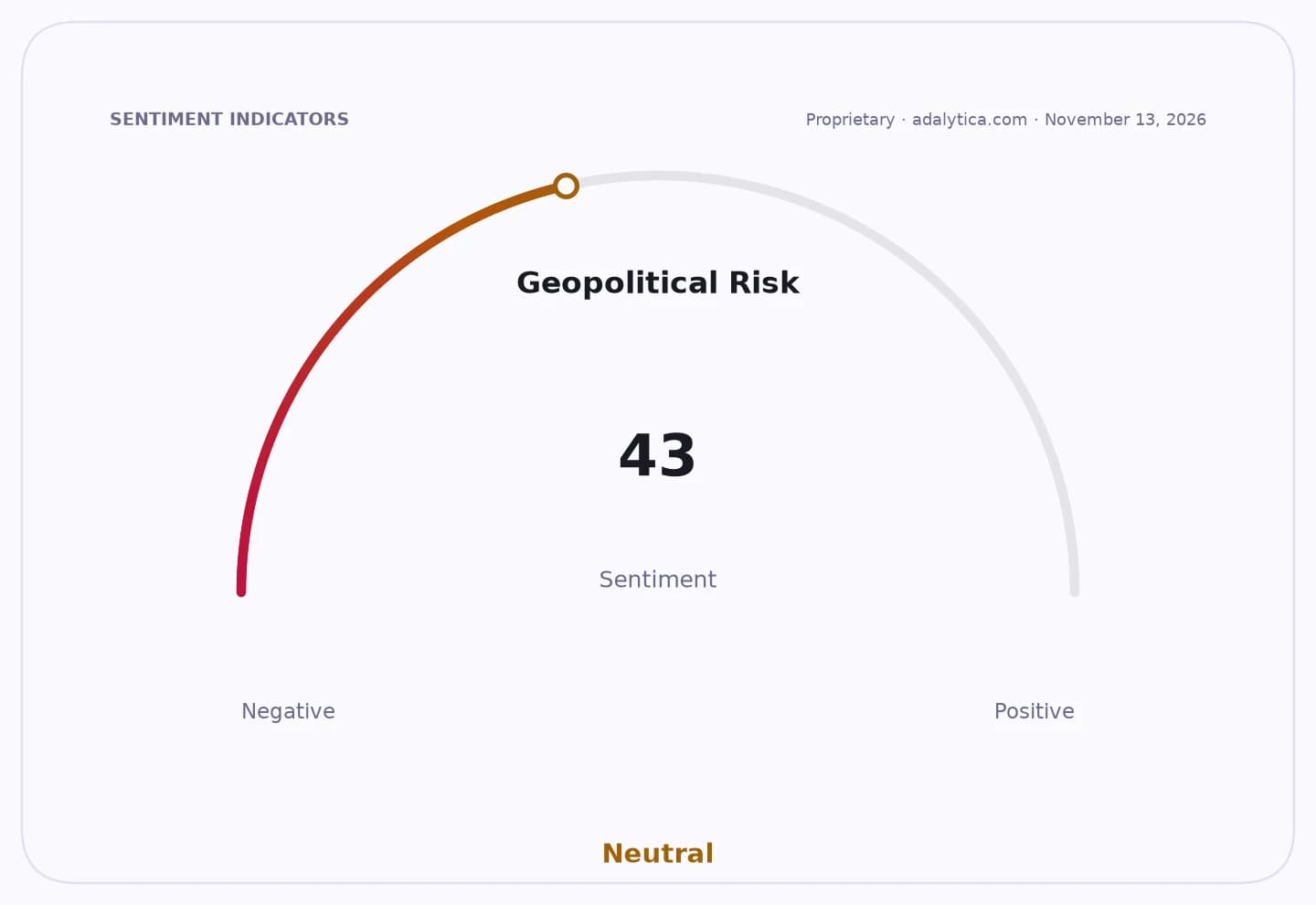
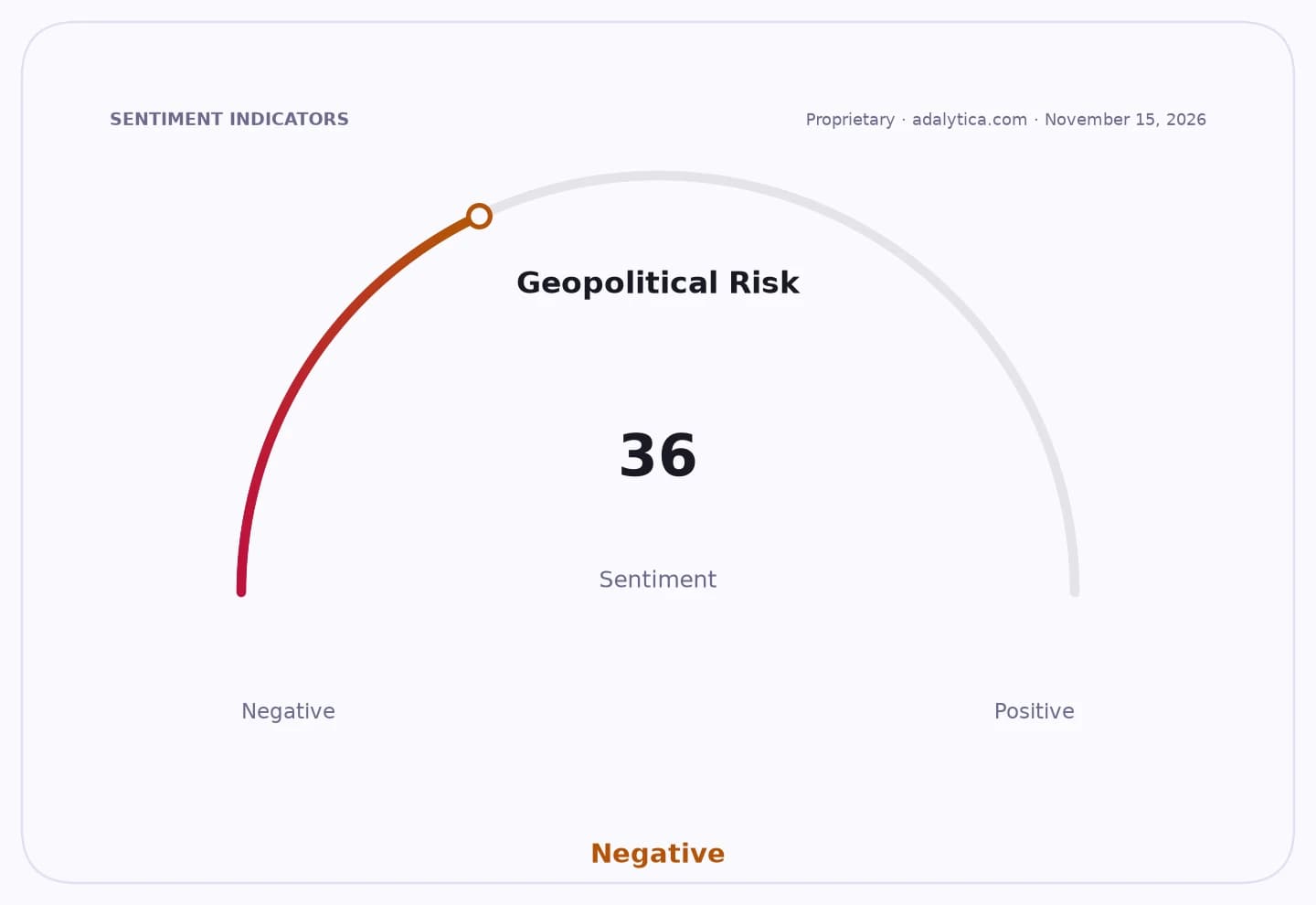
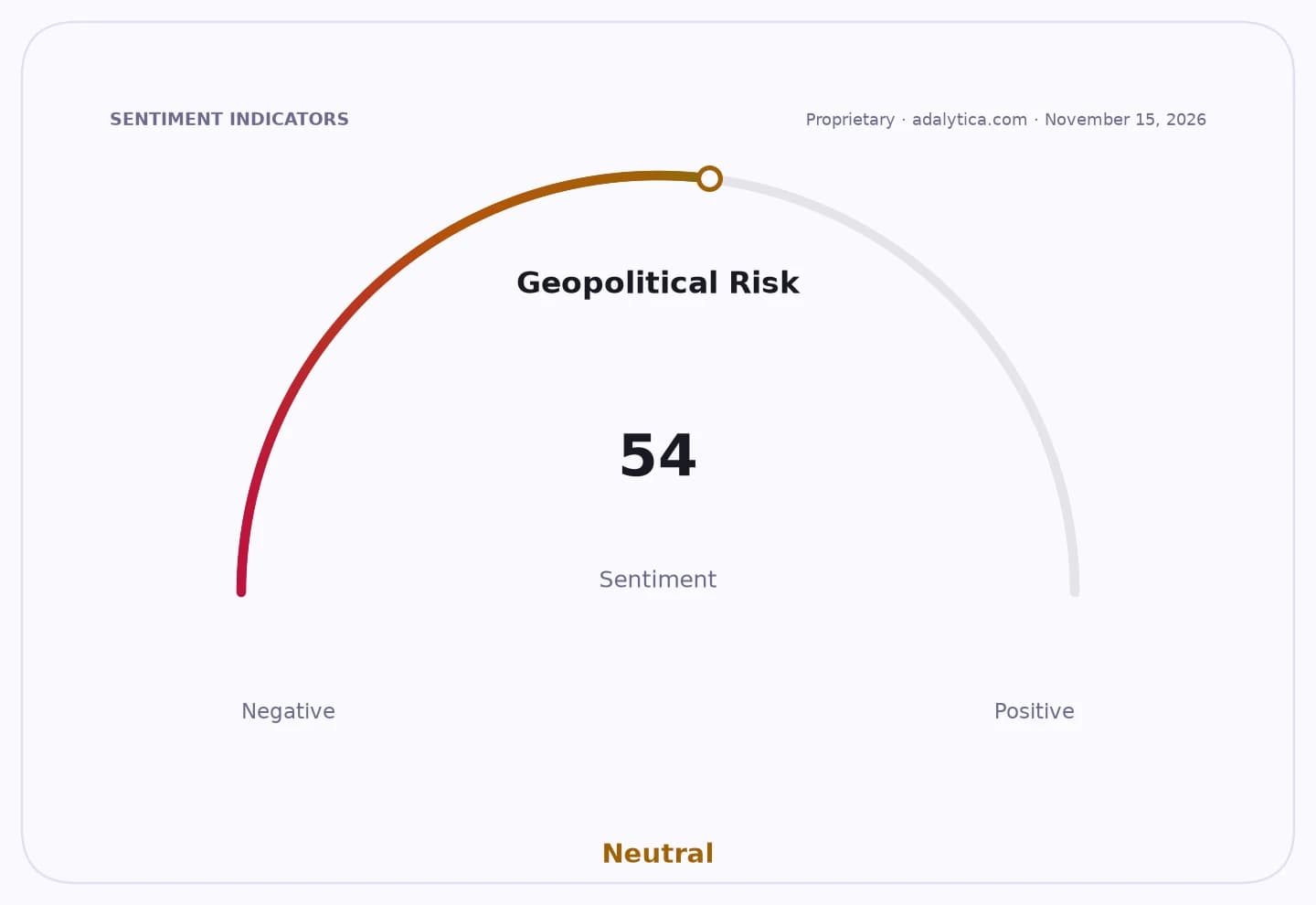
The backdrop is also notable for what it says about China’s approach to regional diplomacy: it is leaning on state visits and anniversary symbolism to sustain relationships even as broader sentiment around China remains fragile. Adalytica’s US–China Relations Sentiment gauge shows “Extreme Fear,” underscoring how sensitive markets remain to geopolitical headlines and any sign of alignment shifts in Asia.
The trip is likely to be watched for any follow-up agreements or signals on tourism, investment, transport or cultural exchange, but the immediate story is the political message: Beijing is marking a milestone relationship and signaling that Thailand remains an important partner in its regional outreach.
| Entity | Gains | Losses |
|---|---|---|
| China | ▲Diplomatic influence | ▼None immediate |
| Thailand | ▲Political ties with Beijing | ▼Limited strategic flexibility |
| Regional trade and tourism | ▲Visibility and continuity | ▼Geopolitical uncertainty |
| U.S.-China rivalry | ▲None | ▼More regional cohesion around Beijing |