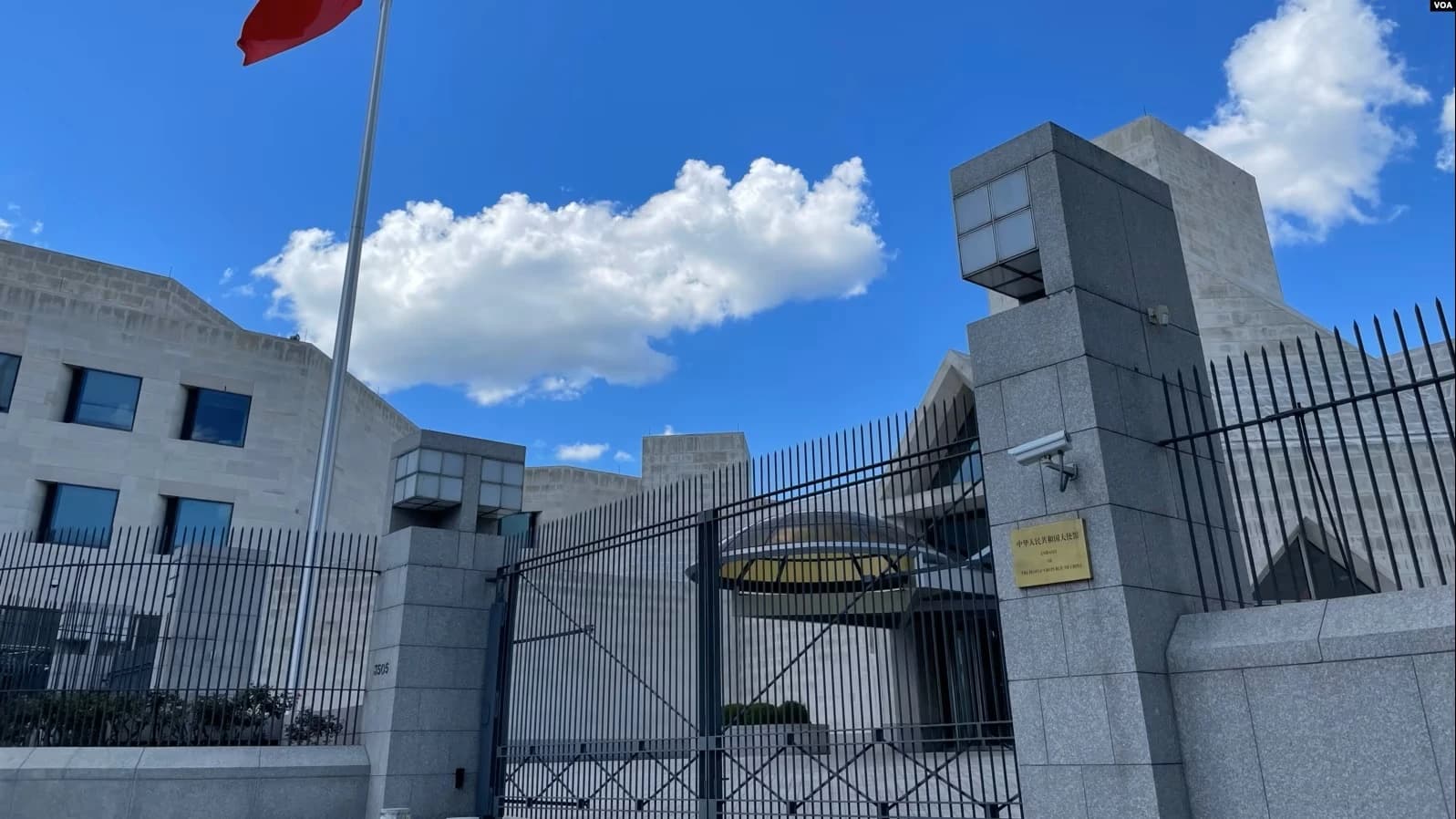
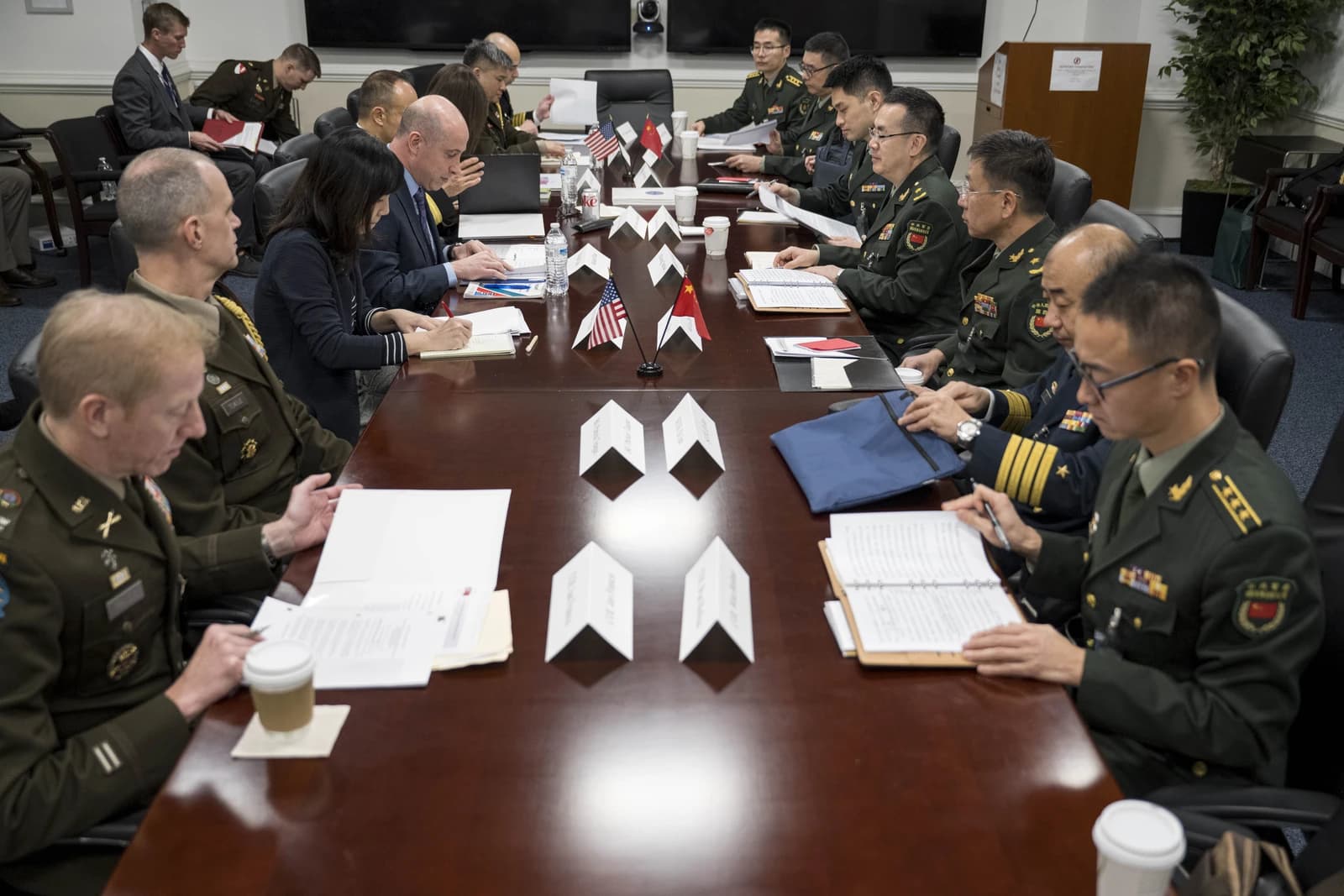
China has rejected the latest effort by Taiwan and Somaliland to deepen diplomatic ties, underscoring how Beijing continues to police any move that could widen Taiwan’s already narrow international space.
Taiwan and Somaliland Seek New Diplomatic Ties
The dispute matters because recognition battles are not symbolic side issues: they shape access to international institutions, influence trade and investment flows, and remain a core pressure point in China’s long-running campaign to isolate Taiwan diplomatically. For Taiwan, which maintains formal ties with only a little over a dozen countries, any new representative office or upgraded relationship is a strategic gain. For China, allowing a self-governing Taiwan to expand its overseas footprint would weaken the One China policy that underpins Beijing’s foreign policy and its leverage over smaller states.
Sentiment Indicators
Taiwan and Somaliland said they had agreed to boost diplomatic relations and that a Taiwan Representative Office would be established in the Horn of Africa territory. Somaliland, which declared independence from Somalia in 1991 but is not widely recognised, has sought external partners to bolster its de facto statehood, while Taipei has used informal diplomacy to preserve and expand its remaining international links. Beijing regards such moves as violations of the One China principle and typically responds by pressuring governments and institutions to avoid any form of official engagement with Taiwan.
The episode also highlights the increasingly transactional nature of diplomacy around Taiwan. Somaliland gains visibility and a political partner willing to engage outside the strict confines of broader recognition, while Taiwan gains a rare foreign outpost in a strategic region astride major shipping lanes. But the cost is political friction with China, which remains one of the world’s most powerful trade and diplomatic actors and can turn recognition disputes into wider bilateral headaches for third countries.
Geopolitical Risk
For investors, the immediate market impact is limited, but the broader implications are harder to ignore. Escalating cross-strait and Taiwan-linked diplomacy tends to reinforce risk premia around Asia supply chains, technology manufacturing and regional shipping routes. It also keeps alive the possibility of retaliatory Chinese measures against countries or entities seen as crossing Beijing’s red lines. That is why even seemingly small diplomatic openings can matter for sectors exposed to China, Taiwan and the wider Indo-Pacific.
The narrative is not that Somaliland changes the balance of power, but that every new Taiwan partnership reasserts the same contest: Taipei’s search for room to maneuver versus Beijing’s effort to shut it down. That struggle is likely to remain a recurring flashpoint as Taiwan courts informal allies and China insists that any such outreach is illegitimate.
| Entity | Gains | Losses |
|---|---|---|
| Taiwan | ▲Slight diplomatic expansion | ▼Pressure from Beijing |
| Somaliland | ▲International visibility | ▼Risk of Somalia-China backlash |
| China | ▲Reinforced red-line stance | ▼Greater diplomatic friction |
| Investors in Asia risk assets | ▲None immediately | ▼Higher geopolitical uncertainty |