Several of the Philippines’ biggest business, labor and civil society groups are throwing their weight behind the foreign ministry’s call for sustained dialogue with China, underscoring how trade and investment interests are increasingly pushing Manila to keep channels open even as maritime and political tensions flare.
Philippines business groups back China dialogue
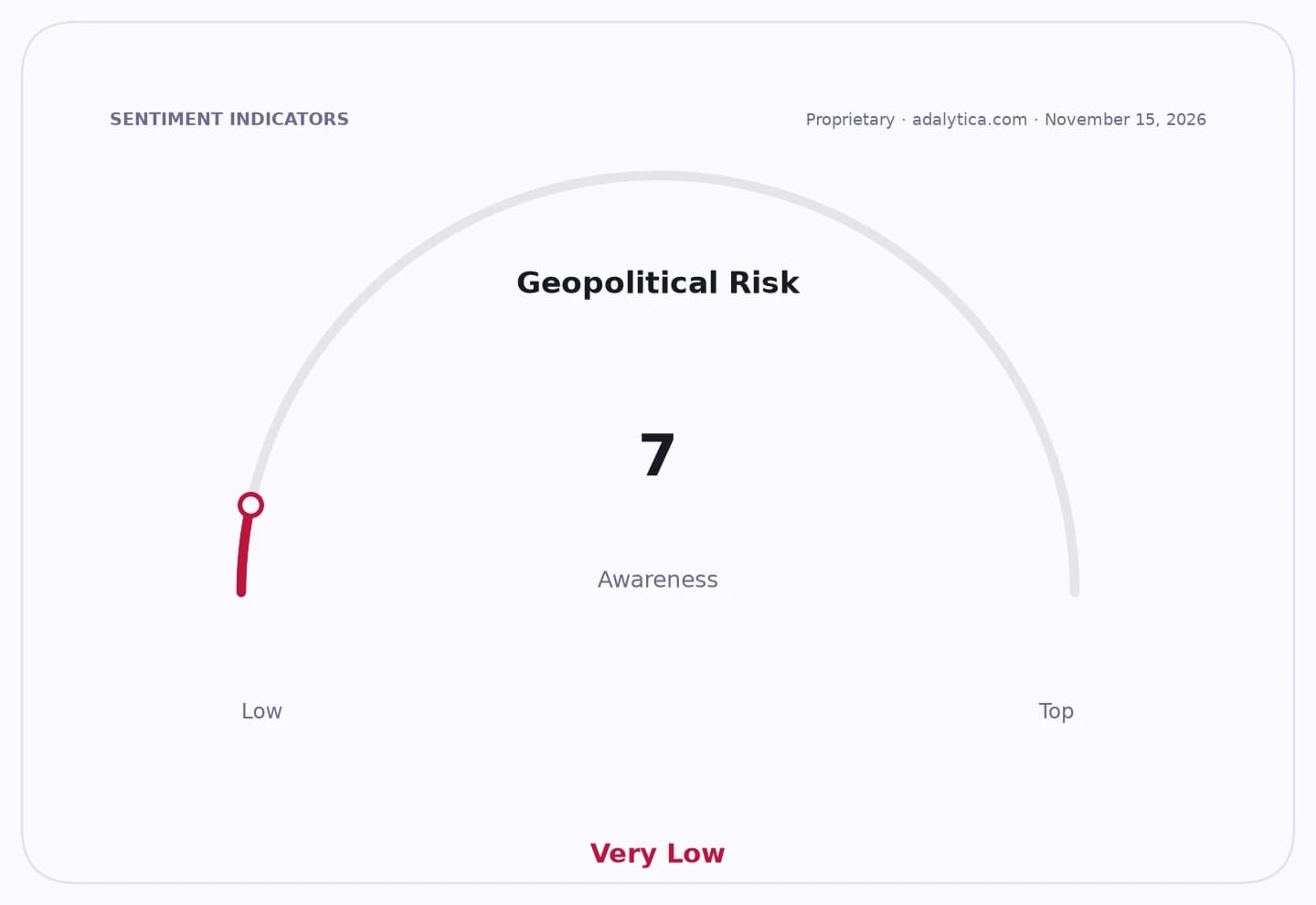
Geopolitical Risk
The joint statement backs Foreign Affairs Secretary Ma. Theresa Lazaro’s recent talks with Chinese Foreign Minister Wang Yi and frames engagement with Beijing as essential to protecting the country’s economic interests, including exports, tourism, overseas Filipino workers and broader bilateral trade. That matters because China remains the Philippines’ largest trading partner, and any prolonged deterioration in relations risks spilling beyond diplomacy into supply chains, consumer demand and capital flows.
Sentiment Indicators
The signatories include major corporate and industry bodies such as the Employers Confederation of the Philippines, Philippine Chamber of Commerce and Industry, Philippine Exporters Confederation, Semiconductor and Electronic Industries in the Philippines, the Philippine Chamber of Agriculture and Food and the Federation of Filipino-Chinese Chambers of Commerce and Industry. Their intervention signals that the private sector sees economic security as inseparable from geopolitical stability, particularly at a time of intensifying global competition and fragmenting trade ties.
The timing is notable. The statement comes after a series of sharp verbal exchanges between Manila and Beijing, including remarks by Chinese Ambassador Jing Quan that drew a formal rebuke from the Philippine government. Against that backdrop, the groups are effectively pressing for a pragmatic reset: defend sovereignty, but avoid letting confrontation disrupt commerce, tourism and job creation.
For investors, the message is twofold. First, sustained diplomacy lowers the near-term risk of further escalation that could hurt sectors exposed to Chinese demand, inbound travel and regional trade routes. Second, the breadth of the coalition suggests business lobbies are likely to keep advocating for policy continuity, which could support sentiment toward Philippine exporters, industrial names and consumer-linked companies that rely on stable external demand.
That said, dialogue alone does not resolve the underlying disputes, and any renewed flare-up could quickly reverse confidence. The economic case for engagement is strong, but it remains vulnerable to the politics of sovereignty and public opinion, leaving markets to watch whether the latest diplomatic thaw translates into a more durable working relationship.
| Entity | Gains | Losses |
|---|---|---|
| Philippine exporters and manufacturers | ▲Reduced trade disruption | ▼Escalation risk |
| Tourism and consumer sectors | ▲Better China ties | ▼Weaker visitor flows |
| Philippine government | ▲Diplomatic flexibility | ▼Hardline nationalist pressure |
| China hawks / confrontation advocates | ▲— | ▼Less policy traction |