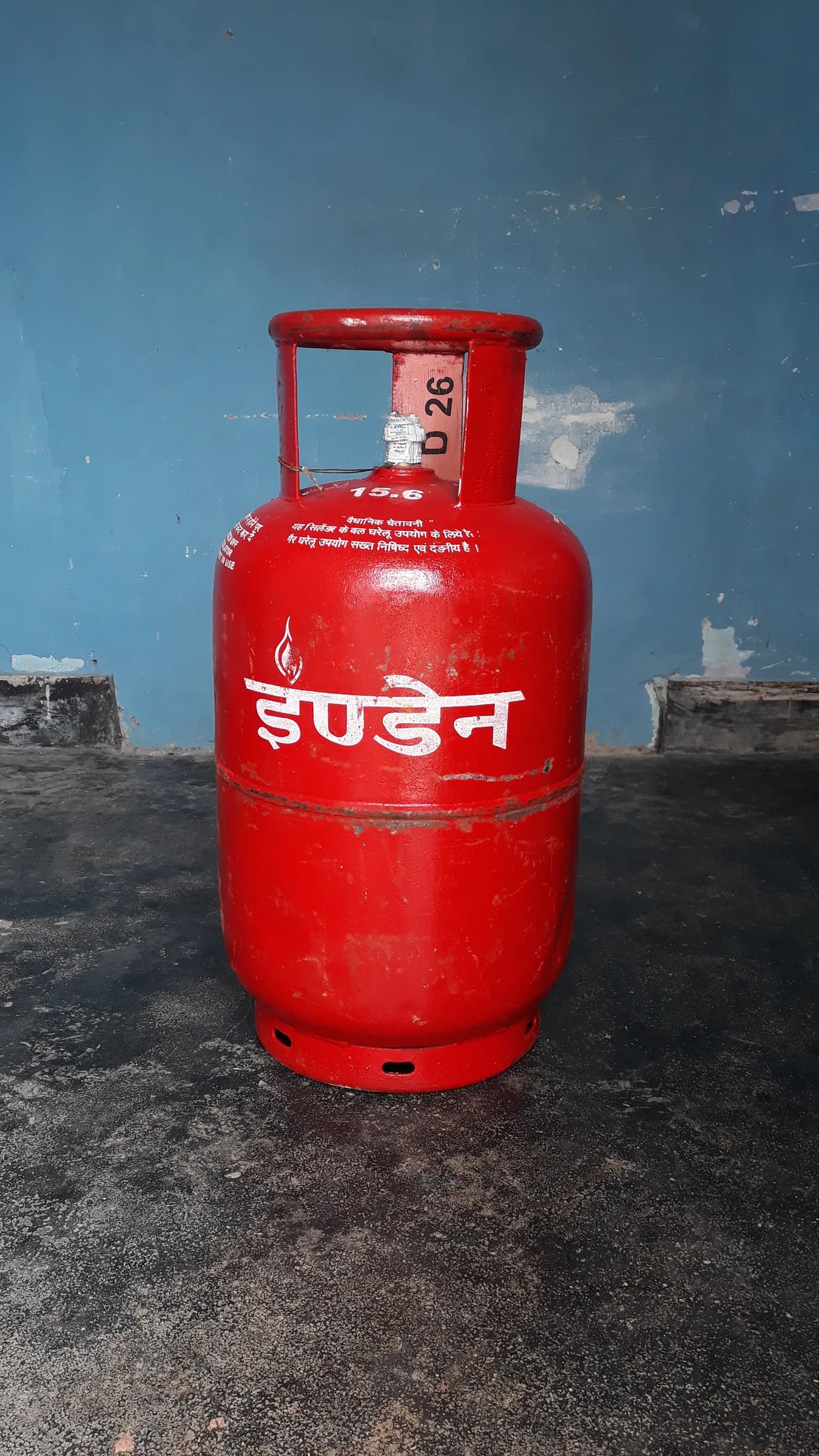
Nepal’s cooking gas crunch is worsening because cylinders that are reaching the Kathmandu Valley are still not getting to households and restaurants, leaving the government under pressure to prove it can guarantee a basic fuel supply before festival demand rises.
Nepal LPG shortage worsens in Kathmandu Valley
The shortage matters because liquefied petroleum gas is the main cooking fuel for much of Nepal, especially in Kathmandu’s rented housing stock and in small eateries that have few practical alternatives. With electricity unreliable and switching costs high, any break in LPG distribution quickly turns into a consumer and inflation problem rather than a narrow logistics issue.
Sentiment IndicatorsⓘProprietary · adalytica.com · September 13, 2026
This is a snapshot — live sentiment, awareness and momentum for 130+ markets update continuously in the dashboard.Open AlphaPulse
Authorities say 63,383 cylinders entered the Valley on Friday and Saturday last week after refills at plants in Tarai-Madhesh and deliveries via alternative routes. But dealers say they are still being allocated too little gas, and consumers continue to queue with empty cylinders, a sign that the bottleneck is in distribution, hoarding or black marketing rather than only transport.
The crisis began after the US-Israel war against Iran disrupted supply, then worsened when a landslide at Krishnabhir on the Prithvi Highway cut the main route to Kathmandu just as the Nepal Oil Corporation resumed full 14.2-kg cylinder deliveries. That combination has exposed how fragile Nepal’s LPG system is: a single road failure, some stockpiling and a rush of empty cylinders back into the market can overwhelm the chain.
For investors and businesses, the immediate losers are restaurants, small food sellers and consumers facing higher costs and lost time, while dealers and middlemen stand accused of exploiting scarcity. The broader economic risk is that repeated shortages feed black-market pricing, discourage normal household consumption and add pressure on the state ahead of major festivals, when demand typically spikes.
The government’s planned command post with district administrations, the oil corporation, gas industries and police could help, but only if it tracks cylinders from dispatch to depot to kitchen and confronts hoarding directly. Longer term, Nepal still needs cleaner cooking alternatives, but the near-term test is simpler: restoring confidence that LPG is actually available.
| Entity | Gains | Losses |
|---|---|---|
| Households in Kathmandu | ▲clearer supply guarantees | ▼long queues, empty cylinders |
| Restaurants and small eateries | ▲stable fuel access | ▼closure risk, higher costs |
| Nepal Oil Corporation / government | ▲chance to restore credibility | ▼blame for distribution failures |
| Dealers and black marketers | ▲scarcity rents | ▼crackdown and tighter monitoring |