Nestle’s warning that the Middle East conflict is driving inflation and higher supplier costs is a reminder that geopolitics is still feeding directly into the grocery bill — and into margins at one of the world’s biggest packaged-food companies.
Nestle cites Middle East conflict and higher costs
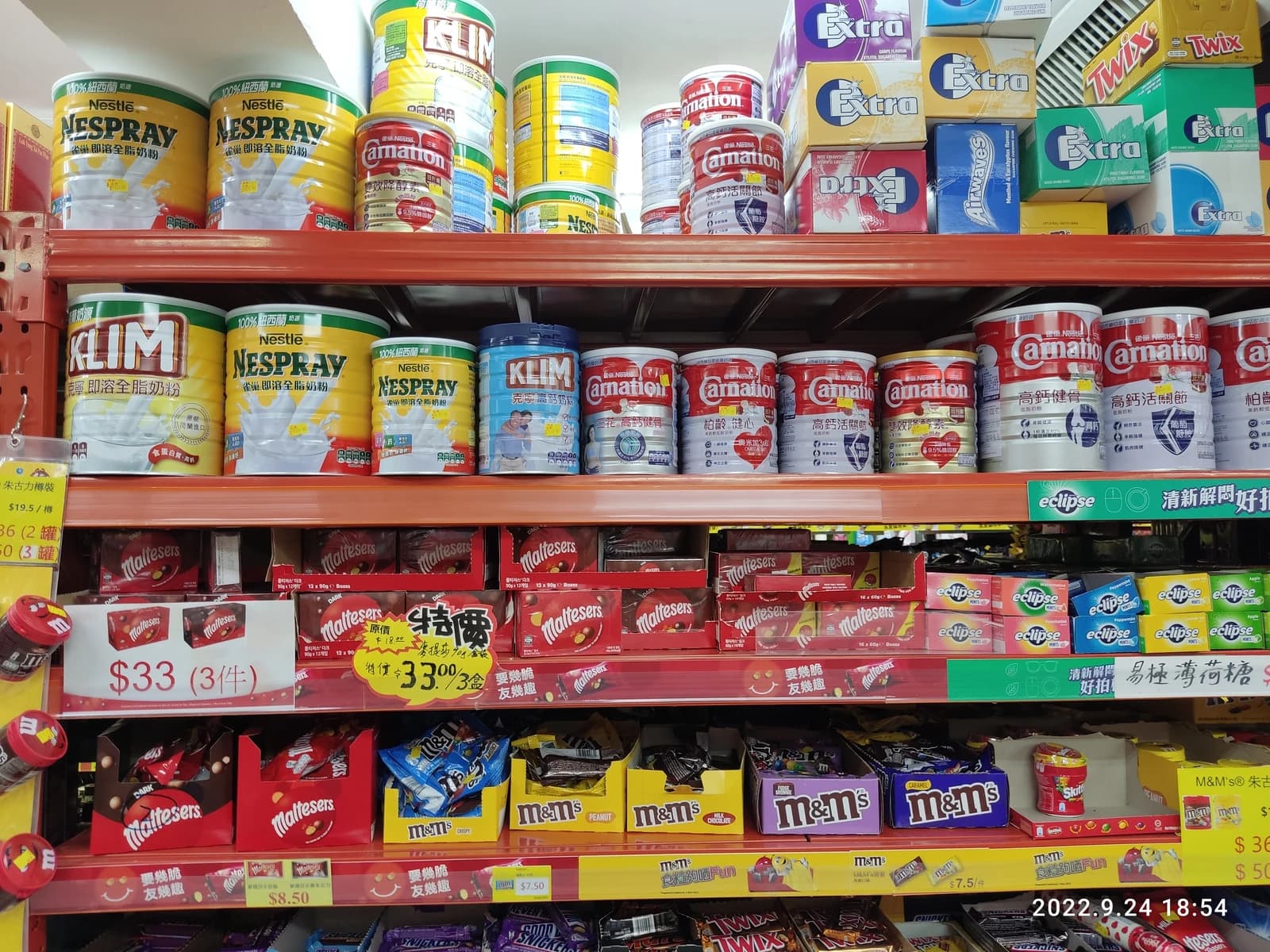
That matters because Nestle sells everyday products in markets where shoppers are already highly sensitive to price. When transport routes, commodity inputs and supplier contracts get more expensive at the same time, food makers face a familiar squeeze: either absorb the hit and take lower profits, or pass it on and risk losing volume. For long-term investors, that is the core tension in consumer staples right now. The business model is supposed to be resilient, but resilience still depends on pricing power.
Sentiment IndicatorsⓘProprietary · adalytica.com · September 12, 2026
This is a snapshot — live sentiment, awareness and momentum for 130+ markets update continuously in the dashboard.Open AlphaPulse
The inflation backdrop is not helping. US consumer prices, as measured by the CPI, were running at 334.131 in August, versus 333.979 in May, while producer prices rose to 287.928 from 286.023 over the same stretch. In other words, the broad cost environment is still sticky even before companies layer on conflict-related disruptions. Oil, a key driver of freight, packaging and agricultural costs, was trading near $97 a barrel in the latest data, after jumping from $85.91 in April and $109.76 in May before easing again. That kind of volatility filters through supply chains with a lag, which is exactly why food companies spend so much time talking about hedging, sourcing and pricing actions.
The pressure shows up in peers, too. Kraft Heinz has said it is using efficiency initiatives, pricing actions and alternative sourcing to offset inflation, while PepsiCo has pointed to geopolitical conditions, import restrictions and supply-chain disruptions as a drag on commodity, transportation and labor costs. General Mills has also flagged the risk that external conditions such as war, tariffs and climate-related shortages can inflate inputs. Nestle’s comments fit squarely into that broader pattern: this is not a one-off issue, but a sector-wide earnings headwind.
For investors, the question is not whether inflation matters — it does — but which companies can defend real profits over time. Nestle still has the advantages that matter most in consumer staples: scale, global distribution and a portfolio of brands that can absorb periodic price increases better than private-label rivals can. But shares can still be vulnerable when margins get pinched and the market starts to worry that pricing has peaked.
That helps explain the recent chop in the stock. Nestle’s US-listed shares have slipped to about $94.90 from a recent high above $105, while the 50-day moving average has rolled above the stock price and the RSI has cooled into oversold territory on the latest readings. That does not change the long-term story, but it does tell investors the market is taking the cost pressure seriously.
For patient investors, the real takeaway is simple: geopolitical inflation tends to arrive in waves, and the best consumer staples companies usually survive by compounding through them. Nestle is still one of those names to watch, but this is a reminder that even blue-chip food makers are not immune when conflict reaches the supply chain.
| Entity | Gains | Losses |
|---|---|---|
| Nestle competitors with stronger pricing | ▲Margin resilience | ▼Cost pressure |
| Suppliers and freight providers | ▲Higher revenue | ▼Customer pushback |
| Consumers | ▲None | ▼Higher grocery prices |
| Long-term Nestle holders | ▲Possible eventual pricing power | ▼Near-term profit squeeze |