The Netherlands has filled its underground gas storage facilities to the European target of about 64%, a policy milestone that eases immediate supply-risk concerns but also underscores how fragile the continent’s winter gas balance remains.
Netherlands fills gas storage to EU target
State-backed energy company EBN said Dutch inventories now stand at roughly 93 terawatt-hours, meeting the revised EU requirement after private operators were reluctant to inject gas this summer amid a weak summer-winter spread, elevated prices and persistent geopolitical tension. The filling effort cost the Dutch government nearly 1 billion euros and was carried out under difficult conditions, including technical limits on injections during periods of high heat.
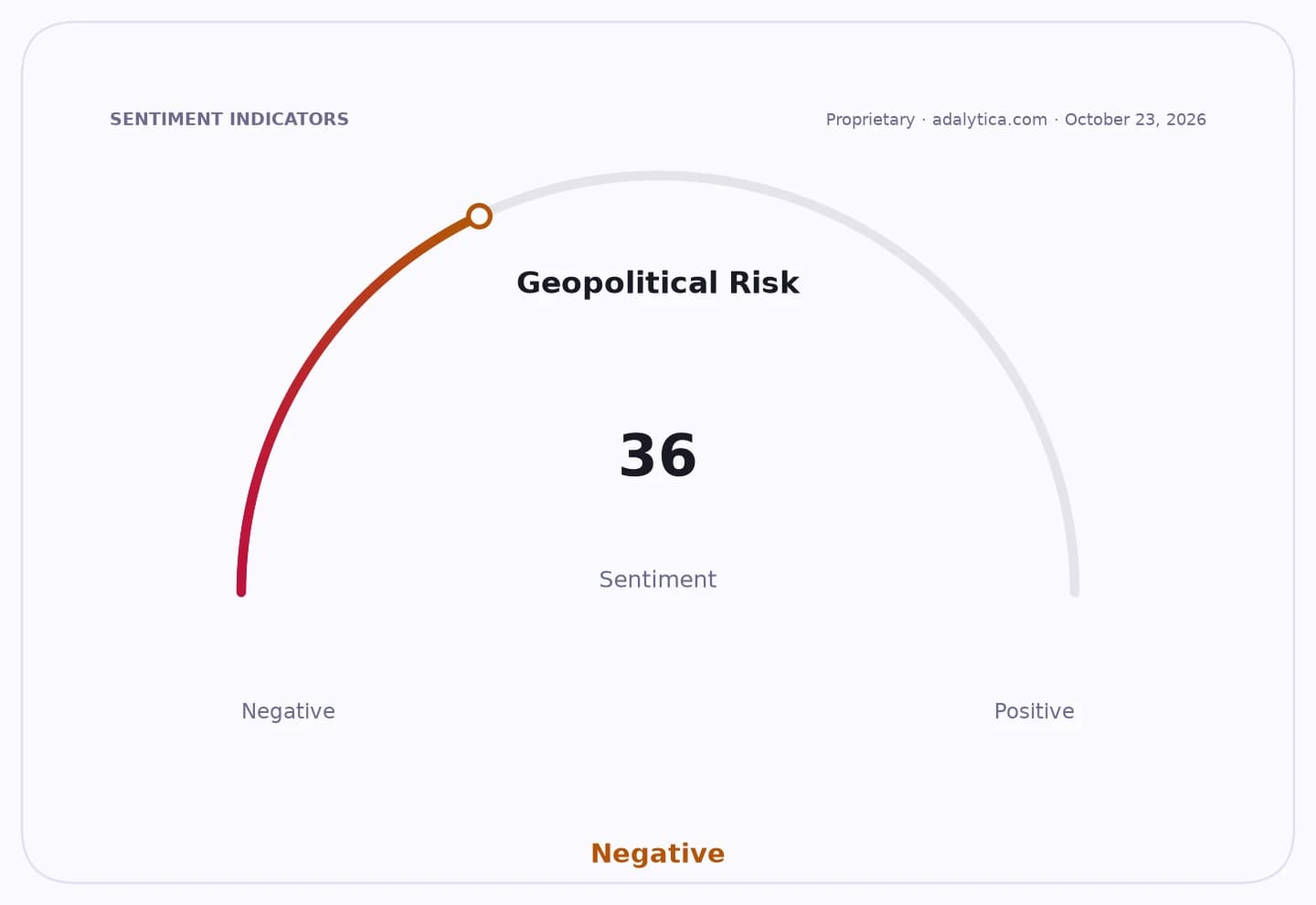
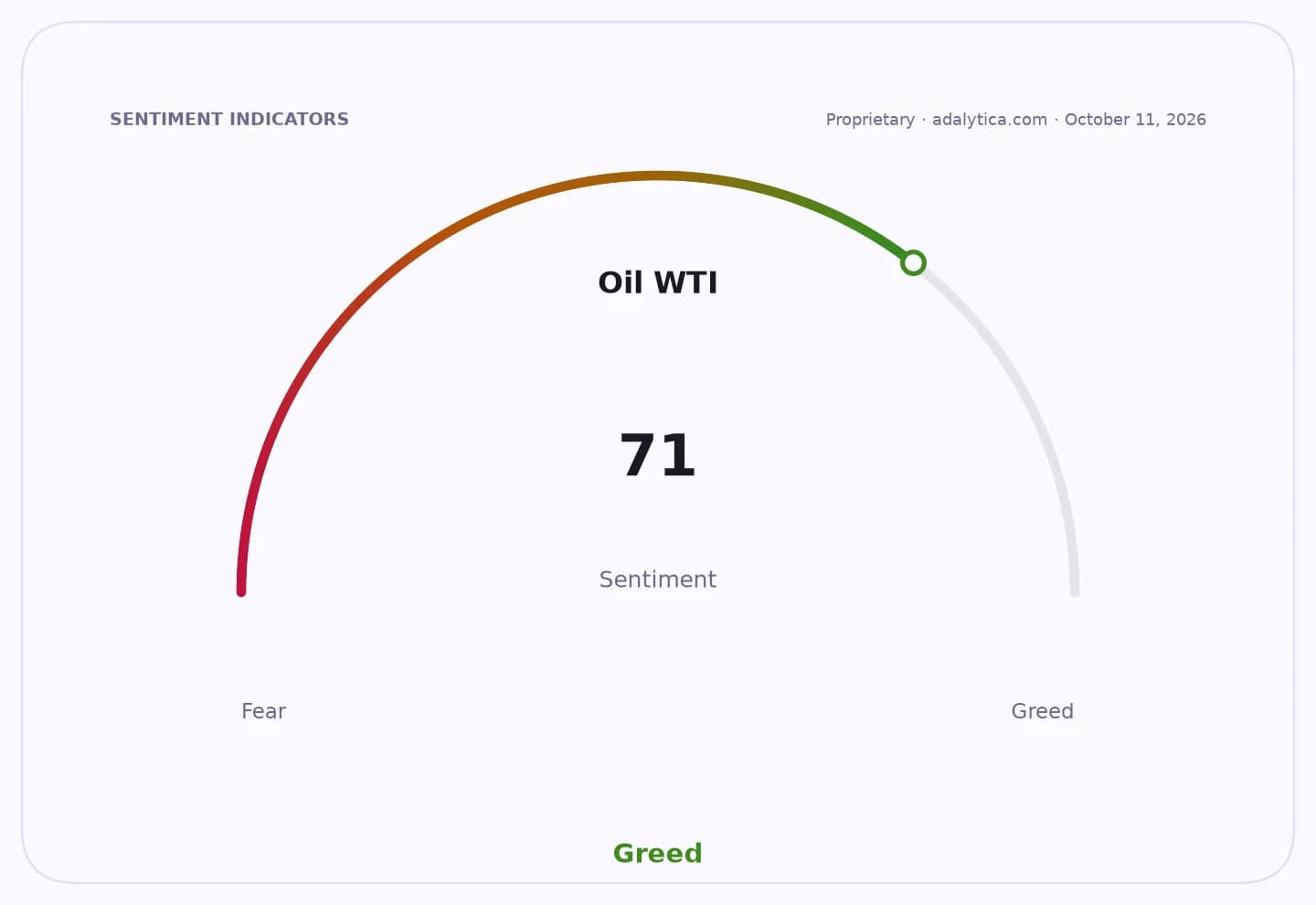
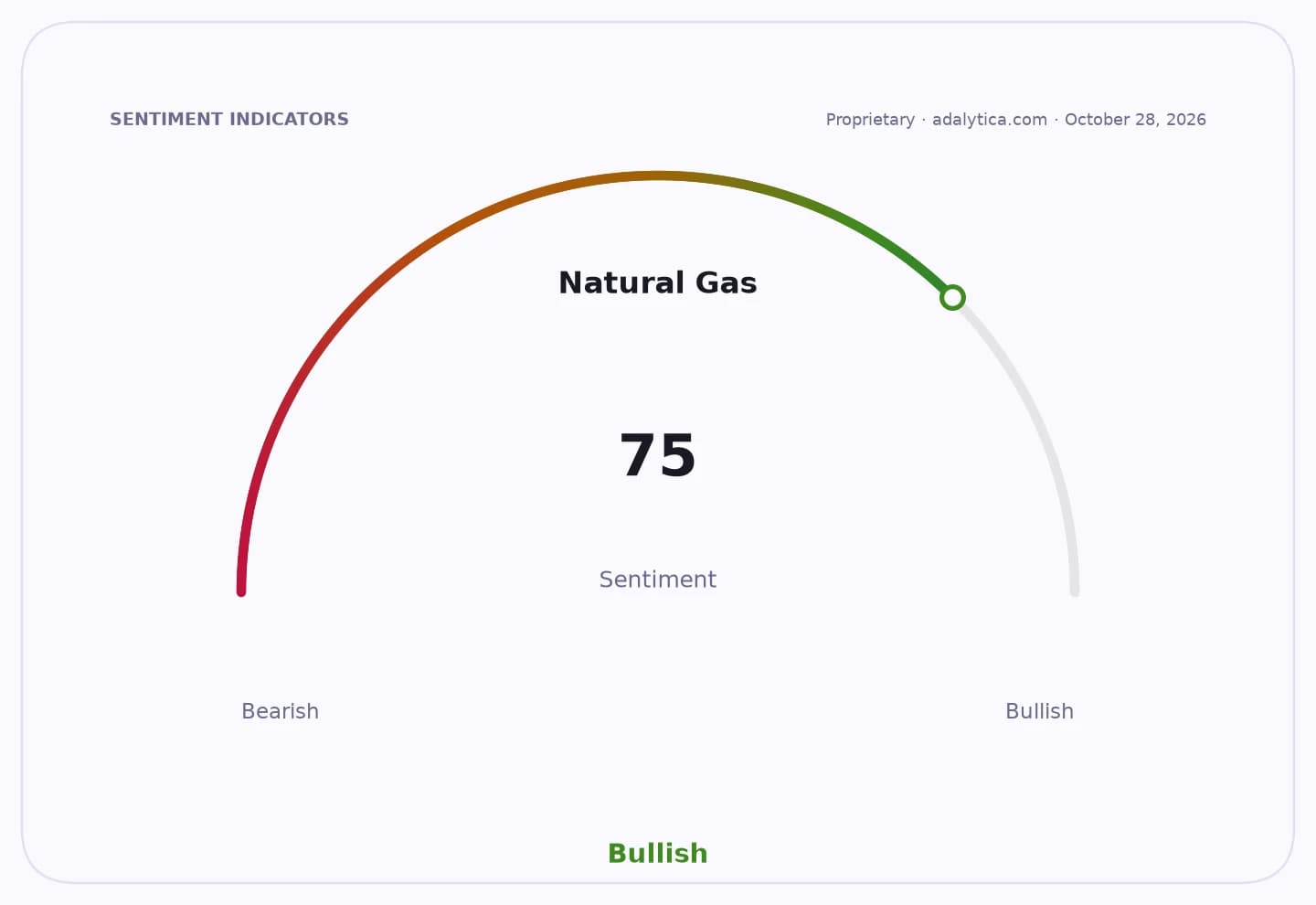
Sentiment Indicators
For Europe, the significance is less about one country hitting a quota than about the continuing need for public intervention to keep storage on track. Gas storage has become a core buffer against supply shocks since Russia’s pipeline flows collapsed, and the Netherlands — while not the bloc’s largest gas market — remains an important part of northwest Europe’s storage and trading system. When inventories run short, the pressure typically shows up first in benchmark gas prices, power costs and industrial margins.
The Dutch achievement follows a broader pattern across the continent: governments remain prepared to step in when market incentives fail to deliver sufficient stockpiles. Germany has already spent nearly 245 million euros to secure extra gas ahead of the 2026-27 winter, reflecting concern about low storage levels heading into the February-March period, when reserves are usually at their tightest. That caution comes even as Europe continues trying to replace Russian gas by 2026 and compete for LNG cargoes in a market still vulnerable to disruption.
For investors, the immediate takeaway is that storage progress reduces the risk of a sudden winter price spike, but it does not eliminate volatility. Gas producers, LNG exporters and utilities with flexible supply portfolios benefit when governments lean on the market to build inventories, while industrial users and gas-heavy utilities remain exposed if cold weather, LNG outages or further geopolitical shocks tighten balances again. The Dutch government’s plan to keep EBN on standby for the 2027-28 season, with a possible role to fill as much as 80 TWh if private operators fall short, suggests this interventionist backdrop is likely to persist.
The broader narrative is one of a European gas market that is better prepared than in the worst crisis years, but still not fully self-correcting. Storage targets can be met, yet only at a cost — and with governments still having to absorb risk the private sector is unwilling to carry.
| Entity | Gains | Losses |
|---|---|---|
| Dutch government / EBN | ▲Meets storage target | ▼Bears near-€1 bln cost |
| European gas market | ▲Lower winter shortage risk | ▼Ongoing intervention risk |
| Utilities and industrial users | ▲Reduced immediate supply shock risk | ▼Still exposed to price volatility |
| Private gas traders | ▲Less pressure to fill storage at any price | ▼Missed seasonal arbitrage opportunity |