Europe’s gas squeeze is tightening again, and the Netherlands just made it easier for traders to keep prices elevated by lowering its winter storage target to 64% from 74%.
Netherlands cuts winter gas storage target to 64%
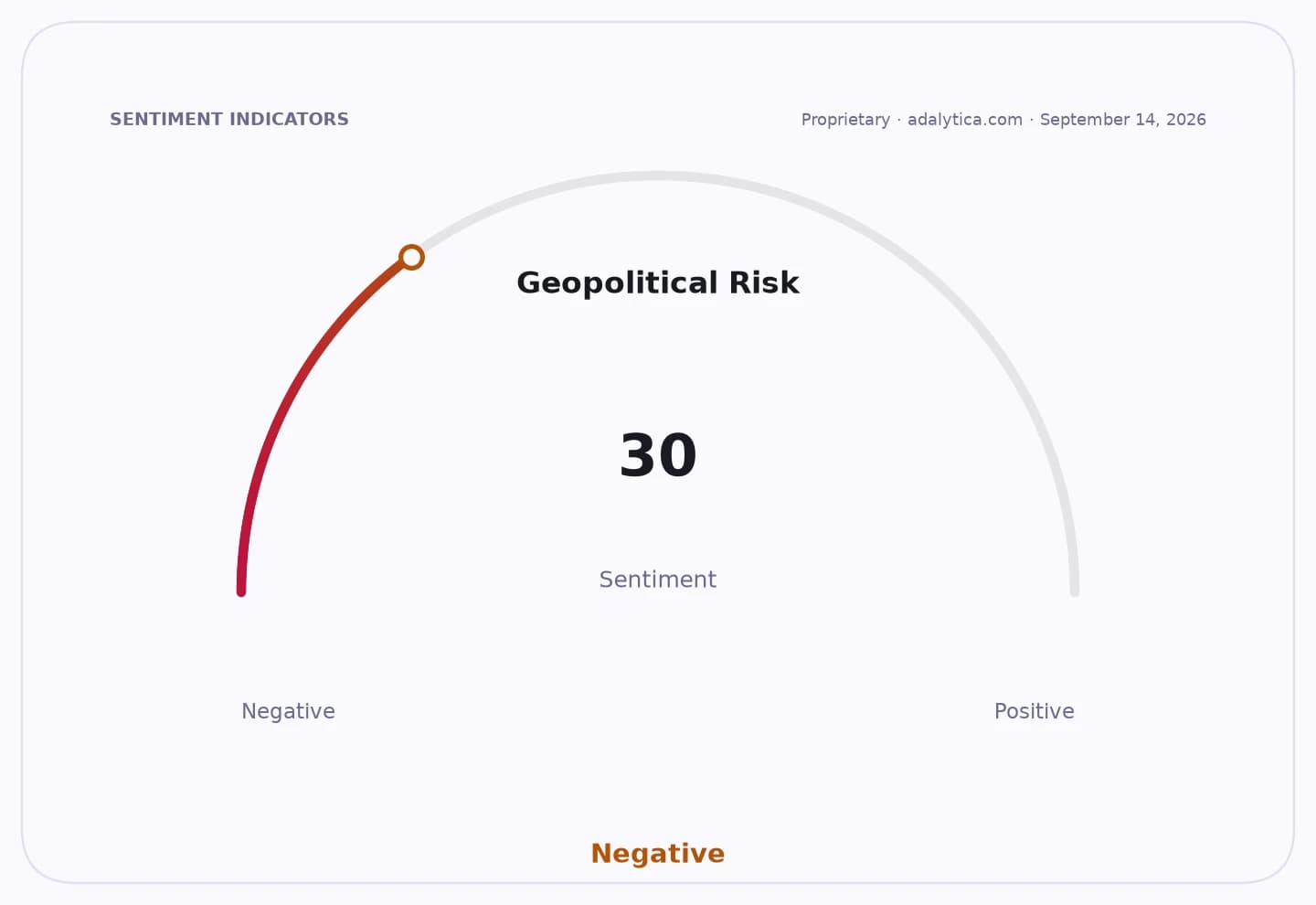
That matters because the Dutch storage system is a key buffer for northwest Europe, while the TTF hub in the Netherlands is the region’s benchmark gas price. When governments relax refill goals in a market already starved of supply, they may reduce the risk of buying frenzies later in the season, but they also leave the continent more exposed to a cold snap, another outage or further disruption to liquefied natural gas flows.
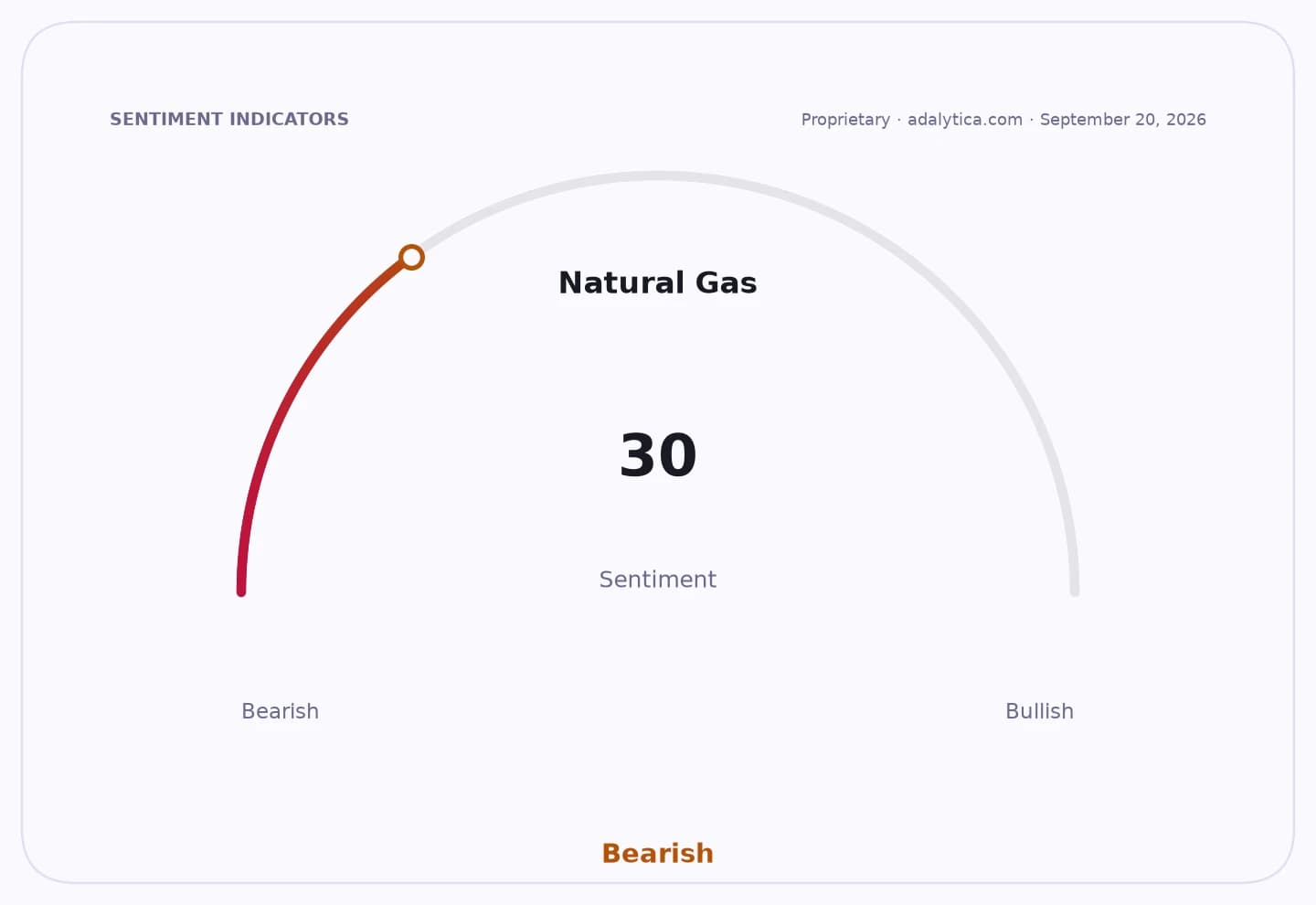
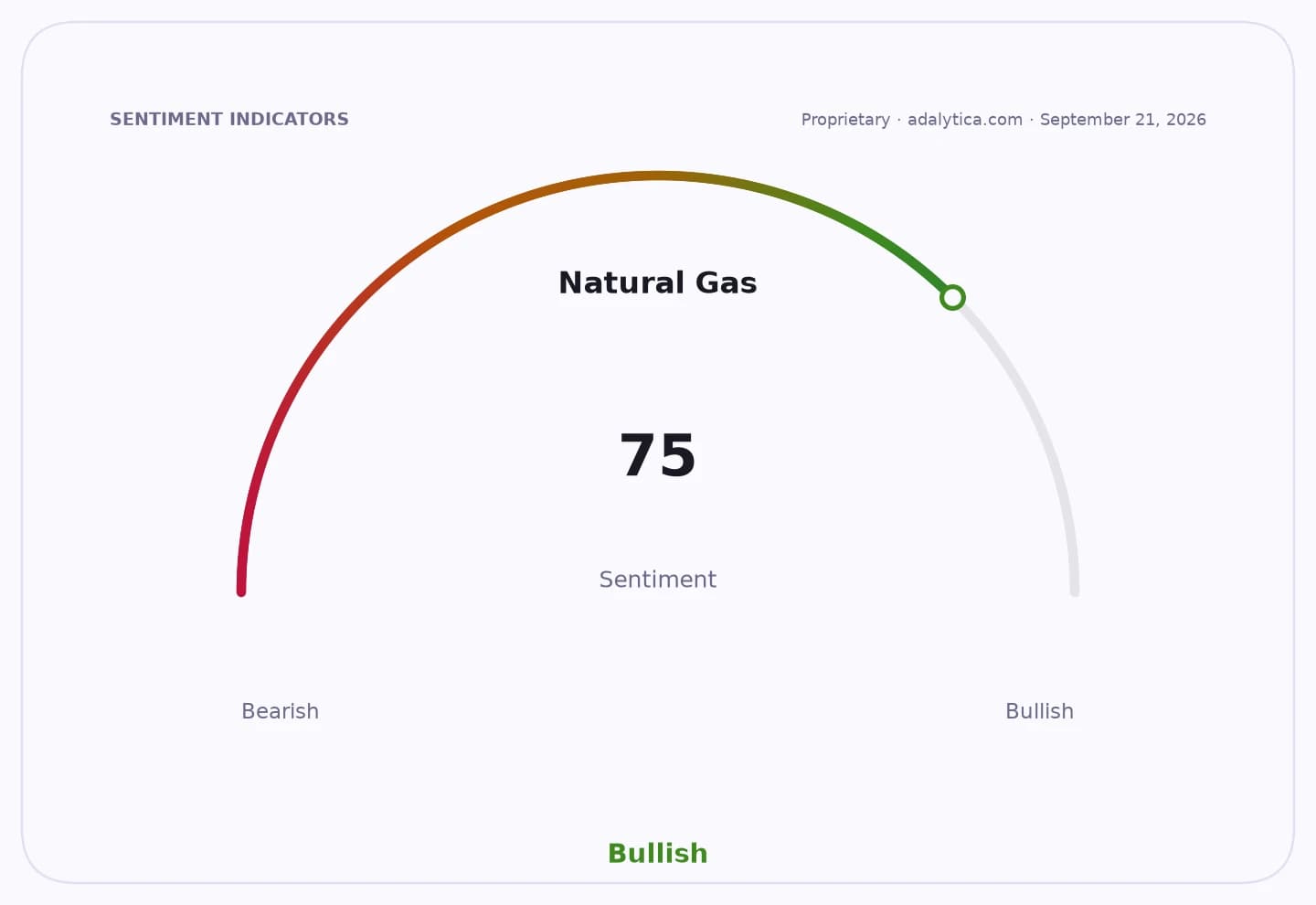
Sentiment IndicatorsⓘProprietary · adalytica.com · September 14, 2026
This is a snapshot — live sentiment, awareness and momentum for 130+ markets update continuously in the dashboard.Open AlphaPulse
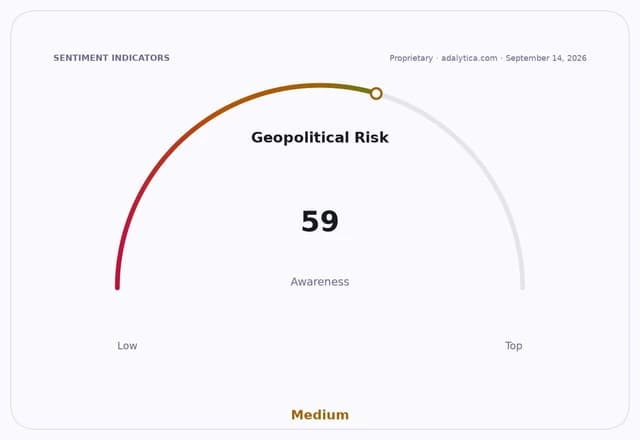
The immediate market message is that Europe is prioritizing price relief over maximum winter security. Dutch officials said the lower target, equal to about 93 terawatt-hours, should be enough for a normal winter after a summer in which high prices and war-related supply shocks made storage refill uneconomic. The country’s facilities are only about 52% full now, the lowest seasonal level at this time of year, underscoring how thin the margin is heading into winter.
Gas prices are already reflecting that fragility. The European benchmark was still trading near 80.45 euros per megawatt hour even after a 1.9% daily pullback, up more than 11% for the week and about 32% over the past month. That keeps the market close to its highest levels since late 2022, a level that can ripple through power bills, fertilizer costs, industrial production and household inflation across the region.
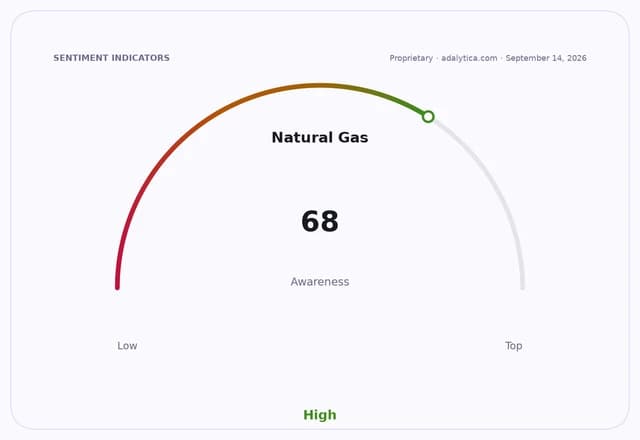
The larger narrative is straightforward: Europe’s energy system remains hostage to geopolitics and underinvestment in firm supply. Tighter flows through the Gulf, weaker LNG availability and lower storage refill rates are not isolated headlines; together they form a structurally bullish setup for gas prices and volatility. Even if the Netherlands is trying to smooth the market, the continent is still one cold spell away from a scramble for prompt cargoes.
For investors, that means the opportunity is not in chasing a short-lived dip in headline gas prices, but in positioning for a prolonged repricing of energy security. LNG exporters, shipping, storage and infrastructure assets remain the cleaner beneficiaries than utility consumers and energy-intensive manufacturers, which face the squeeze if winter turns harsh or supply disruptions persist. The trade is still early: this is a market rewarding resilience, flexibility and assets that can deliver gas when Europe needs it most.
| Entity | Gains | Losses |
|---|---|---|
| LNG exporters | ▲Higher prompt prices | ▼Fewer buyers if demand softens |
| Gas storage operators | ▲Greater strategic value | ▼Refilling becomes more costly |
| Energy infrastructure assets | ▲More scarcity premium | ▼Exposed to weather shocks |
| European industrial users | ▲Temporary price relief from lower target | ▼Higher risk of winter shortages |