A fresh debate over whether New Zealand should impose a maximum wage is intensifying after Xero chief executive Sukhinder Singh Cassidy received a pay package worth NZ$30.9 million, a level that has sharpened scrutiny of the gap between executive rewards and ordinary workers’ earnings.
New Zealand maximum wage debate after Xero pay
The issue matters economically because it goes straight to how income is distributed inside companies and how much firms pay to compete for talent. With the full-time minimum wage working out at about NZ$50,000 a year, Singh Cassidy’s package is more than 600 times that level, underscoring why pay inequality has become a political and social flashpoint even as companies argue they need global-calibre leaders to grow.
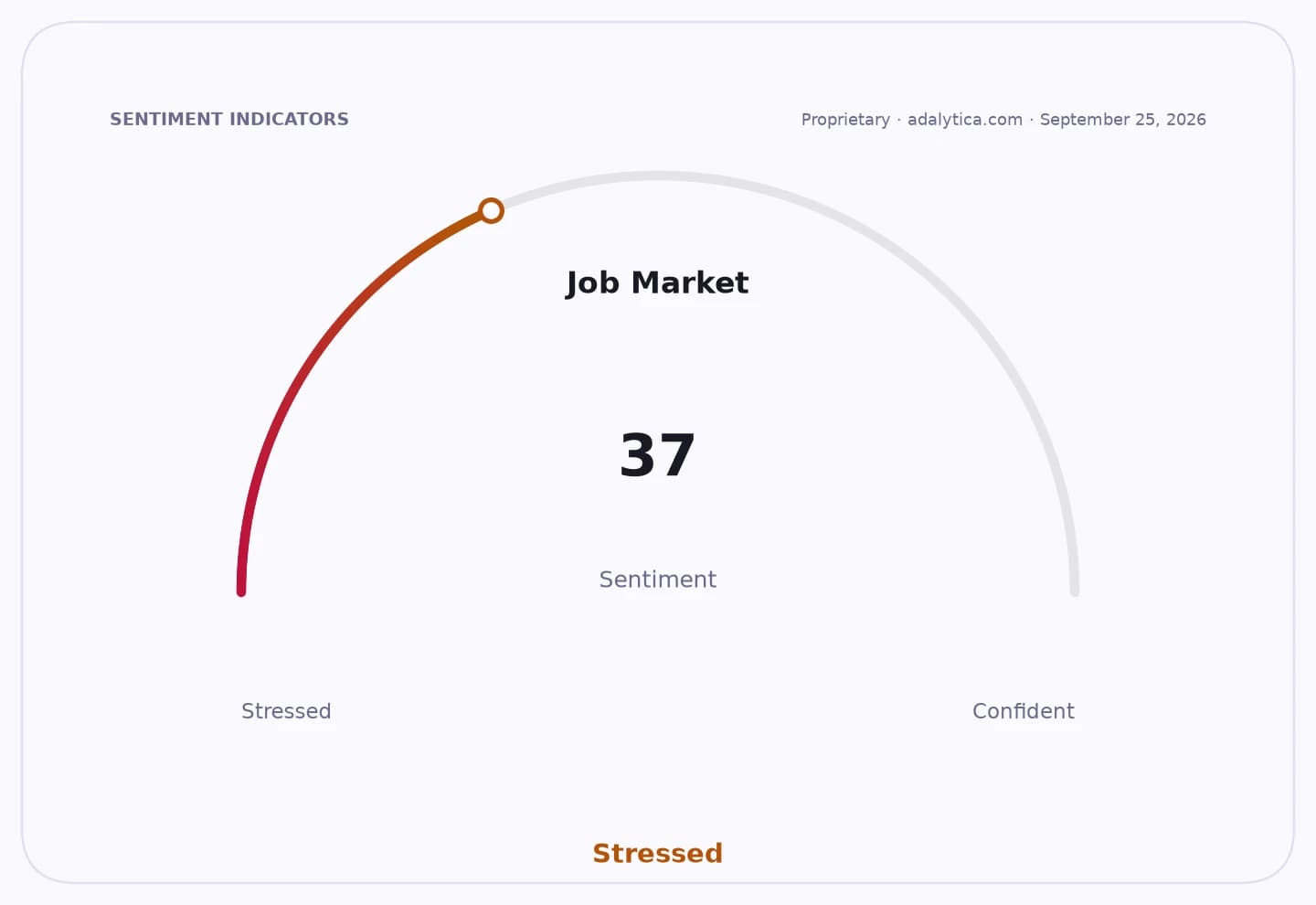
Sentiment IndicatorsⓘProprietary · adalytica.com · September 9, 2026
This is a snapshot — live sentiment, awareness and momentum for 130+ markets update continuously in the dashboard.Open AlphaPulse
The argument is not just about one executive. Gentrack chief Gary Miles has reportedly earned more than $17 million, while research cited in the debate shows global real worker pay fell 12% between 2019 and 2026 even as real chief executive pay rose 54%. In New Zealand, real worker pay slipped 1.3% from 2024 to 2025, while top CEOs increased pay by 45%, a widening gap likely to keep pressure on boards and politicians.
Critics of a hard cap say it would be hard for the government to decide what anyone should earn and could push internationally focused firms to relocate or reincorporate elsewhere. Max Rashbrooke, a researcher, said a more practical approach would be pay ratios that limit how much more a chief executive can earn than the average or lowest-paid employee, pointing to systems such as Mondragon’s eight-to-one ratio and Ben & Jerry’s former five-to-one cap.
That debate matters for investors because executive compensation affects margins, capital allocation and retention. NZ Initiative chief economist Eric Crampton said shareholders, not government, should decide whether pay is justified, arguing that overpaying executives reduces dividends while underpaying them risks losing the expertise needed to lift performance. Infometrics chief economist Brad Olsen said a wage cap could blunt incentives and encourage companies to headquarter elsewhere.
For markets, the story sits at the intersection of social policy and corporate governance: New Zealand’s relatively high minimum wage and persistent inequality make the politics of pay more sensitive, but firms say they need flexibility to compete in global markets. The next catalyst is likely to be whether lawmakers turn the maximum-wage idea into formal policy, or whether pressure instead shifts toward disclosure rules and pay-ratio limits.
| Entity | Gains | Losses |
|---|---|---|
| Low-paid workers | ▲Potentially higher relative pay | ▼Slower executive pay growth |
| Company boards | ▲Preserved pay-setting power | ▼Public scrutiny over compensation |
| Global firms in NZ | ▲Talent flexibility | ▼Risk of political intervention |
| Investors/shareholders | ▲Pay discipline if boards act | ▼Lower dividends if pay is excessive |