Nigeria’s lower house is advancing a bill to cap upfront rent in Abuja at 12 months, a move that could materially reduce the cash landlords and agents can extract from tenants in the capital and reset one of the country’s most expensive rental markets.
Nigeria House Advances Abuja Rent Cap Bill

The Federal Capital Territory Advance Rent Regulation and Tenants’ Protection Bill, 2026, passed second reading in the House of Representatives and would make it illegal for landlords, estate agents or property managers to demand more than one year’s rent in advance for residential and commercial property in the FCT. Lawmakers say the measure targets a market where tenants are often pushed into paying two years upfront, plus extra charges disguised as service fees, agreement fees or fake renewals.
Sentiment Indicators
For investors and property owners, the bill is significant because it goes beyond rent caps and directly attacks the fee structure that has helped sustain cash flow in Abuja’s housing market. It also seeks to regulate agency and agreement fees that tenants say can reach as much as 25% of rent, while creating a digital register for housing agents and a new enforcement authority empowered to order refunds within 30 days.
The legislation would impose fines of between N500,000 and N5 million on individuals and N5 million to N20 million on companies that breach the rules. That raises the stakes for landlords and real estate intermediaries in a city where rental practices have long been a source of complaints and informal pricing power.
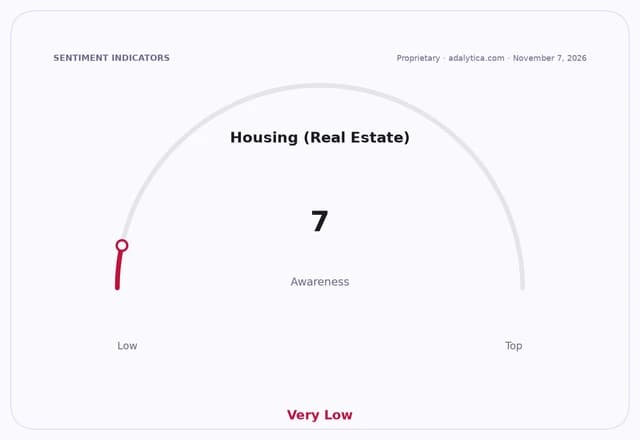
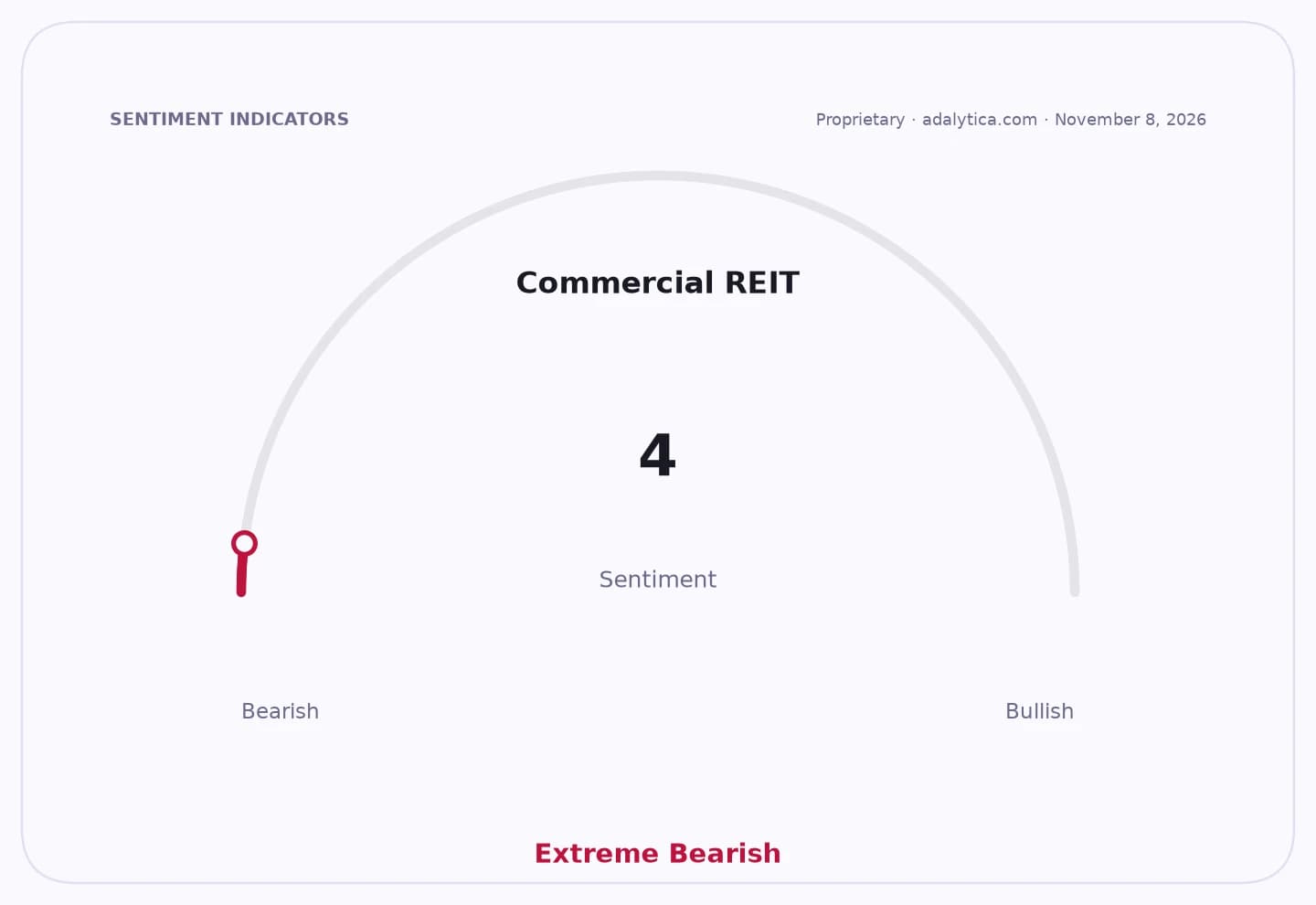
The move lands against a backdrop of worsening housing strain. Adalytica’s Housing Fear & Greed Index for the broader housing market sits at 4, or “Extreme Fear,” with awareness at 7, underscoring deep stress in the sector as affordability worsens and rental options tighten.
The measure still needs to clear further legislative steps before becoming law, but it points to a broader policy shift toward tighter tenant protections in Nigeria’s capital. If enacted and enforced, it could curb landlord pricing power, lower upfront housing costs for tenants and squeeze income streams for agents and property managers.
| Entity | Gains | Losses |
|---|---|---|
| Tenants in Abuja | ▲Lower upfront costs | ▼Less bargaining pressure |
| Landlords and agents | ▲Regulatory clarity | ▼Fee income capped |
| FCT authorities | ▲More oversight | ▼Enforcement burden |
| Housing market reformers | ▲Stronger tenant protections | ▼Slower fee-driven pricing |