American Homes 4 Rent is benefiting from a market that has become deeply fearful about housing just as the single-family rental landlord keeps showing it can push rents and protect occupancy.
American Homes 4 Rent benefits from housing fear

That combination matters because housing stress is not just a sentiment story — it is a cash-flow story. When would-be buyers are squeezed by affordability, financing costs and a soft residential backdrop, demand tends to shift toward rentals. That is exactly the kind of environment that supports owners of leased homes, especially platforms with scale, pricing power and diversified metro exposure.
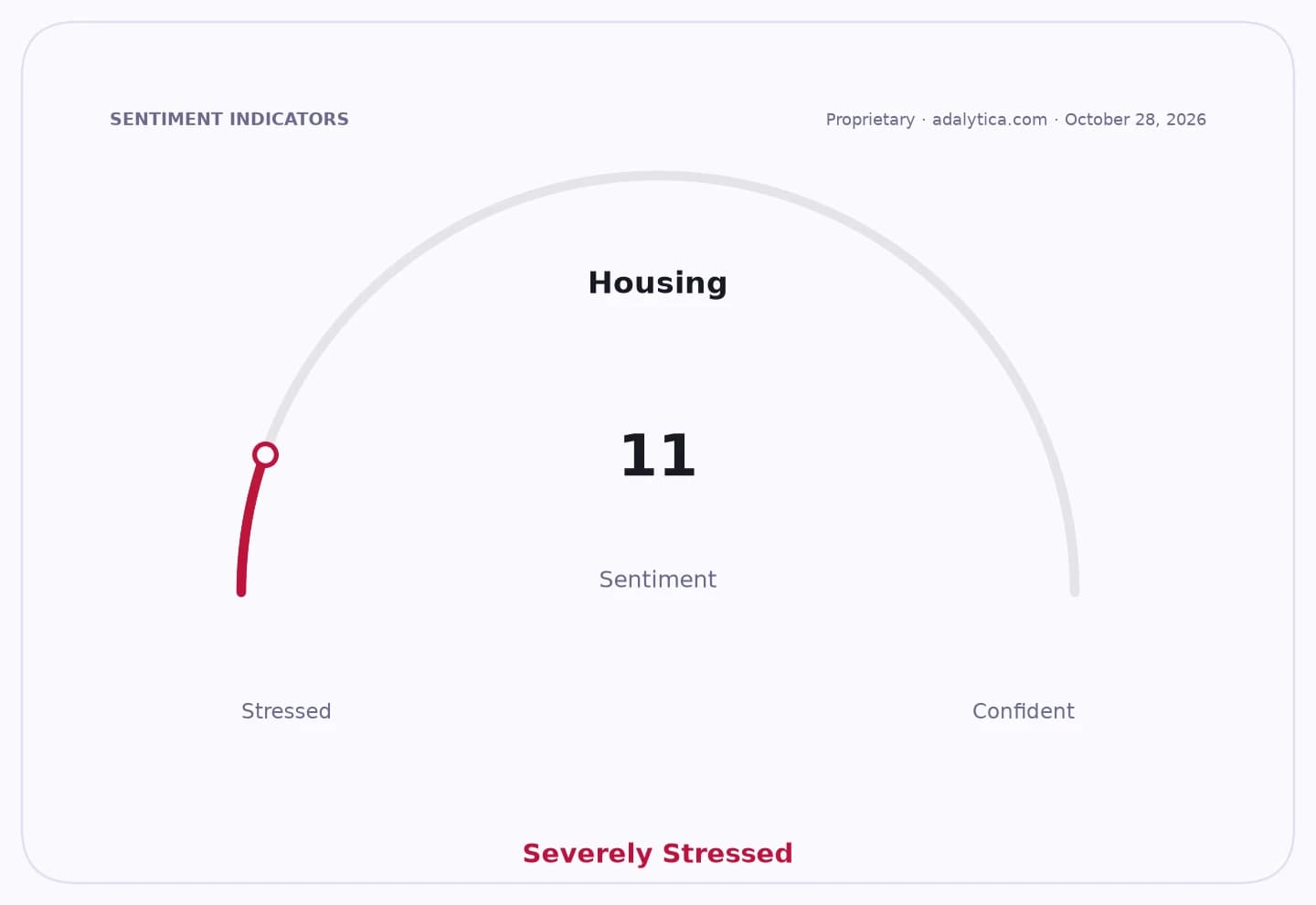
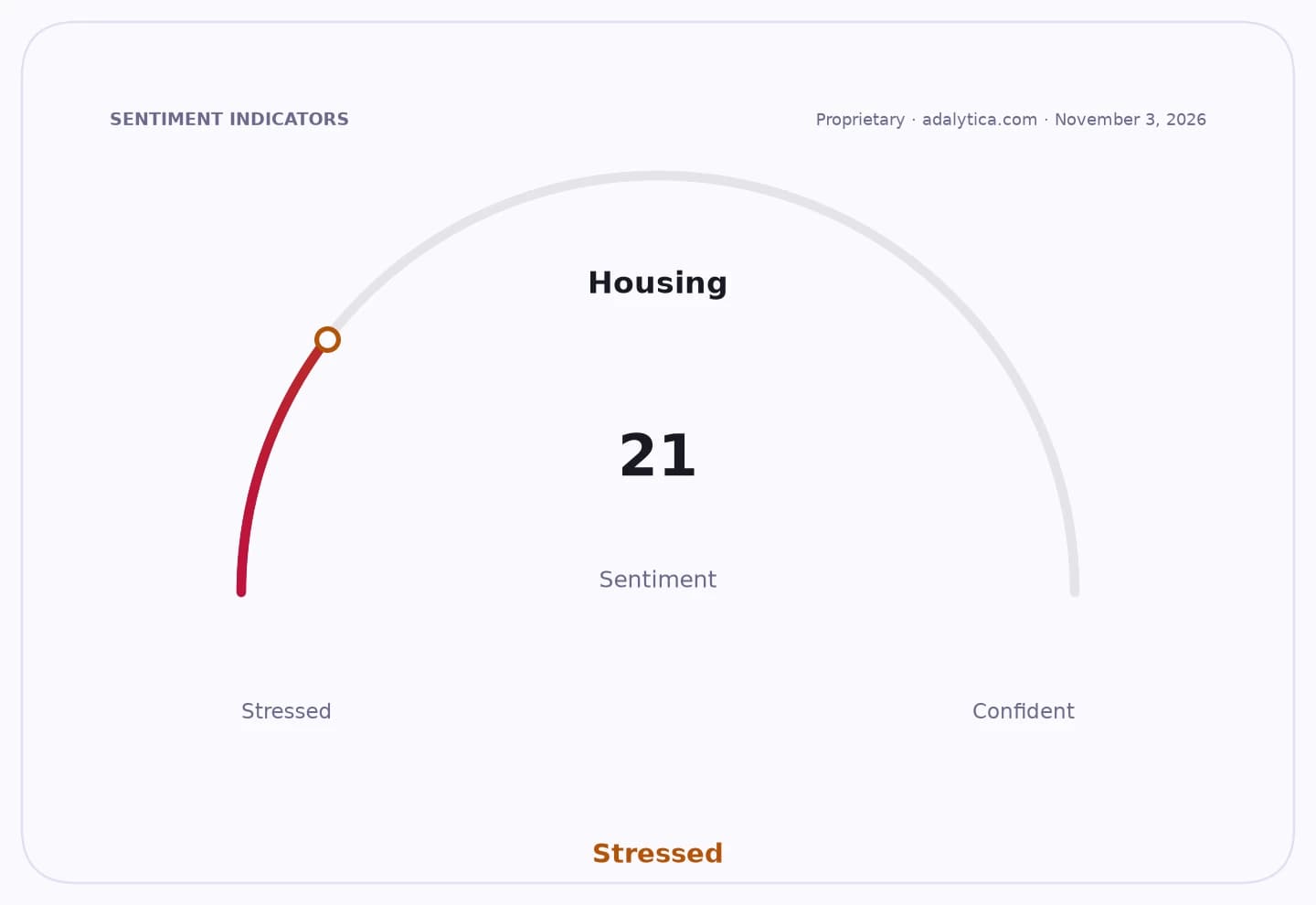
The broader housing mood is now flashing caution. Adalytica.com’s Housing Fear & Greed Index shows extreme fear at 14, down 55 points over the past 30 days, a sign that the market remains fragile even after a brief bounce earlier in the week. For investors, that kind of fear often creates the best entry points into rental names that can capitalize on housing lock-in and constrained supply.
AMH’s latest trading action reinforces the point. The stock closed at $32.82 on Nov. 6, above both its 50-day moving average of $31.39 and its 200-day moving average of $31.15, with RSI readings at 67.6 and a positive MACD. In plain terms, the shares are not in a collapsed trend — they are trading with momentum while the housing tape looks battered. That divergence is the setup investors should pay attention to.
The company’s own filings support the thesis. AMH said revenue depends on retaining tenants and increasing rental rates, and that rental rates and occupancy are influenced by macroeconomic conditions. That is the core of the trade: if ownership remains out of reach for many households, single-family rental operators can keep harvesting demand. AMH’s same-home rent figures across key Sun Belt markets underscore that pricing remains a live lever, not a theoretical one.
This is why the stock deserves to be viewed less as a generic REIT and more as a toll road on housing affordability. Every month that mortgage pressure persists, the rental pool stays larger. Every time the housing market wobbles, the value of professionally managed homes rises relative to scattered mom-and-pop inventory. That favors institutional landlords, especially those with scale, financing access and the ability to capture rent growth across multiple metros.
Investors should also note the relative setup versus the rest of housing. Builders and home-improvement names can be hit when buyers step back and turnover slows, while AMH can benefit from the same affordability squeeze. If housing fear stays elevated into year-end, capital could keep rotating toward cash-yielding rental platforms that can turn macro pain into steady revenue.
The takeaway: the market underestimates how powerful prolonged housing stress can be for single-family rental owners. AMH looks positioned to keep translating rental demand into earnings resilience, and that makes the stock worth owning as a defensive growth play inside a fragile housing cycle.
| Entity | Gains | Losses |
|---|