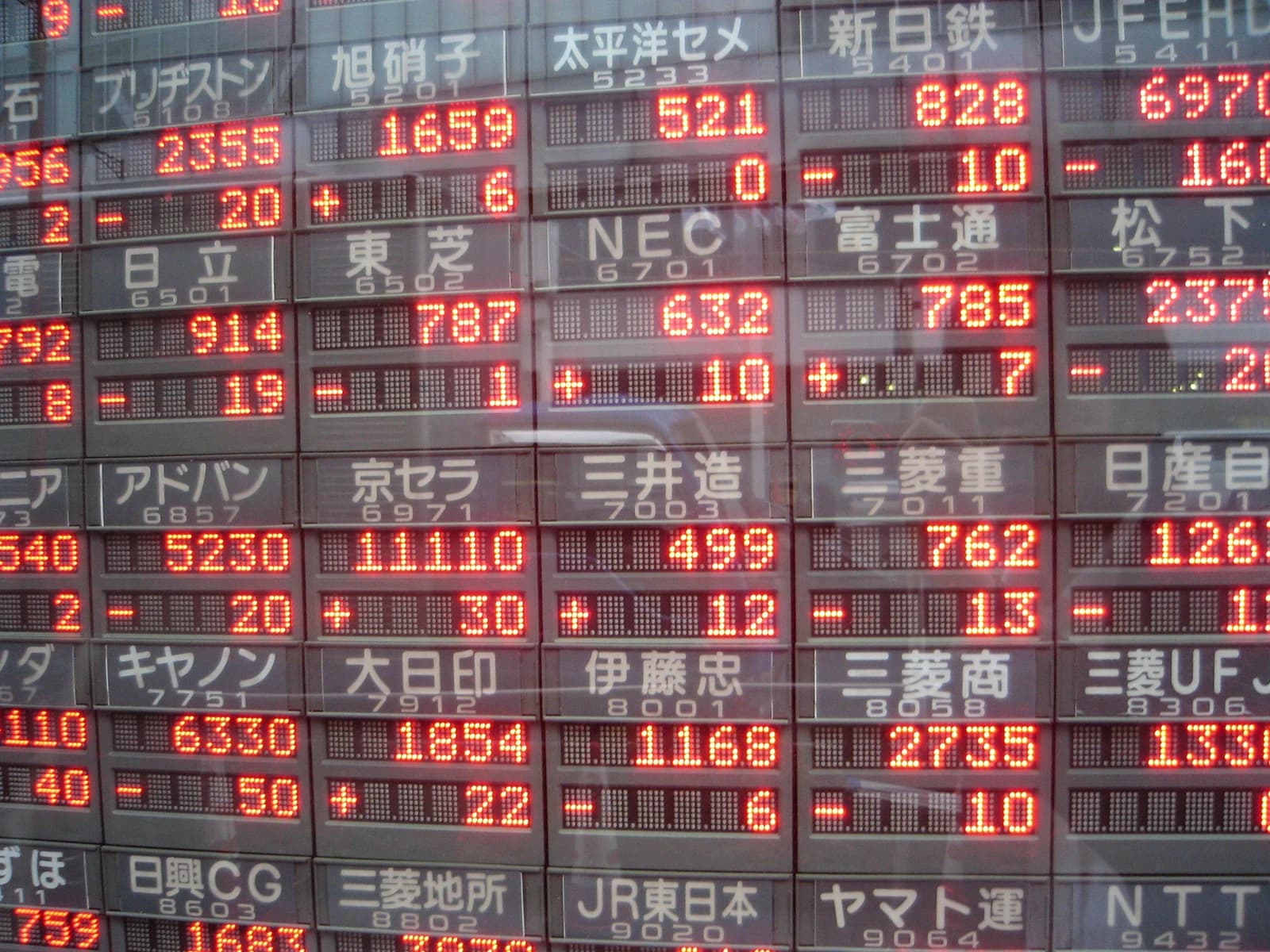
Japan’s Nikkei 225 surged 1.56% as renewed enthusiasm for artificial intelligence spending and a stronger-than-expected export base helped steer investors back into semiconductor-linked shares.
Nikkei 225 Rises on AI Spending and Exports
The move matters because it ties Japan’s equity rally to a real trade and industrial backdrop, not just sentiment. September exports rose 16.7% from a year earlier, extending a run of growth that underscores continuing overseas demand for chips and AI-related equipment even as broader global manufacturing remains uneven. For a market that has become increasingly sensitive to the AI capital-expenditure cycle, that combination is supportive: it suggests Japan’s exporters are still benefiting from demand for the components and tools powering the data-center buildout.
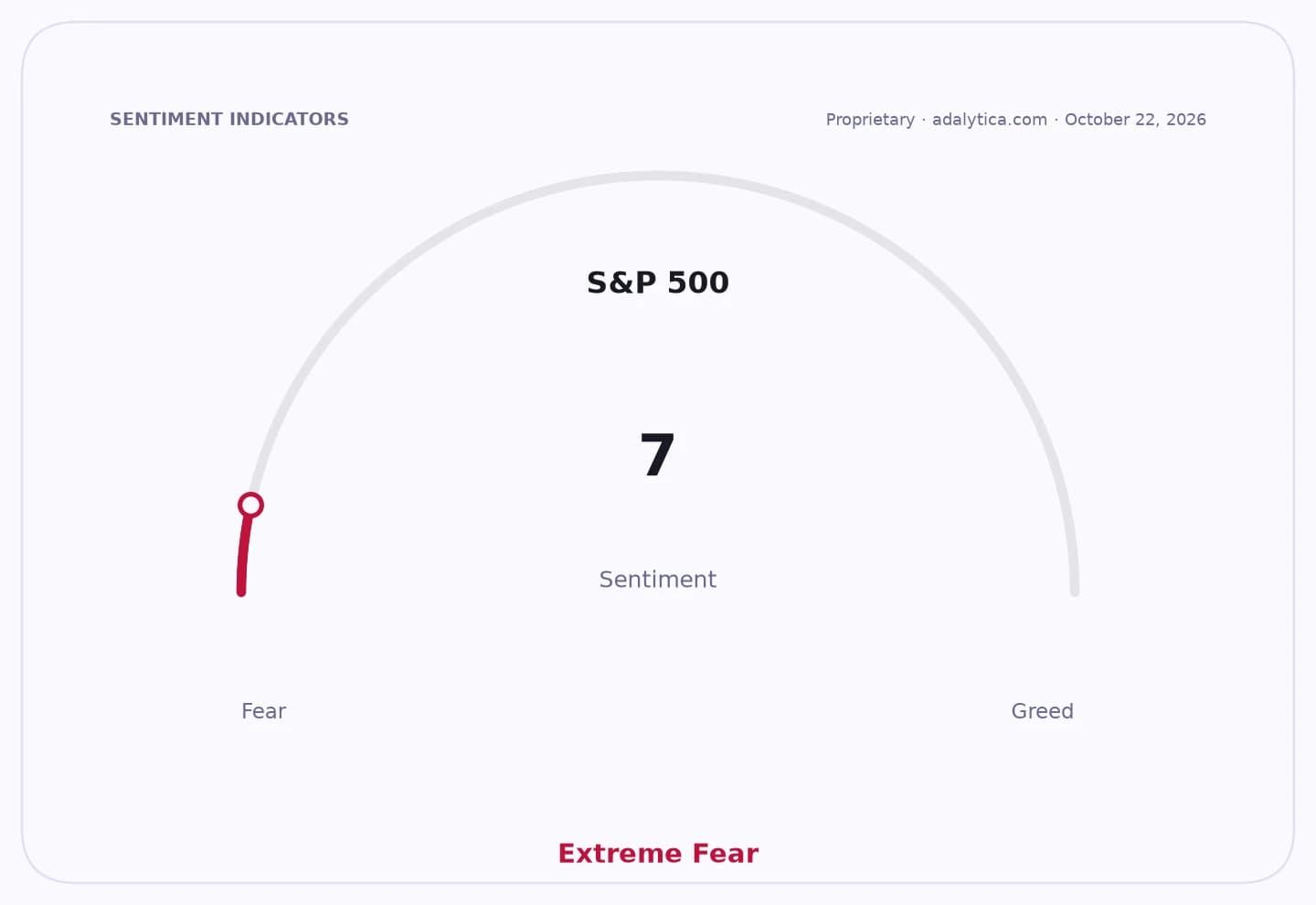
Sentiment Indicators
Chip and technology names were the main beneficiaries. Reuters reported that AI-related stocks gained after US equities rose overnight and after reports that ByteDance, Alibaba and Tencent had ordered more than 3 million Nvidia RTX PRO 5500 GPUs worth over $35 billion. That added fuel to a trade already underpinned by expectations that AI infrastructure spending will remain intense across the US and Asia, benefiting Japanese suppliers exposed to semiconductors, precision components and industrial equipment.
The Nikkei’s gains also fit a broader pattern in global markets, where investors have been rotating back into AI winners after bouts of volatility. In Japan, that has tended to amplify moves in the benchmark because semiconductor and electronics names carry significant index weight. The rally came despite export growth coming in below expectations, suggesting that the market is more focused on the direction of demand than on the pace of the monthly print.
Still, the move is not without risk. Japan’s export growth is being driven by a narrow set of high-value sectors, leaving the market vulnerable if AI spending slows, if US demand weakens or if supply-chain frictions worsen. Export controls on advanced chips remain a live issue, while shortages of key materials and policy shifts between the US and China could alter the investment case quickly.
For investors, the key question is whether the AI trade remains an earnings story or becomes a valuation story. For now, the data and the tape are pointing the same way: Japanese chip exposure is still in favor, and the Nikkei is trading as if the AI investment cycle has further room to run.
| Entity | Gains | Losses |
|---|---|---|
| Nikkei 225 | ▲Broader index inflows | ▼Defensive sectors |
| Japan chip exporters | ▲Stronger AI demand | ▼Trade-sensitive margins if costs rise |
| Nvidia-linked suppliers | ▲Higher equipment orders | ▼Short sellers |
| Importers of tech components | ▲Easier supply expectations | ▼Buyers exposed to higher valuations |