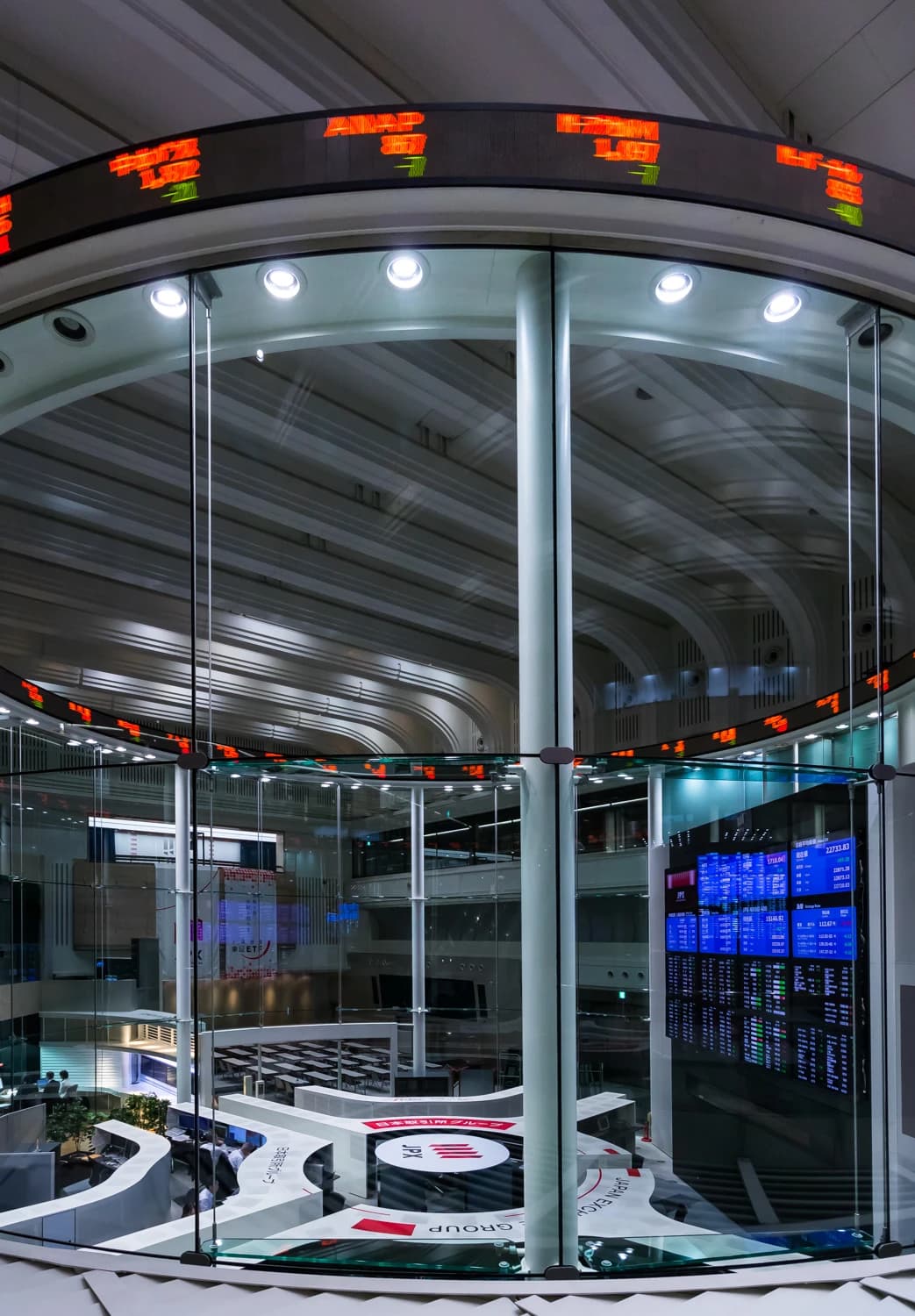
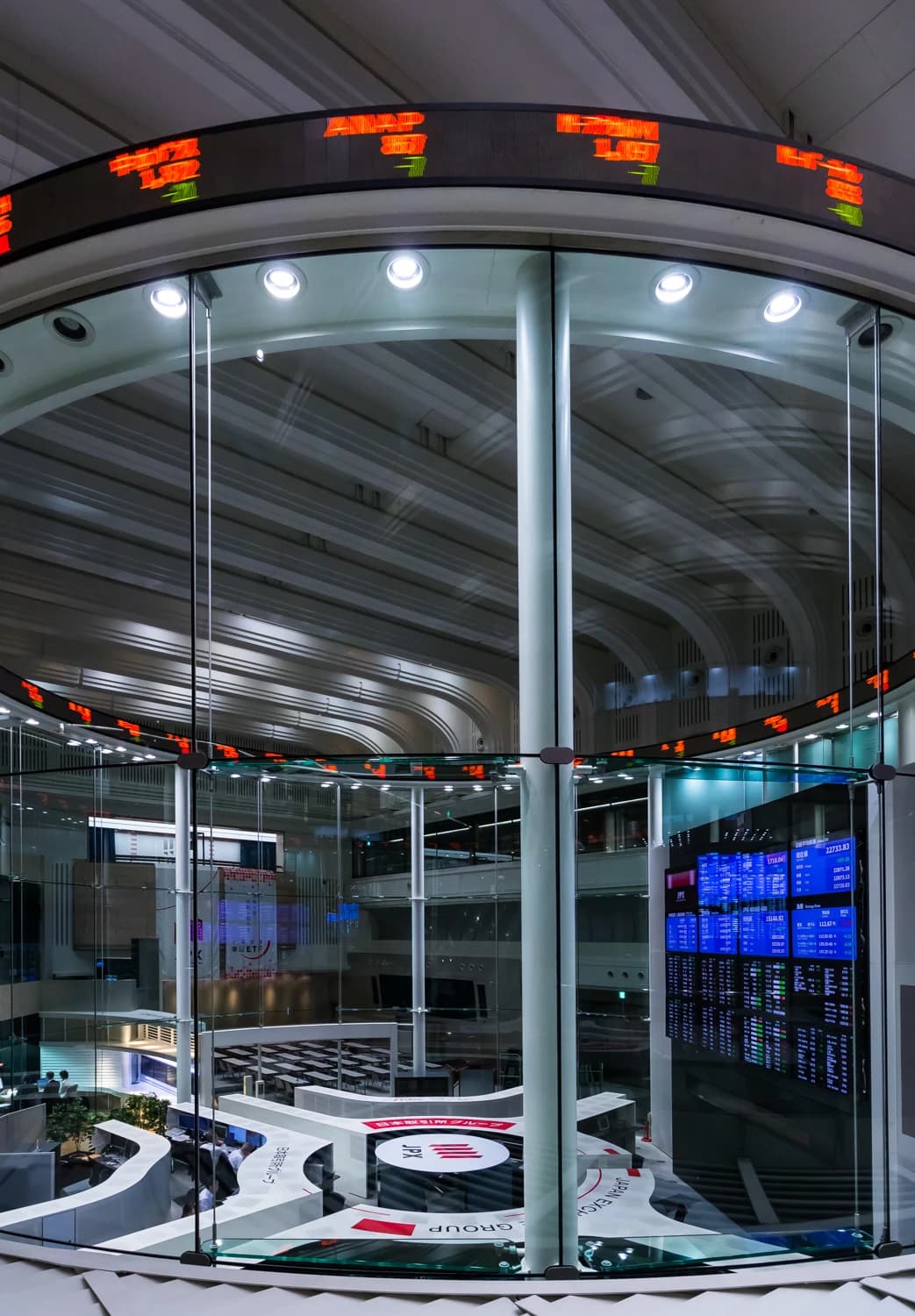
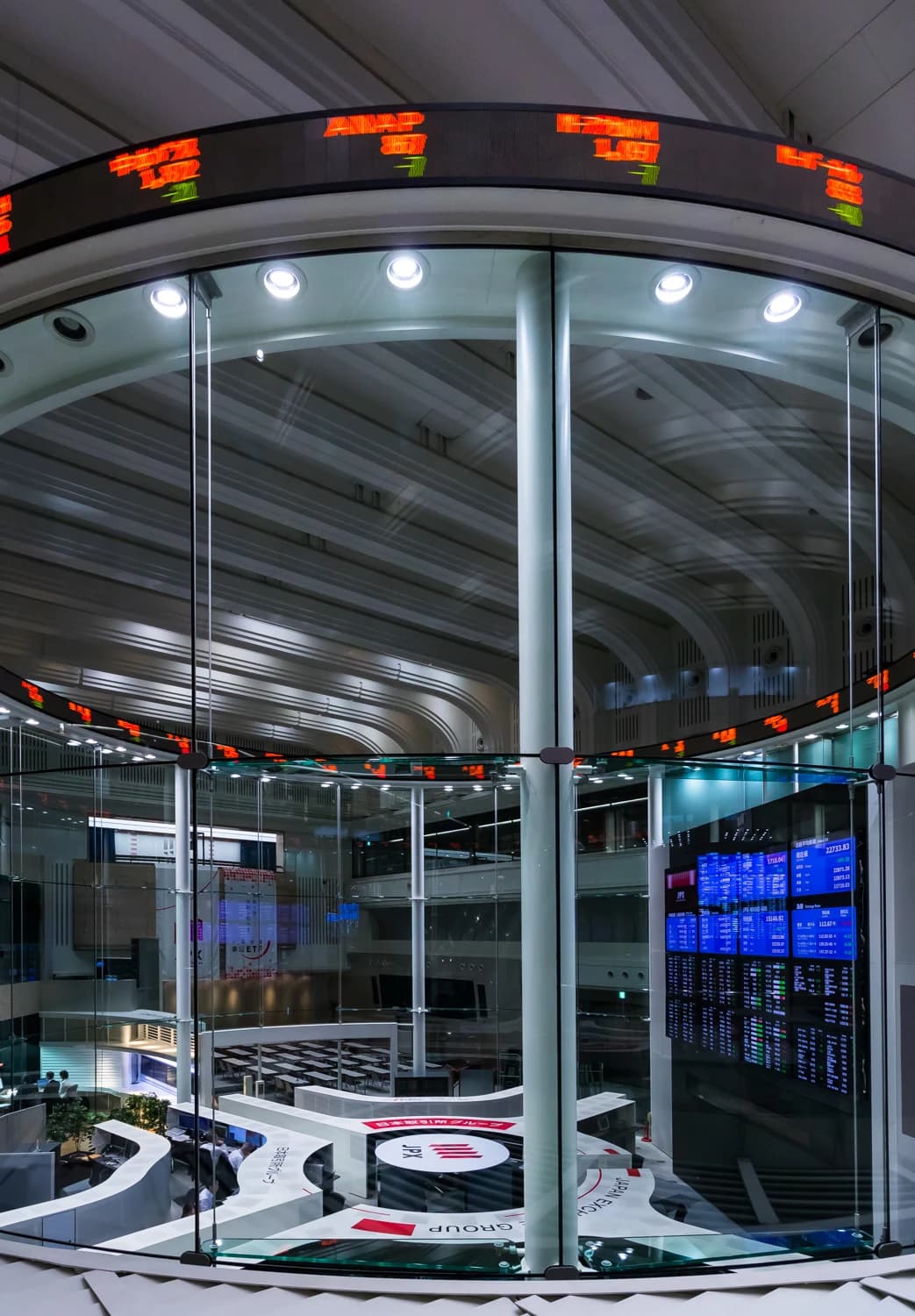
Tokyo stocks snapped a six-day losing streak on Thursday, with the Nikkei 225 closing up 1.39% as investors stepped back in to buy beaten-down AI and semiconductor shares after a sharp global rout.
Nikkei 225 Rises 1.39% After AI Stock Rout
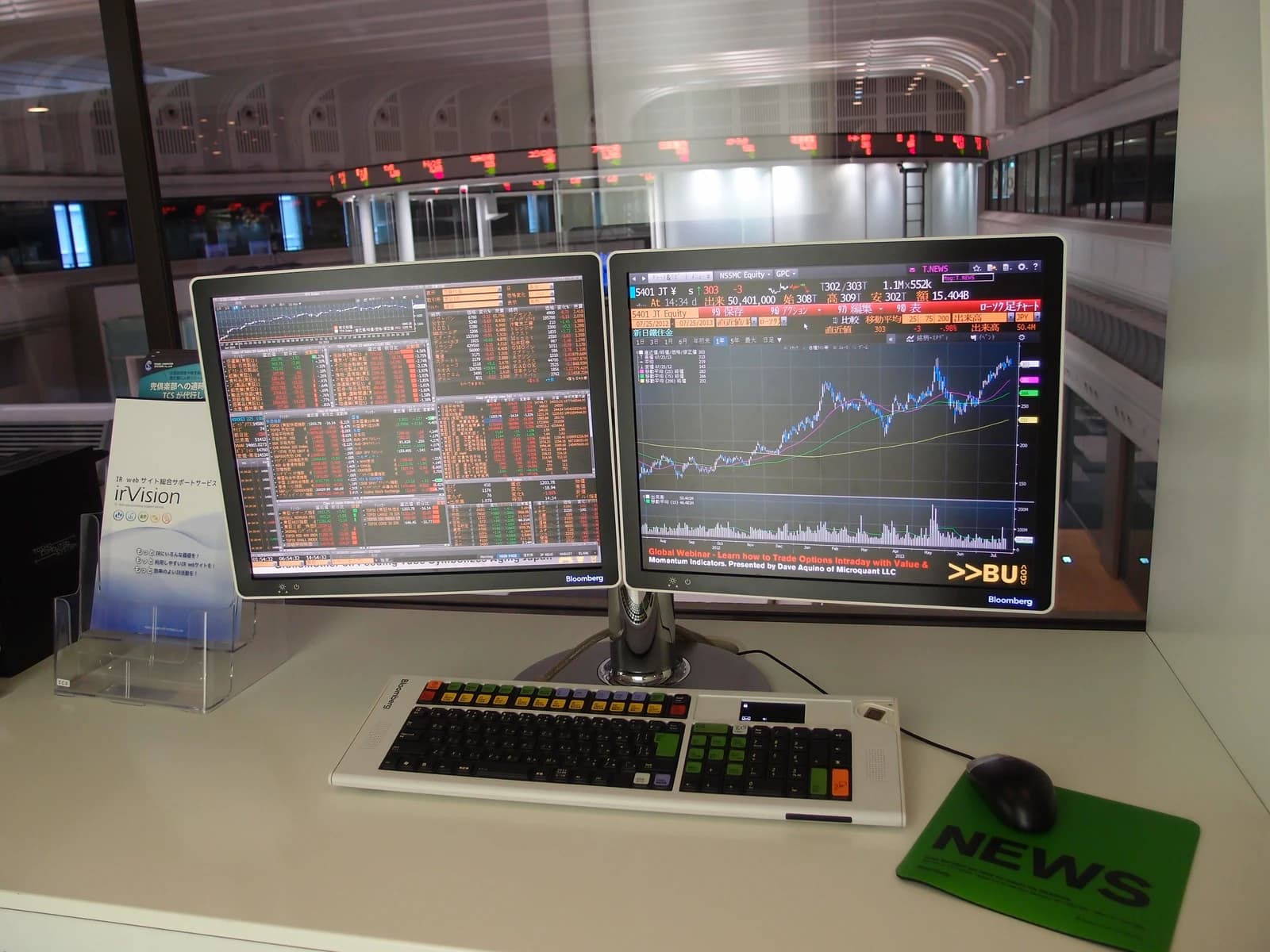
That rebound matters because it shows the market is not yet in a full-blown breakdown — but it also underscores how dependent Japan’s rally has become on a narrow, crowded trade tied to artificial intelligence hardware and data-center spending. When those names wobble, the entire index wobbles with them.
Sentiment Indicators
The Nikkei finished at 65,324.29, up 898.34 points after tumbling more than 3,300 points the previous day, one of its biggest single-session point losses on record. Thursday’s bounce was broad-based, with machinery, insurers and transportation equipment stocks leading gains, while traders said bargain hunting returned across most industries after the prior day’s heavy global selloff.
The trigger was not just domestic. Traders pointed to rising concerns over the swelling debt burden of U.S. data-center operator CoreWeave, which helped hammer AI-linked stocks globally and dragged Japanese chip and hardware names lower. That matters for investors because Japan has become one of the clearest liquid proxies for the global AI buildout: if capital markets start to question the economics of AI infrastructure, Tokyo’s exporters and equipment makers are among the first to feel it.
Even after Thursday’s rebound, the recovery looked tentative. The Nikkei had fallen more than 6,200 points over the prior six sessions, and traders said the bounce in AI and chip shares remained limited as investors still question the profitability of the sector’s rapid capex cycle. In other words, the market is buying the dip, but not yet restoring conviction.
That is why this move is more important than a simple one-day bounce. Japan’s equity market has been priced as a leveraged play on global tech spending, yen moves and cyclical industrial demand. If the AI trade stabilizes, the Nikkei can quickly recover lost ground. If earnings from major chip and software names fail to justify the spending boom, the recent selloff may only be a reset, not the end of the correction.
Nomura strategist Maki Sawada said the volatility was typical ahead of earnings season and reflected a more cautious, risk-off stance among investors. That sets up the next catalyst: results. A round of strong corporate reports could ease fears about AI monetization and pull sidelined money back into Tokyo’s tech-heavy market. Until then, the market is likely to remain vulnerable to every new headline on AI financing, U.S. rates and global risk appetite.
For investors, the message is clear: the Nikkei’s rebound is tradable, but the bigger opportunity lies in waiting for confirmation that AI demand is still translating into earnings and cash flow. If that confirmation arrives, the next leg higher could be powerful. If not, today’s bounce may prove to be just another pause in a larger correction.
| Entity | Gains | Losses |
|---|---|---|
| Nikkei 225 buyers | ▲Dip-rebound opportunity | ▼Near-term volatility |
| AI and chip stocks | ▲Short-covering support | ▼Profitability doubts |
| Exporters and machinery names | ▲Broad rotation inflows | ▼Tech-specific de-risking |
| Short sellers | ▲Limited relief | ▼Sharp reversal risk |