The Nikkei briefly punched above 70,000 on Monday for the first time since early July, underscoring how quickly Japan’s stock market can reprice when global rate fears ease and technology shares take the lead.
Nikkei Briefly Tops 70,000 as Tech Leads Rally
That matters because the Nikkei’s move was not just a headline-grabbing round number. It reflected a broader shift in investor psychology: lower expectations for another near-term Federal Reserve rate hike helped lift Wall Street at the end of last week, and that risk-on tone spilled into Tokyo. For investors, the key question is whether this is another short-lived burst of momentum or the next leg of a longer bull market built on Japan’s improving corporate earnings, a more supportive policy backdrop and sustained demand for semiconductors and other technology names.
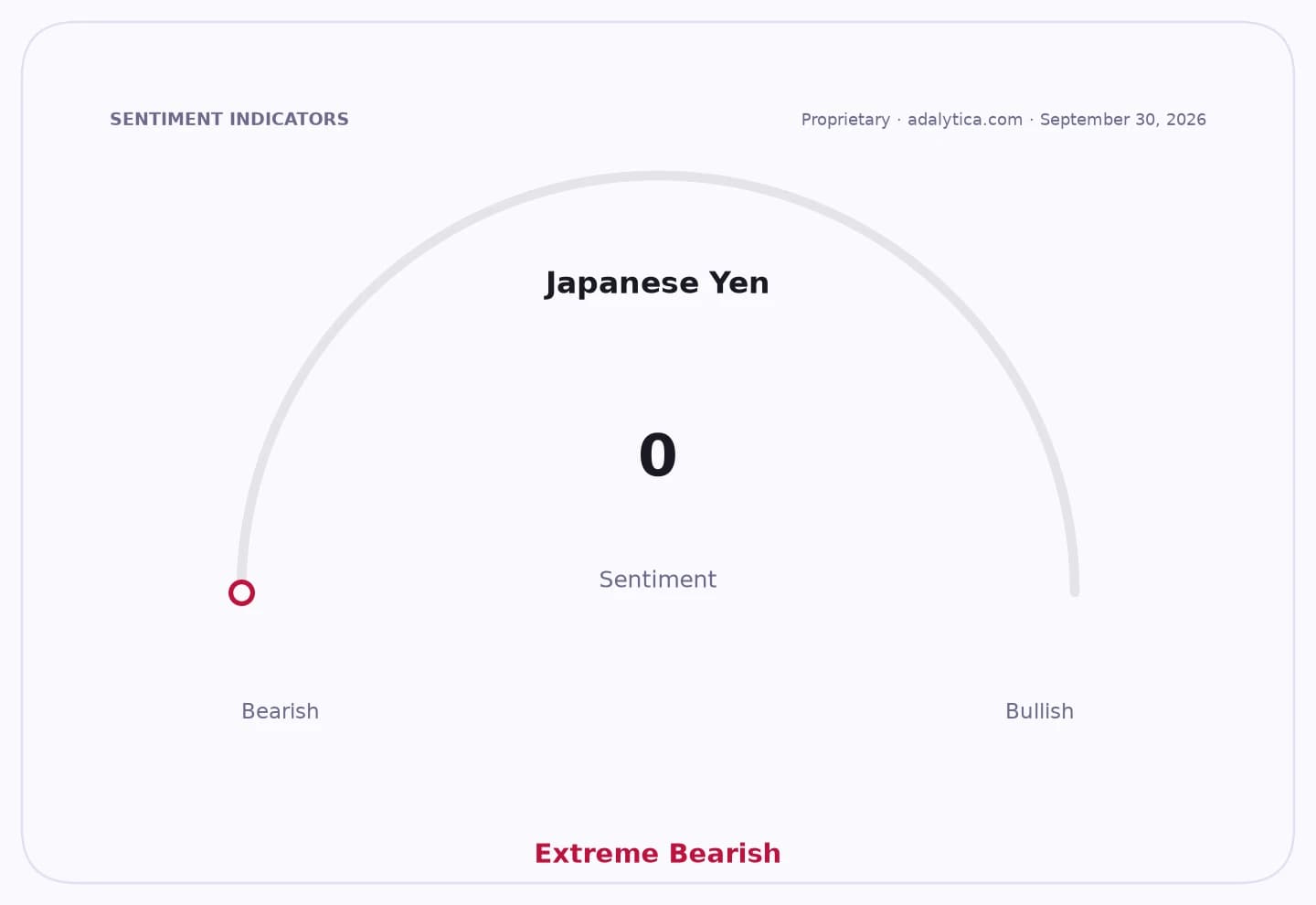
Sentiment IndicatorsⓘProprietary · adalytica.com · October 6, 2026
This is a snapshot — live sentiment, awareness and momentum for 130+ markets update continuously in the dashboard.Open AlphaPulse
By the close, the Nikkei 225 had settled at 69,946.86, up 2.4% or 1,637.40 points, after peaking above the 70,000 mark intraday. The broader Topix rose 1.33% to 4,145.22, its highest since Sept. 1, with advancing shares narrowly outnumbering decliners on the Tokyo exchange. That kind of breadth matters: it suggests the rally was not confined to a handful of heavyweight names, even if technology remained the main engine.
Renesas Electronics, TDK and Disco were among the Nikkei’s best performers, while sectors such as electrical equipment, glass and ceramics, and chemicals also led gains on the Prime Market. Those are the kinds of industries that tend to benefit when investors are willing to pay up for global growth exposure and the artificial intelligence supply chain. If the market is right that U.S. rates have peaked, the discount rate on future earnings falls — and that is especially helpful for long-duration growth stocks.
The move also arrived alongside a decline in West Texas Intermediate futures after the Group of Seven agreed to release 100 million barrels of diesel and crude from emergency reserves, helping ease some inflation anxiety. At the same time, Japan’s new political leadership did not appear to unsettle traders. Prime Minister Sanae Takaichi’s afternoon speech was broadly in line with expectations, allowing markets to stay focused on liquidity and earnings rather than domestic policy surprises.
There is still a technical story here as well. A Nomura Securities strategist said the Nikkei’s trend had changed after the index broke out of a recent downtrend, and the price action supports that view: the index now sits well above its 50-day moving average, while momentum readings remain elevated. But investors should not mistake technical strength for inevitability. The Nikkei slipped back below 70,000 later in the session as some traders locked in gains, a reminder that round numbers can attract profit-taking as well as fresh buyers.
For long-term investors, the bigger lesson is that Japan’s market is increasingly being driven by global forces — U.S. rate expectations, chip demand, energy prices and currency moves — as much as by domestic headlines. That creates volatility, but it also creates opportunity. If Japan’s companies continue to improve shareholder returns and deliver earnings growth, bouts of weakness may be buying windows rather than warning signs. For now, the Nikkei’s latest push above 70,000 keeps the market on watchlists worldwide.
| Entity | Gains | Losses |
|---|---|---|
| Nikkei 225 bulls | ▲Momentum and breakout narrative | ▼Profit-takers near 70,000 |
| Japanese tech exporters | ▲Softer rate fears, risk-on buying | ▼Value sectors lagging the rally |
| U.S. rate-cut hopefuls | ▲Lower discount-rate expectations | ▼Fed hawks |
| Nikkei shorts | ▲Short squeeze risk | ▼Bearish bets on Japan equities |