NIKKEI OFFICE PASS is leaning into one of the clearest long-term shifts in the labor market: workers and companies no longer need a single office to get work done. By giving users access to partner workspaces across Japan, the service turns flexible work into a practical utility rather than a perk, and that matters for employers trying to keep teams productive without signing expensive long leases.
NIKKEI OFFICE PASS expands flexible workspace access
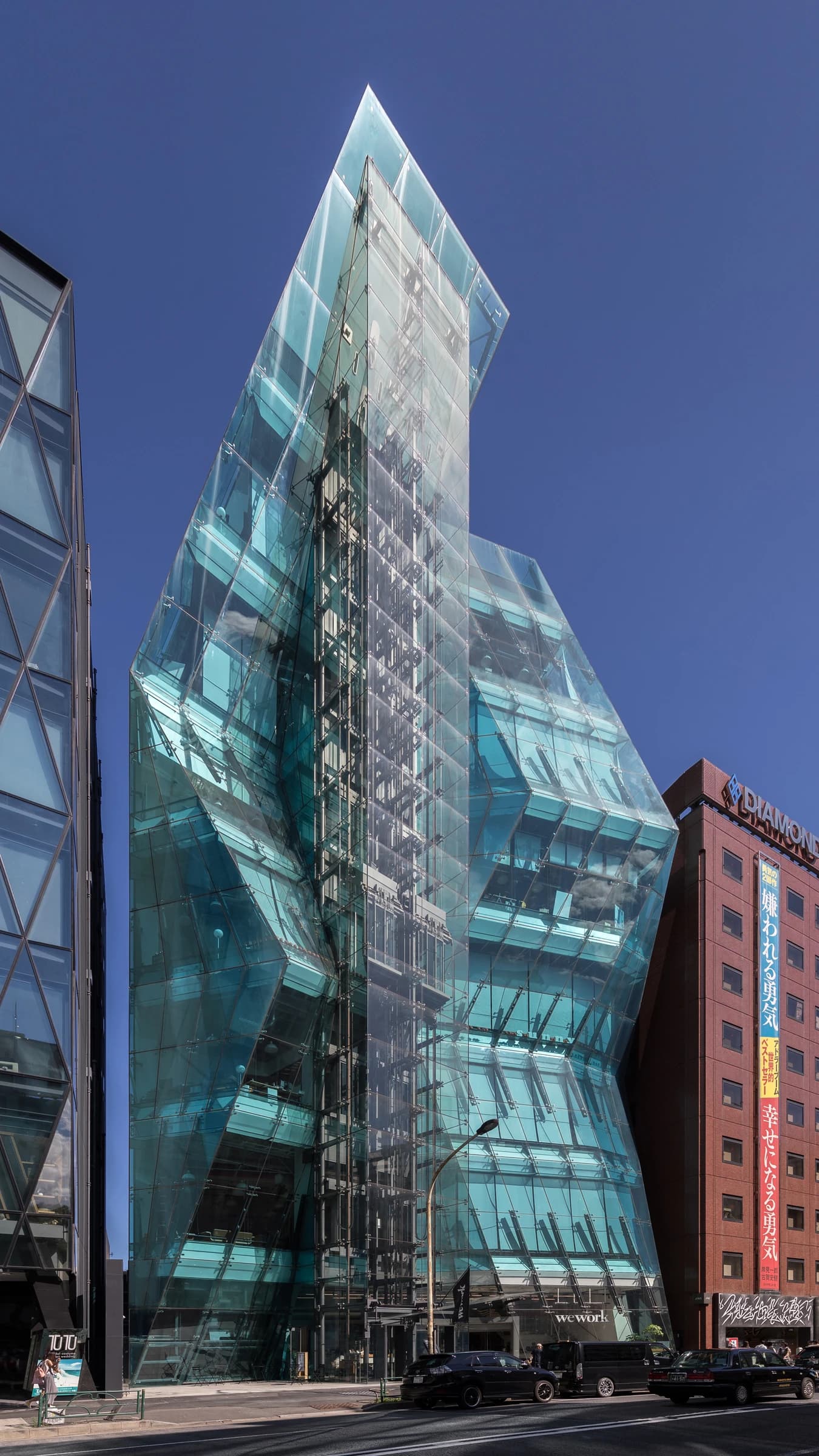
The economic case is straightforward. Hybrid work has created demand for “just-in-time” workspaces close to where employees are traveling, commuting or meeting clients. NIKKEI OFFICE PASS says its network spans all 47 prefectures, with more than 600 locations in the greater Tokyo area, over 700 sites offering free private rooms or phone booths and more than 900 locations where online meetings can be done from a desk. That kind of coverage lowers the friction of remote work, especially for companies with dispersed operations, frequent business travel or field teams that need quiet, professional spaces on demand.
Sentiment IndicatorsⓘProprietary · adalytica.com · October 10, 2026
This is a snapshot — live sentiment, awareness and momentum for 130+ markets update continuously in the dashboard.Open AlphaPulse
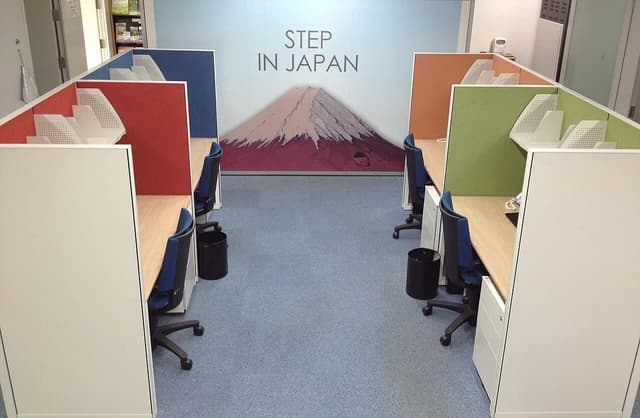
For investors, the story is less about a flashy new product than about a durable revenue model built on recurring usage. The pass uses a per-check-in billing system for organizations, which helps align cost with actual demand and can be more attractive than fixed office overhead. That is exactly the kind of structure that benefits platforms in a fragmented market: if businesses continue to trim real estate and employees keep expecting flexibility, networked workspace services can keep gaining share.
The broader significance goes beyond one brand. Japan’s office market is still adjusting to changing work habits, and services that bridge the gap between home, headquarters and client site can capture spending that used to be locked into traditional leases. That is good news for workspace operators, coworking landlords and digital tools that simplify access and administration. It is also a reminder that “office” is becoming less of a place and more of a service.
For long-term investors, the key question is whether this is a one-off convenience product or part of a bigger operating-system shift in corporate real estate. The evidence suggests the latter. As companies look to stay lean, retain talent and support mobile teams, flexible workspace access should remain in demand. That makes NIKKEI OFFICE PASS worth watching as a small but telling example of how work, and the economics around it, are continuing to change.
| Entity | Gains | Losses |
|---|---|---|
| NIKKEI OFFICE PASS | ▲More usage and reach | ▼Fixed-office dependence |
| Employers with mobile teams | ▲Lower overhead, more flexibility | ▼Long-term lease rigidity |
| Workspace operators | ▲More occupancy and demand | ▼Empty traditional offices |
| Traditional landlords | ▲Stable ancillary demand | ▼Premium office lock-in |