A Swedish landlord is discounting rent by SEK 2,000 a month and offering three months of free public-transport passes to fill newly built apartments in Kungsängen, a sign that the country’s housing shortage is colliding with an affordability crunch that is leaving expensive new units empty.
Sweden landlord cuts rent in Kungsängen apartments
That tension matters because it shows the market is not short of homes everywhere — it is short of homes people can afford. In parts of Sweden where construction has outpaced demand, landlords are being forced to use concessions to protect occupancy, which can slow rent growth, squeeze returns on new developments and make it harder for developers to justify fresh projects.
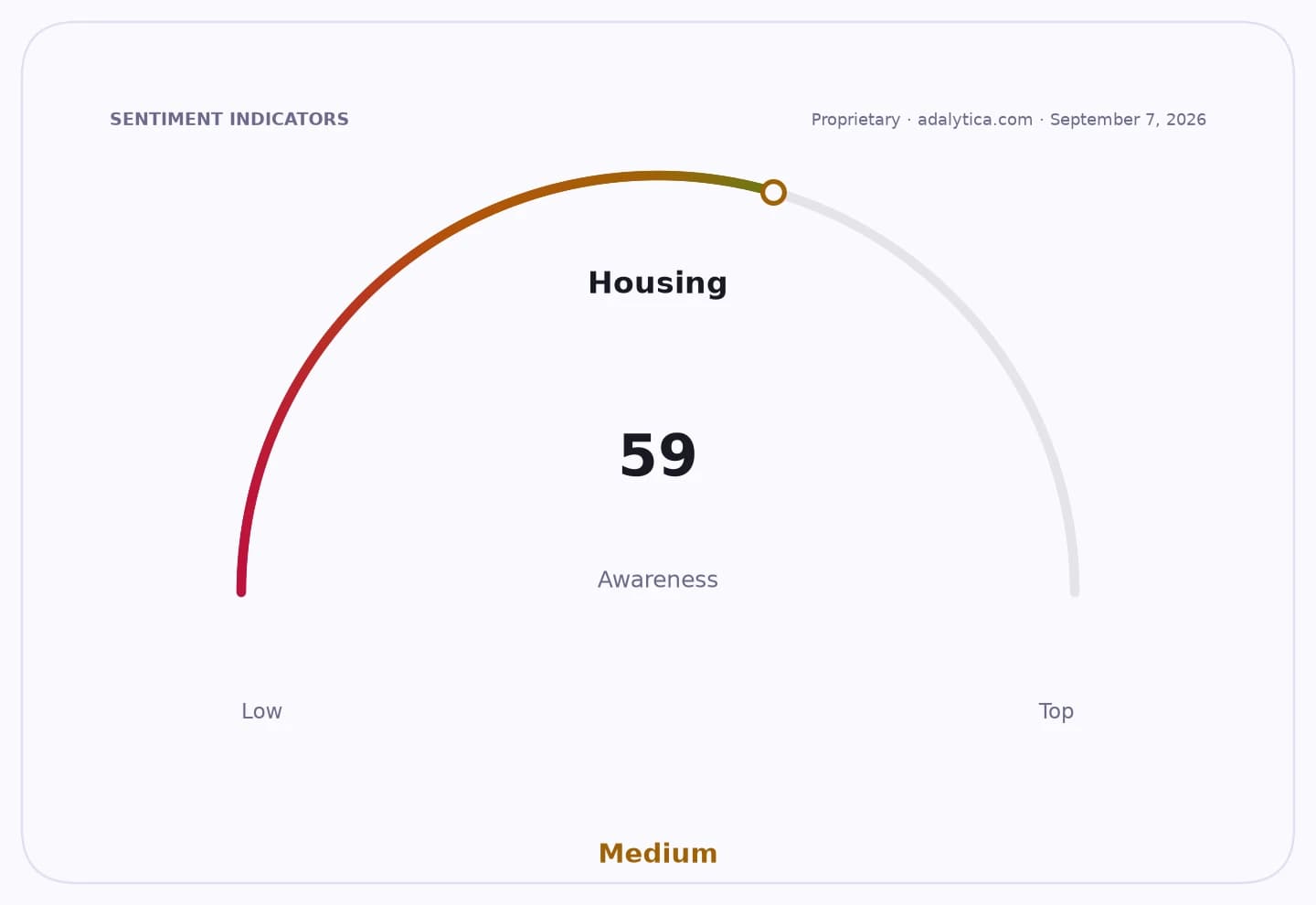
Sentiment IndicatorsⓘProprietary · adalytica.com · October 8, 2026
This is a snapshot — live sentiment, awareness and momentum for 130+ markets update continuously in the dashboard.Open AlphaPulse
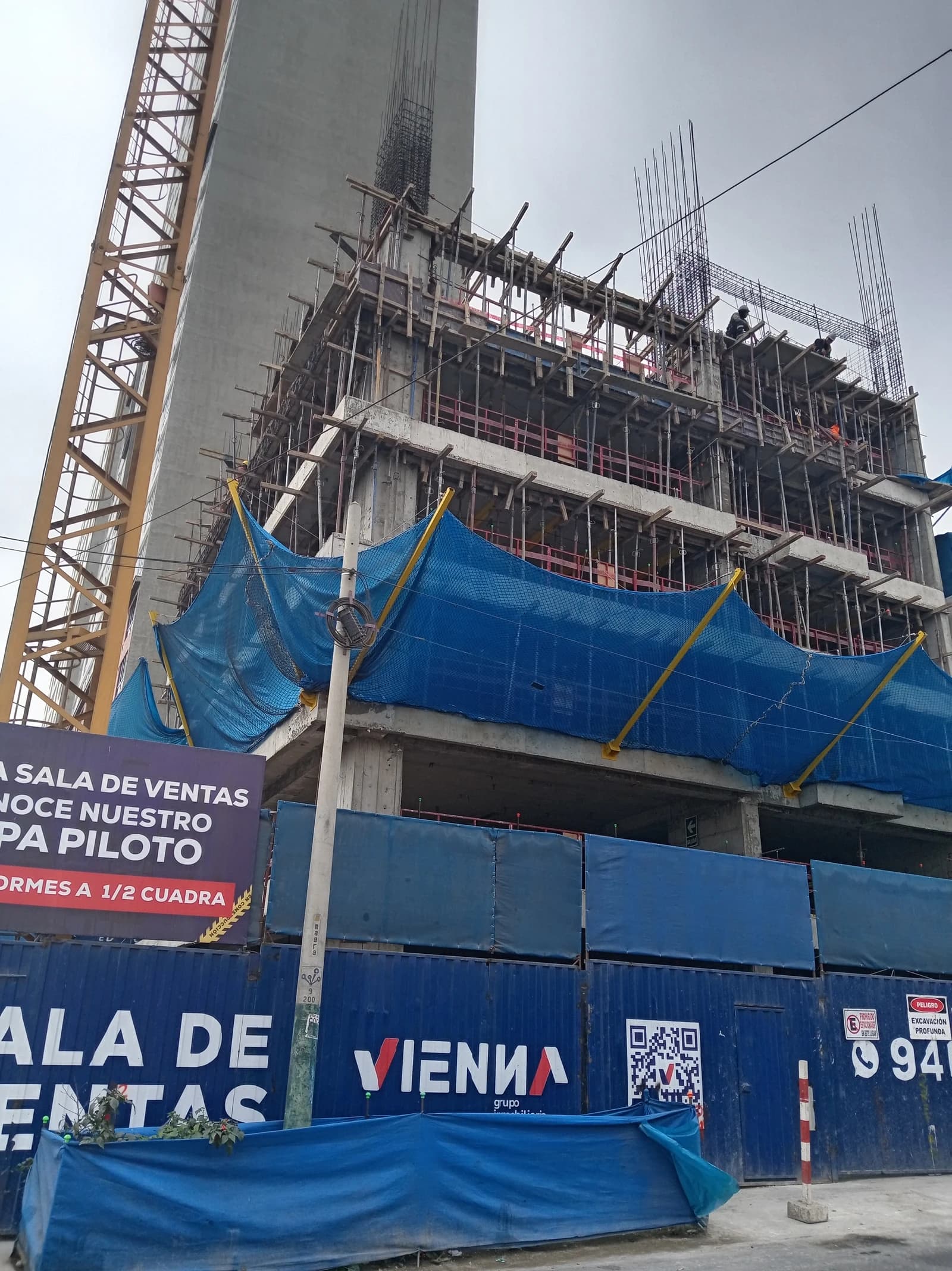
The apartments in question are in Ekbacken, just north of Stockholm, where nearly 30 newly built units were still vacant, according to the HomeQ listing platform cited by Hem & Hyra. Sveaviken Property Management has responded with an unusual incentive package: a free SL transit card for three months and, for many three-bedroom units, SEK 2,000 off the monthly rent for the first six months.
The asking rents underline the challenge. A one-room apartment costs about SEK 9,000 a month, two-room units run from SEK 11,000 to SEK 14,000, and a three-room apartment is around SEK 15,000 before the discount. For households already stretched by higher living costs, those numbers can still be too rich even in a country with a deep structural housing shortage.
The broader backdrop is not encouraging for landlords hoping the problem will solve itself. Statistics Sweden said rents in newly built rental homes rose more than 10% in 2025, with the average annual rent at SEK 2,565 per square metre and a newly built three-room apartment averaging SEK 13,571 a month. At the same time, industry group Fastighetsägarna says vacancies have risen since 2022, especially in smaller municipalities and in places where construction has been heavy relative to population growth.
For investors, the lesson is simple: pricing power is not uniform, even inside a housing shortage. Central Stockholm and other prime urban markets still have very low vacancy, but peripheral new developments may increasingly need rent concessions, free months or other incentives to lease up. That can hit cash flow, delay stabilization and reduce the value of new-build portfolios.
The story also helps explain why some younger Swedes are less focused on ownership and why landlords are being pushed to market rental homes more aggressively. If new apartments cannot clear at standard pricing, developers may have to rethink unit mix, location strategy and assumed yields.
For long-term investors, the key question is whether this is a temporary leasing tactic or a sign of a more durable repricing in parts of Sweden’s rental market. Either way, it is worth watching closely, because the winners will be landlords with scarce, well-located housing and the losers will be owners of commoditized new builds that need incentives just to fill up.
| Entity | Gains | Losses |
|---|---|---|
| Tenants | ▲Lower upfront housing costs | ▼None immediate |
| Sveaviken Property Management | ▲Faster lease-up | ▼Lower near-term rental income |
| New-build landlords in weak markets | ▲Occupancy support | ▼Pricing power |
| Developers in oversupplied areas | ▲Better visibility on demand | ▼Lower margins |