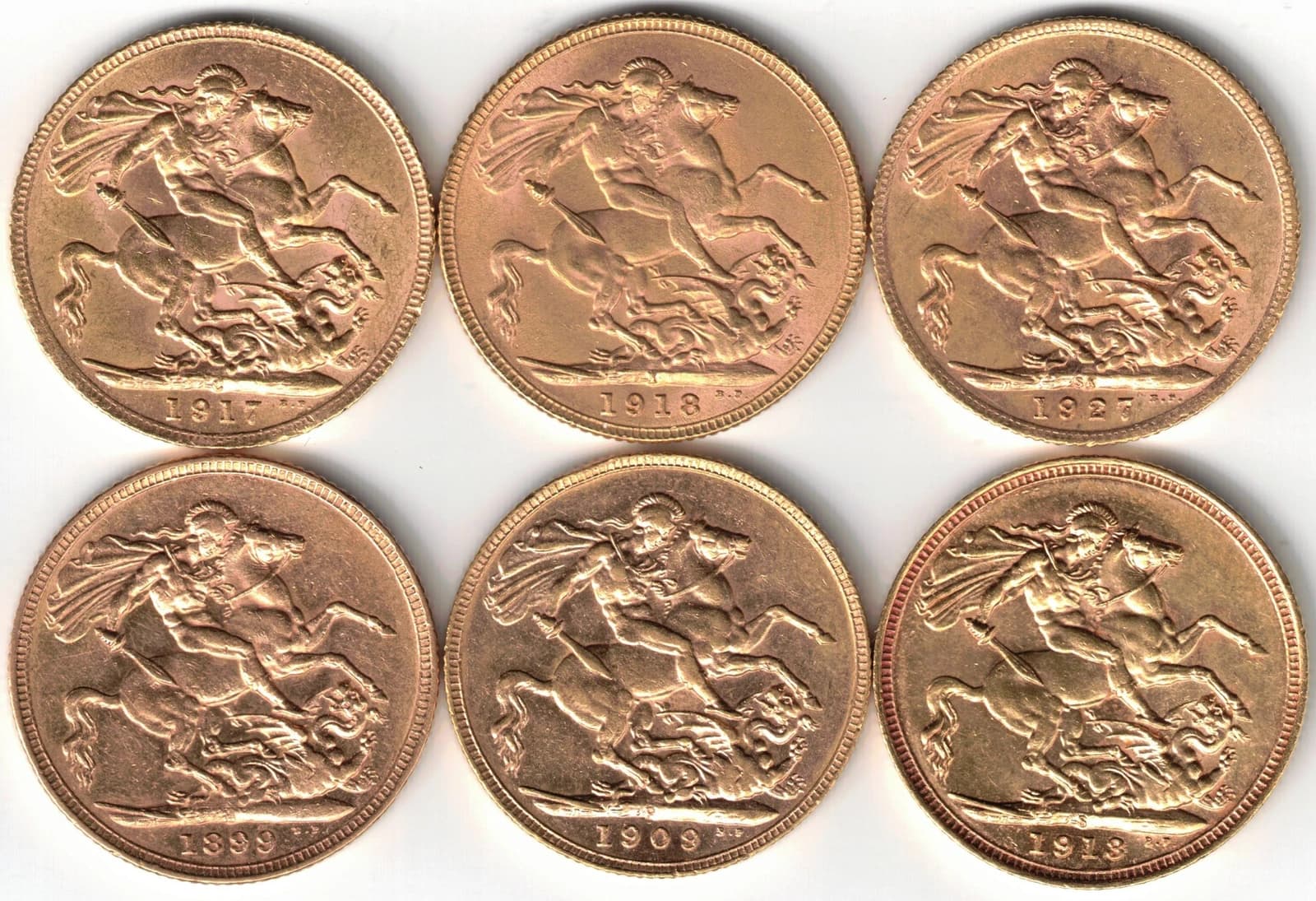
India’s National Stock Exchange has opened a new route for retail and institutional gold buyers: investors in its Electronic Gold Receipts segment can redeem their holdings for physical gold or jewellery, making the product more than just a tradable paper claim on bullion.
NSE opens redemption for electronic gold receipts

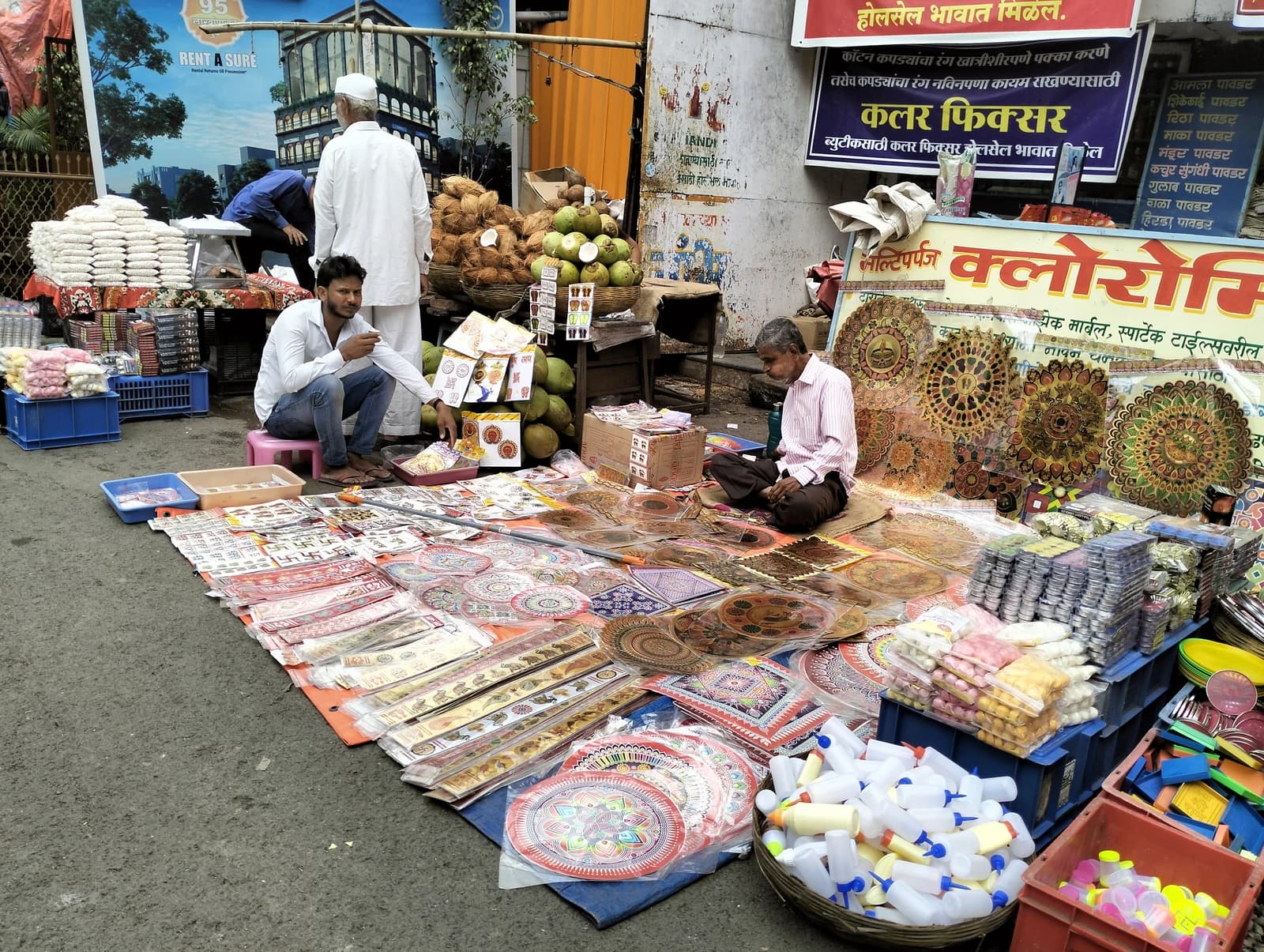
That matters because it addresses one of the biggest frictions in Indian gold investing — the trade-off between liquidity and possession. By allowing gold to be held in demat form and later converted into deliverable metal, the NSE is trying to make exchange-traded gold more usable for households that still prefer the metal in tangible form, while giving market participants a regulated, transparent trading venue.
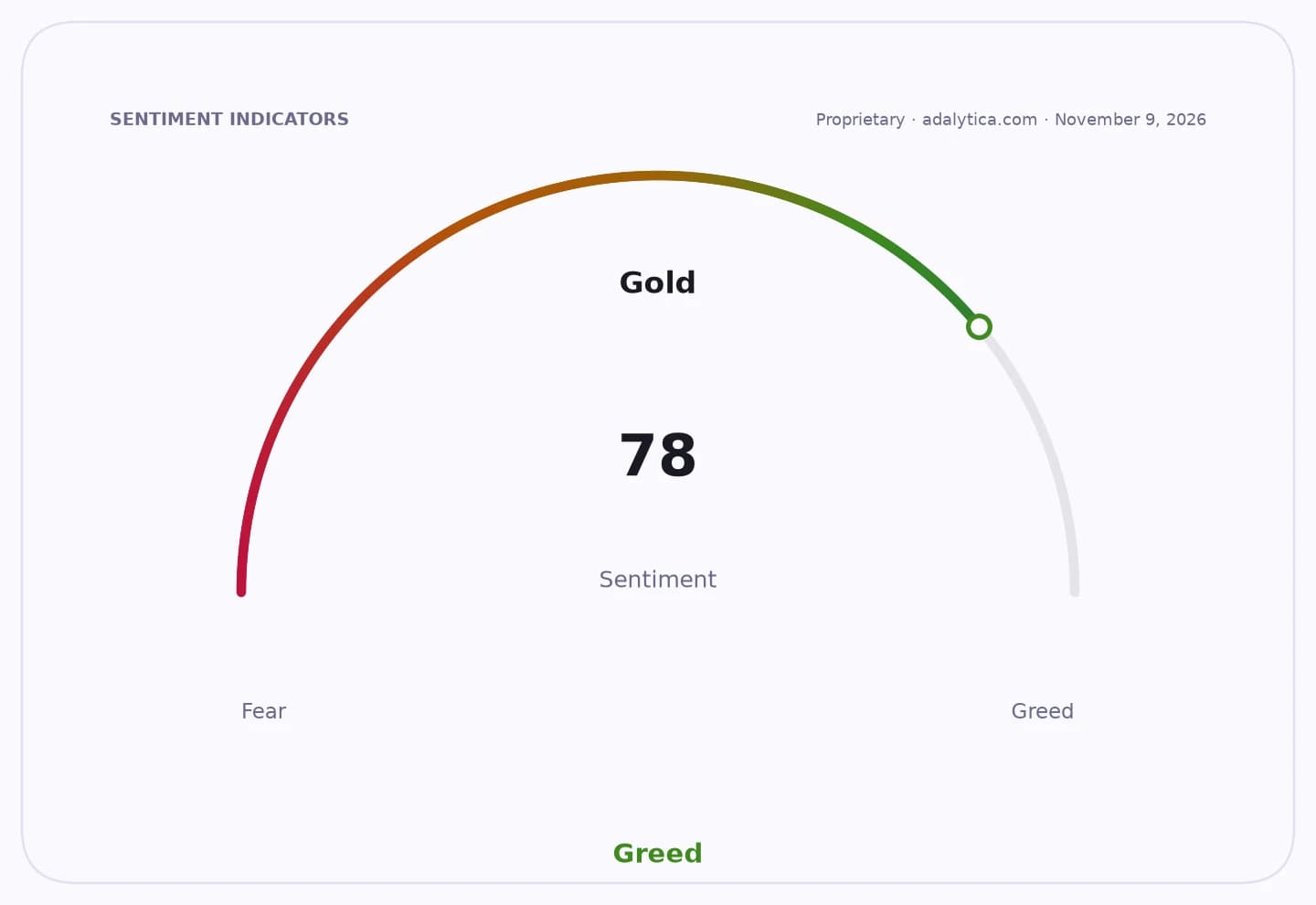
Sentiment Indicators
The exchange launched live EGR trading on Nov. 6 in partnership with Augmont Enterprises, with turnover of ₹23.34 crore and about 1.60 lakh units changing hands on the first day. That is small compared with India’s vast physical gold market, but it is a meaningful early sign that the product may find traction among buyers who want price discovery and storage efficiency without giving up the option of redemption.
The redemption feature is the key differentiator. Traditional jewellery purchases often carry making charges, purity concerns and resale friction. EGRs, by contrast, are designed to represent physically backed gold in electronic form, allowing investors to trade through demat accounts and, subject to redemption rules, convert those receipts into bullion or jewellery later. For savers, that could make gold accumulation more disciplined and potentially cheaper than repeated cash purchases from the informal market.
For the exchange, the new segment broadens the menu of investable commodities and deepens the NSE’s push into listed products backed by real assets. If participation grows, EGRs could compete with coins, bars, sovereign gold bonds and gold ETFs, each of which serves a different investor need. The bull case is that a redemption-linked exchange product could appeal to households that still want the comfort of physical delivery. The bear case is that operational complexity, purity checks and redemption logistics may keep volumes modest until the market becomes more familiar with the product.
The launch also lands at a time when gold remains central to Indian savings behaviour and global investors are still treating bullion as a hedge against macro uncertainty. Gold-linked products tend to benefit when households are looking for inflation protection or an alternative store of value, and when investors want exposure without the storage and security costs of physical holdings.
For investors, the near-term question is whether the NSE can scale EGR trading beyond an opening-day novelty into a recurring market with tight spreads, reliable redemption and enough inventory to support confidence. If that happens, the exchange could help formalize a large slice of India’s gold demand. If not, EGRs risk remaining a niche instrument alongside the country’s deeply entrenched physical gold habit.
| Entity | Gains | Losses |
|---|---|---|
| NSE | ▲Broader commodity franchise | ▼Operational complexity |
| Retail gold buyers | ▲Easier trading and redemption | ▼Less direct possession upfront |
| Augmont Enterprises | ▲Higher exchange-linked demand | ▼Execution and supply pressure |
| Traditional jewellery/physical gold sellers | ▲— | ▼Some demand shifts to demat-linked gold |