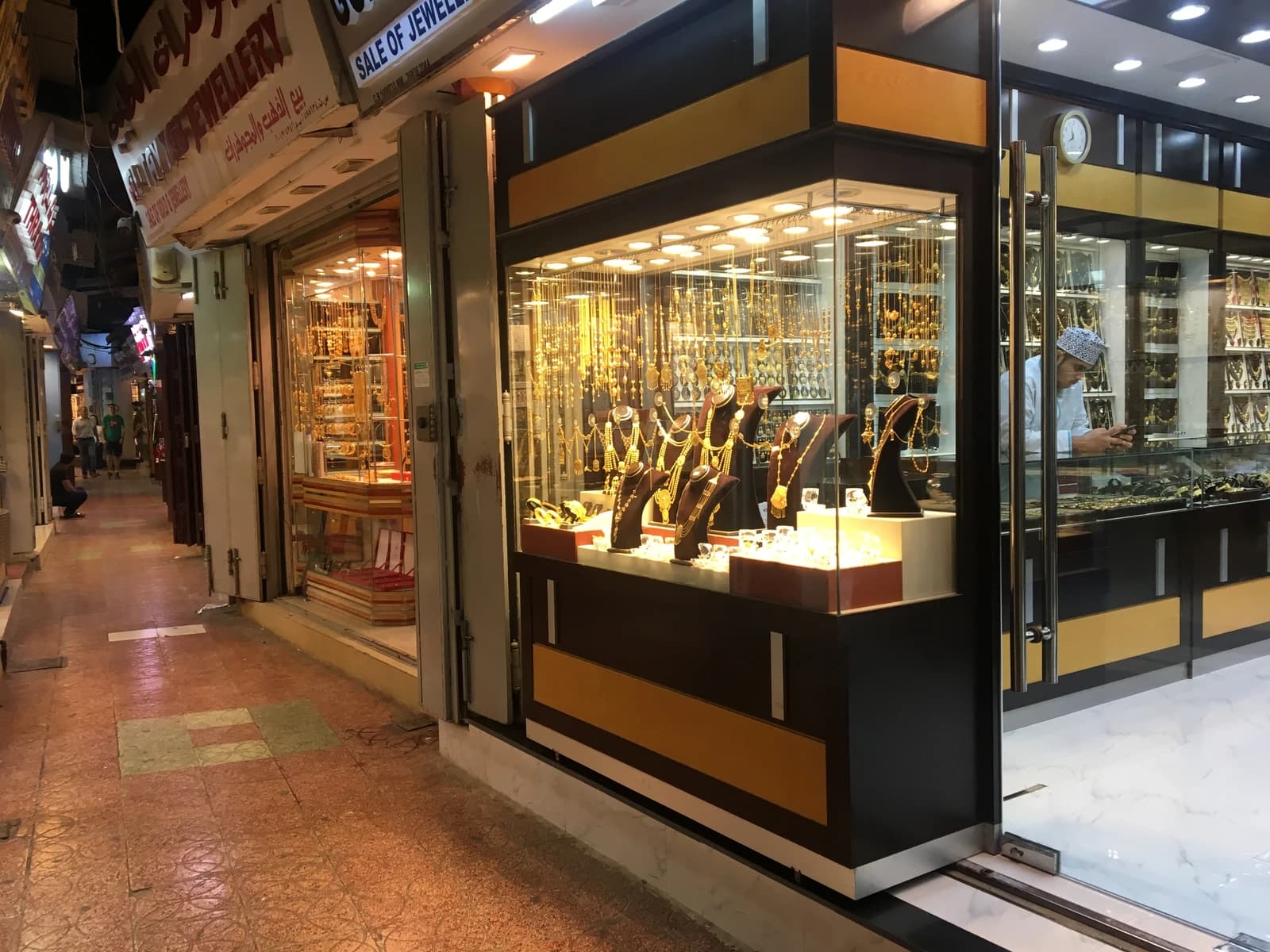
Gold’s pullback and relative stability are creating a window for Tunisian buyers, even as the metal remains near historically elevated levels internationally and local jewelers report weak demand. Wajih Mesfar, president of the regional chamber of artisan jewelers in Sfax, says the current setup favors consumers and argues that gold is still an attractive store of value.
Tunisia Gold Prices Ease as Jewelry Demand Stays Weak
That matters because gold is not just a jewelry input in Tunisia; it is also a savings vehicle in a fragile consumer environment. With the international ounce around $4,135 and 24-carat fabrication gold in Tunisia near 397 dinars a gram, prices remain high enough to keep retail buyers cautious, but not so unstable that they shut the market entirely. Mesfar says the decline in prices has improved conditions for shoppers, who are being encouraged to treat the current period as a buying opportunity.
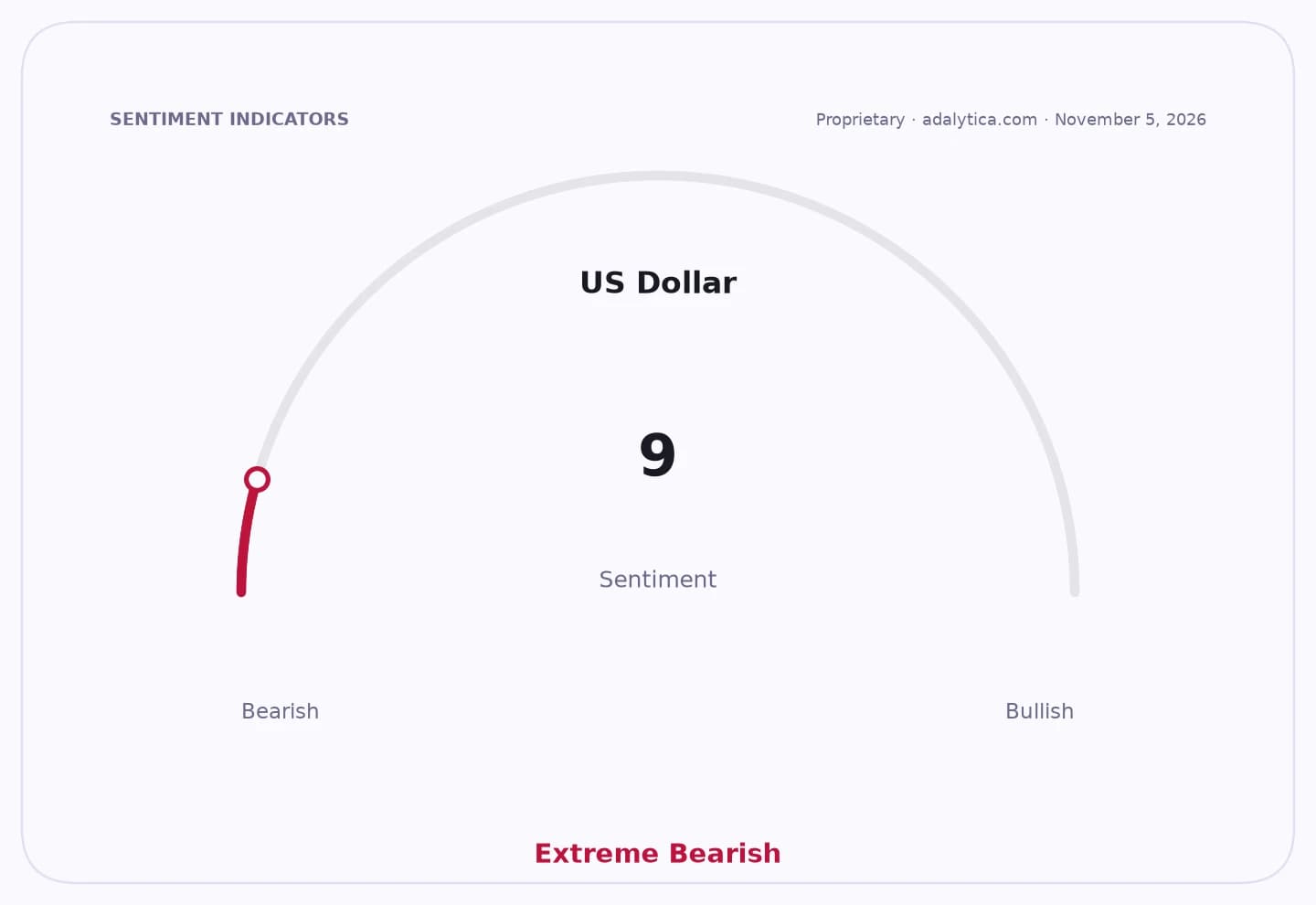
Sentiment Indicators
For the industry, the bigger story is demand. Mesfar says jewelry sales remain subdued, pushing artisans to focus on making new pieces and preparing for the next season rather than chasing immediate turnover. That kind of hesitation usually shows up when households are balancing preservation of capital against discretionary spending. It also means any sustained stabilization in prices could matter more than another short-lived spike, because lower volatility is often what brings hesitant buyers back.
The market backdrop is consistent with that caution. Gold has been swinging sharply on global screens, with the metal still in a powerful uptrend over the broader period, while the U.S. dollar remains strong. Conventional technical indicators on gold show a market that has cooled from overbought extremes but is still trading well above longer-term support, a sign that investors have not abandoned the trade even after recent volatility. Adalytica’s gold fear-and-greed gauge still reads in greed territory, underscoring that the broader bull case has not disappeared.
Mesfar’s comments also point to another issue investors and savers should not ignore: trust. He urged buyers to demand invoices showing the shop name, weight and carat purity, a reminder that in a market where prices are high and confidence matters, documentation becomes part of the value proposition. He also said the silver market remains fragile, citing problems around invoicing and traceability, which can weigh on formal trade and reinforce the premium on trusted retailers.
The investable takeaway is straightforward: when gold pauses after a steep run, the first beneficiaries are usually the physical-market intermediaries, refiners, and trusted retail channels that can capture pent-up demand. In Tunisia, that means any stabilization in gold prices could support jewelers with strong reputations and compliant sourcing, while weaker operators face the drag from low turnover and consumer skepticism. For households and investors alike, Mesfar is making the same basic point — in a volatile market, patience has value, but so does buying the dips.
| Entity | Gains | Losses |
|---|---|---|
| Tunisian buyers | ▲Lower entry point | ▼Fears of missing upside |
| Trusted jewelers | ▲Potential demand rebound | ▼Slow turnover now |
| Speculative buyers | ▲Dip-buying opportunity | ▼Volatility risk |
| Weak/opaque operators | ▲Little benefit | ▼Trust and compliance pressure |