The U.S.-Japan $550 billion agreement is adding a fresh layer of uncertainty to AI chip stocks, with investors still trying to work out whether the deal will ultimately accelerate semiconductor demand or keep export and supply-chain risks in place.
Nvidia, AI chip stocks weigh U.S.-Japan deal impact

That matters because the AI trade has been driven as much by geopolitics as by earnings. Any pact involving the world’s biggest tech buyer and one of Asia’s key chip ecosystems can reshape where capital spending lands, how equipment makers book orders and how much room there is for U.S. chipmakers to ship advanced hardware across borders.
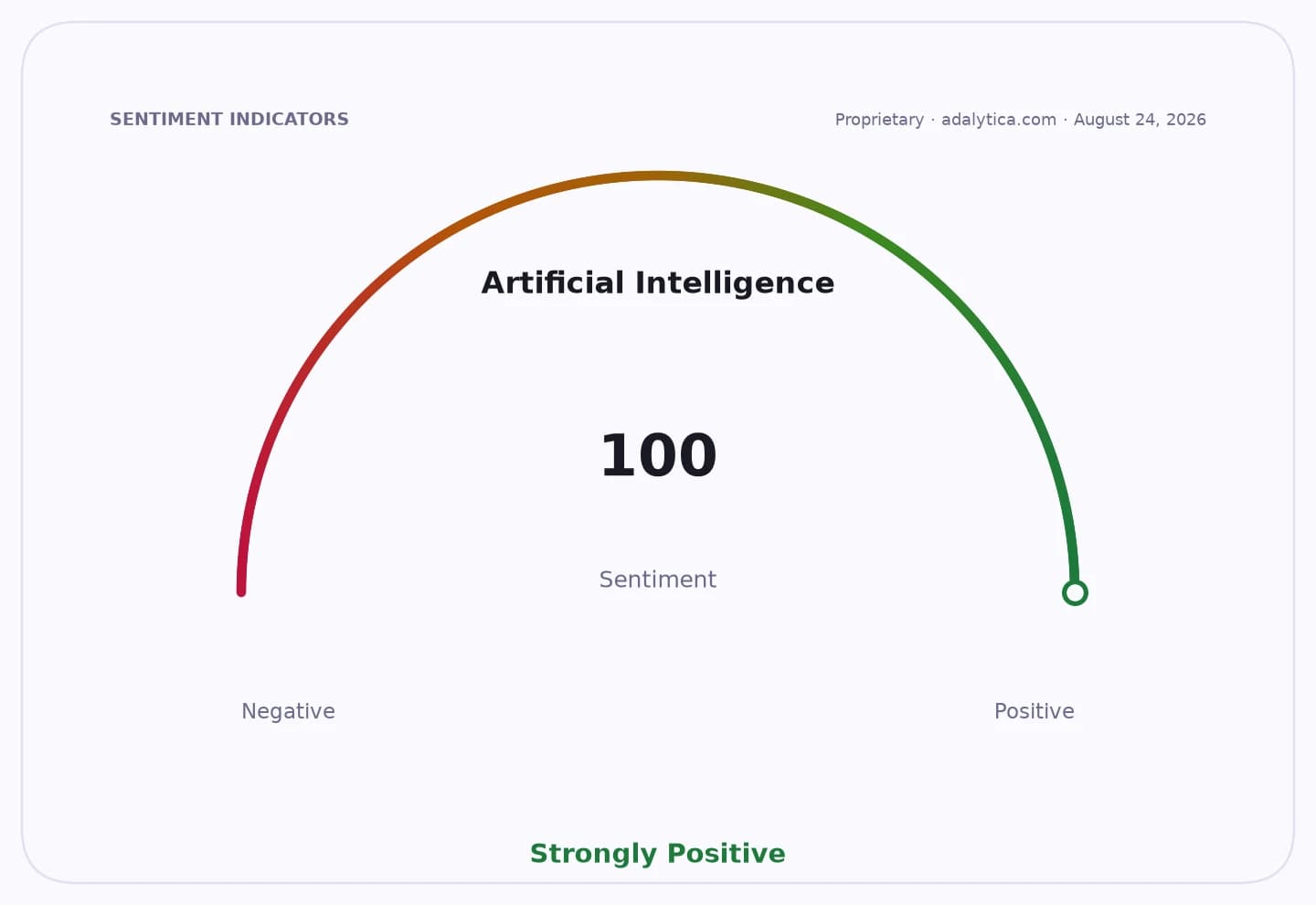
Sentiment IndicatorsⓘProprietary · adalytica.com · September 7, 2026
This is a snapshot — live sentiment, awareness and momentum for 130+ markets update continuously in the dashboard.Open AlphaPulse

Nvidia shares were last at $230.36, up from $224.41 on Sept. 2 and well above the 50-day moving average of $210.57, but the stock’s recent technical readings show the market is still testing how much of the AI boom is already priced in. The 14-day RSI at 53.7 suggests momentum is neither stretched nor washed out, while the MACD has turned higher, indicating traders are still leaning positive even as policy headlines inject noise.
For investors, the bigger question is whether the deal improves the visibility of AI infrastructure spending or complicates it. Nvidia’s exposure to export controls remains a key overhang, with the company warning in its latest filing that tougher rules can disrupt supply chains and distribution channels, including outside China. That makes any trade arrangement that touches Japan — home to critical manufacturing and equipment links — relevant not just for demand, but for delivery.
Nvidia Corp — 30-day sentimentadalytica.com
Explore this data interactively — full history, time series and cross-market comparisons.Open AlphaPulse

The read-through also reaches suppliers and peers. Applied Materials closed at $454.71 on Sept. 4, far below its June peak above $700, while ASML ended at $1,714.88 after sliding from a late-June high near $1,987. Those moves suggest the market is still sorting winners from losers across the chip equipment chain as geopolitics, U.S. industrial policy and AI spending collide.
Adalytica’s NVIDIA Earnings Sentiment gauge is at 100, labeled Extreme Greed, underscoring how crowded the trade has become even as awareness remains neutral. That leaves the sector vulnerable to sharp swings if the U.S.-Japan deal turns out to be more about diplomatic signaling than immediate orders.
The next catalyst is whether companies tied to AI servers, wafers and chip tools spell out concrete spending or supply commitments in coming updates. Until then, the pact may keep the AI chip complex in a holding pattern: long on strategic promise, short on clarity.
| Entity | Gains | Losses |
|---|---|---|
| Nvidia | ▲Bigger AI ecosystem reach | ▼More policy-driven volatility |
| Japan chip supply chain | ▲Potential capital inflows | ▼Unclear near-term demand signal |
| Applied Materials / ASML | ▲Possible long-term equipment demand | ▼Near-term investor hesitation |
| Shorts on AI chips | ▲Lower conviction on crowded trade | ▼Missed upside if deal boosts spending |