Nvidia remains the clear growth leader among the Magnificent Seven as AI spending by hyperscalers and data center builders continues to funnel billions into its chips, keeping the stock the most compelling long-term bet for investors looking past 2026.
Nvidia AI demand and earnings outlook
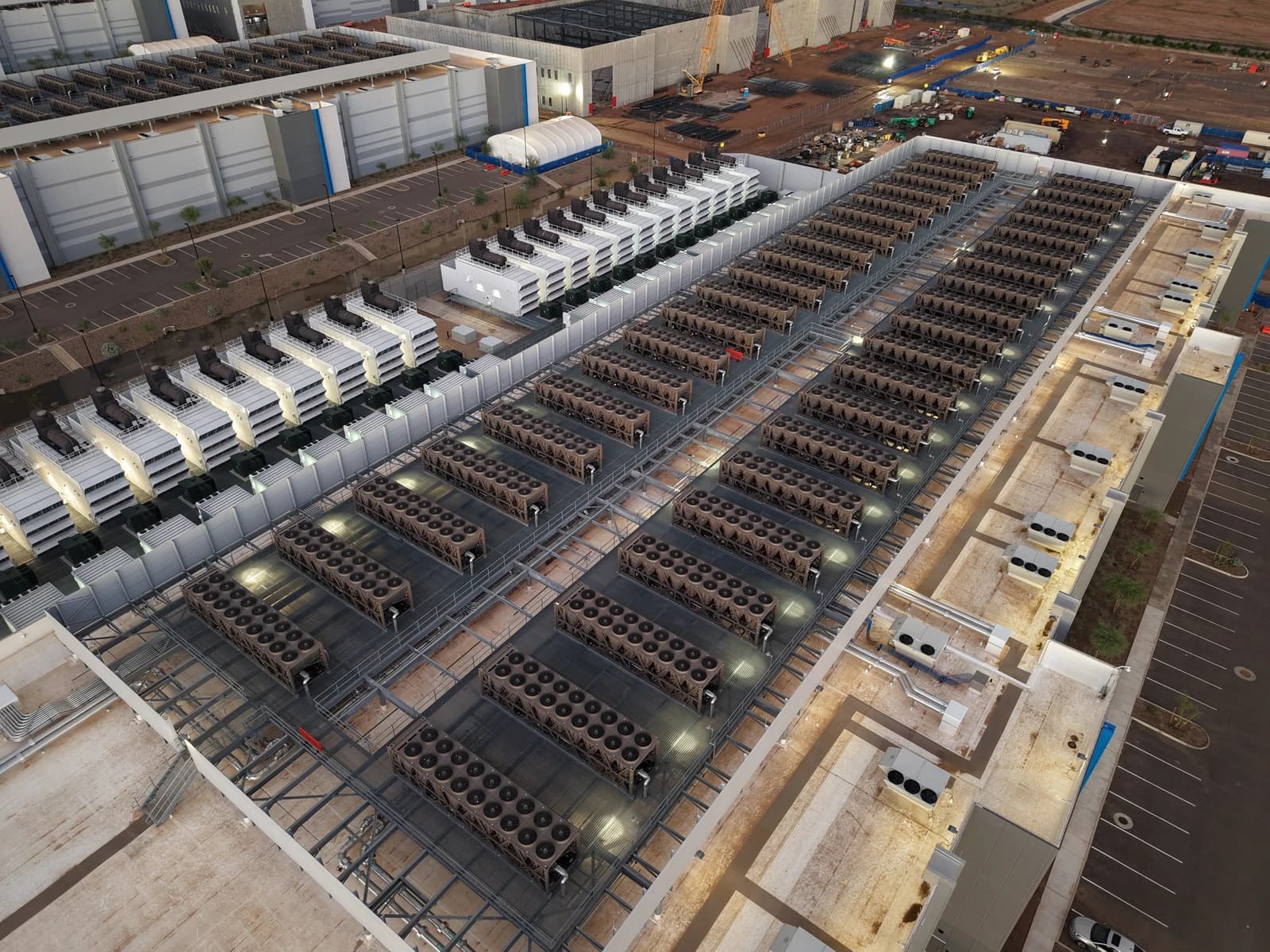
That edge matters because the AI infrastructure buildout is still in its early innings. Nvidia says global annual data center capital expenditures could reach $3 trillion to $4 trillion by 2030, and it expects the big five AI hyperscalers alone to spend nearly $800 billion this year and $1.3 trillion next year, a scale that leaves the company positioned to capture a disproportionate share of the spending.
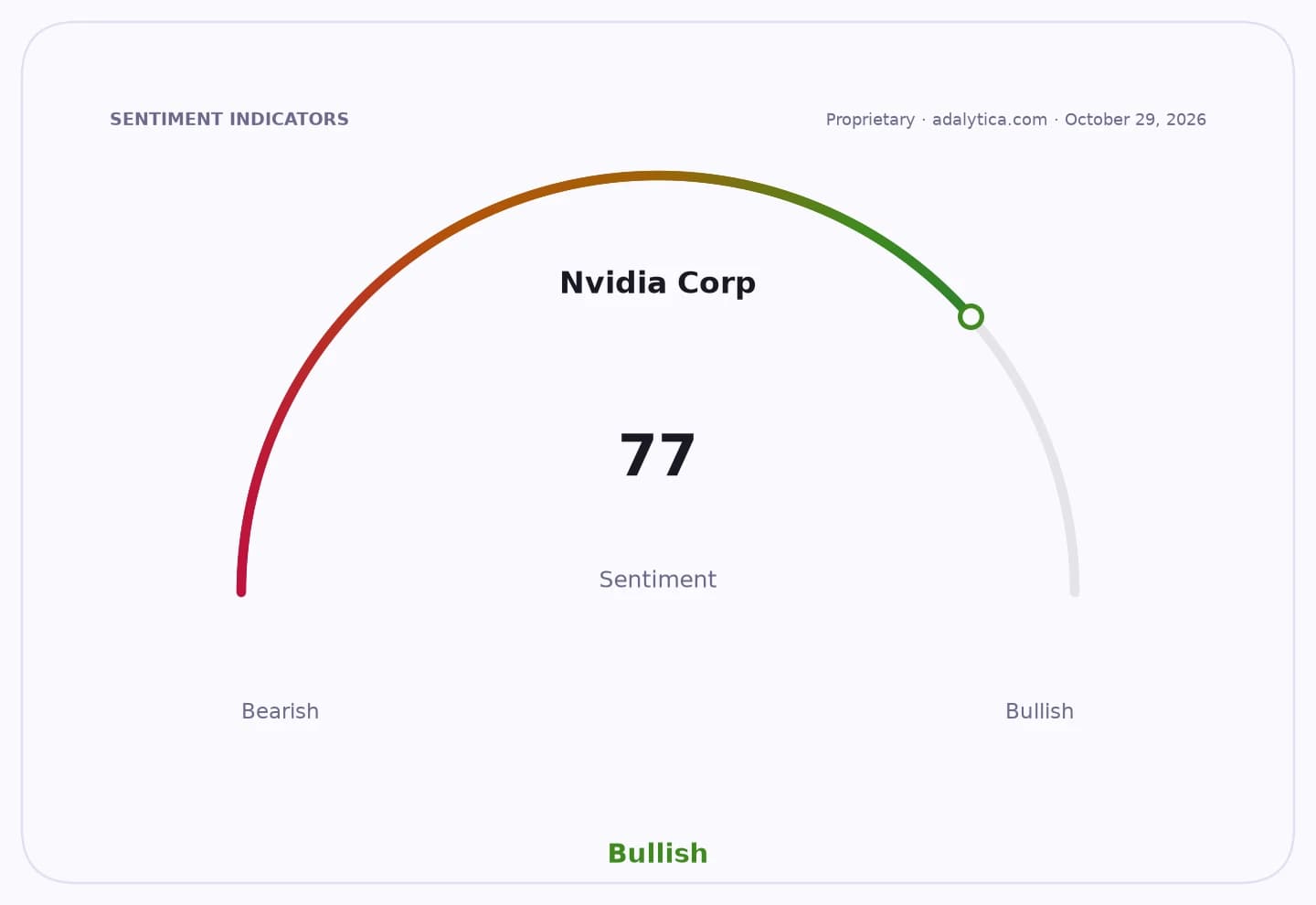
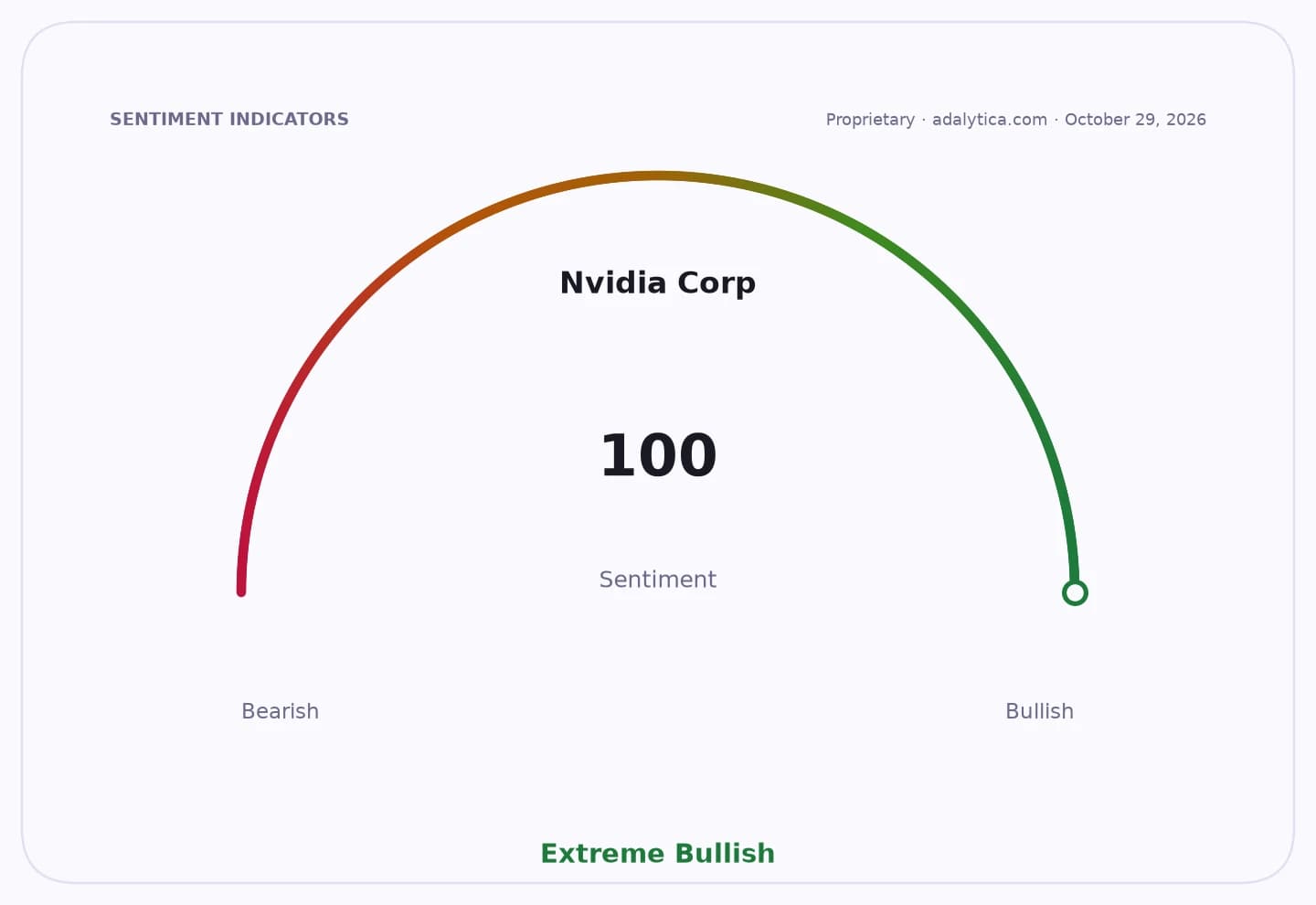
Sentiment Indicators
Nvidia’s own guidance underscores that demand. Management said on its latest earnings call it expects revenue growth of 70% in 2027, a figure that implies production is already largely sold out and future sales visibility remains unusually strong for a mega-cap company.
The comparison with peers is stark. If Nvidia compounds at that pace and then continues growing into 2030, its revenue could rise roughly 240% from 2027 levels by the end of the decade, far ahead of the next fastest Magnificent Seven name, Meta, which is growing at about 26%.
Nvidia Corp — 30-day sentimentadalytica.com
Explore this data interactively — full history, time series and cross-market comparisons.
That is why Nvidia still stands out as the primary AI beneficiary even after a choppy year for the stock. Shares closed at $204.64 on Oct. 30, down sharply from a recent high of $235.20 in May, while technical indicators show the stock below its 50-day moving average and with an RSI of 31, suggesting it is deeply oversold on a conventional chart basis ahead of its late-November earnings report.
Investor sentiment has also turned cautious. Adalytica’s NVIDIA Earnings Sentiment gauge shows “Extreme Fear” at 14, while broader AI sentiment is also in “Extreme Fear,” reflecting concern around near-term volatility even as the long-term demand story remains intact.
The main risk for investors is execution and valuation, not demand. With Microsoft, Meta, Amazon and others still pouring capital into AI infrastructure, Nvidia’s near-term earnings will be watched for any sign that order growth or margins are slowing, but the larger narrative still favors the company with the strongest exposure to the spending surge.
| Entity | Gains | Losses |
|---|---|---|
| Nvidia | ▲AI capex surge, faster revenue growth | ▼Near-term volatility, lofty expectations |
| AI hyperscalers | ▲Access to Nvidia’s chips and systems | ▼Heavy capital spending burden |
| Nvidia rivals | ▲Niche opportunities in AI hardware | ▼Share loss to Nvidia’s scale |
| Long-term NVDA holders | ▲Exposure to AI infrastructure growth | ▼Short-term drawdowns and earnings risk |