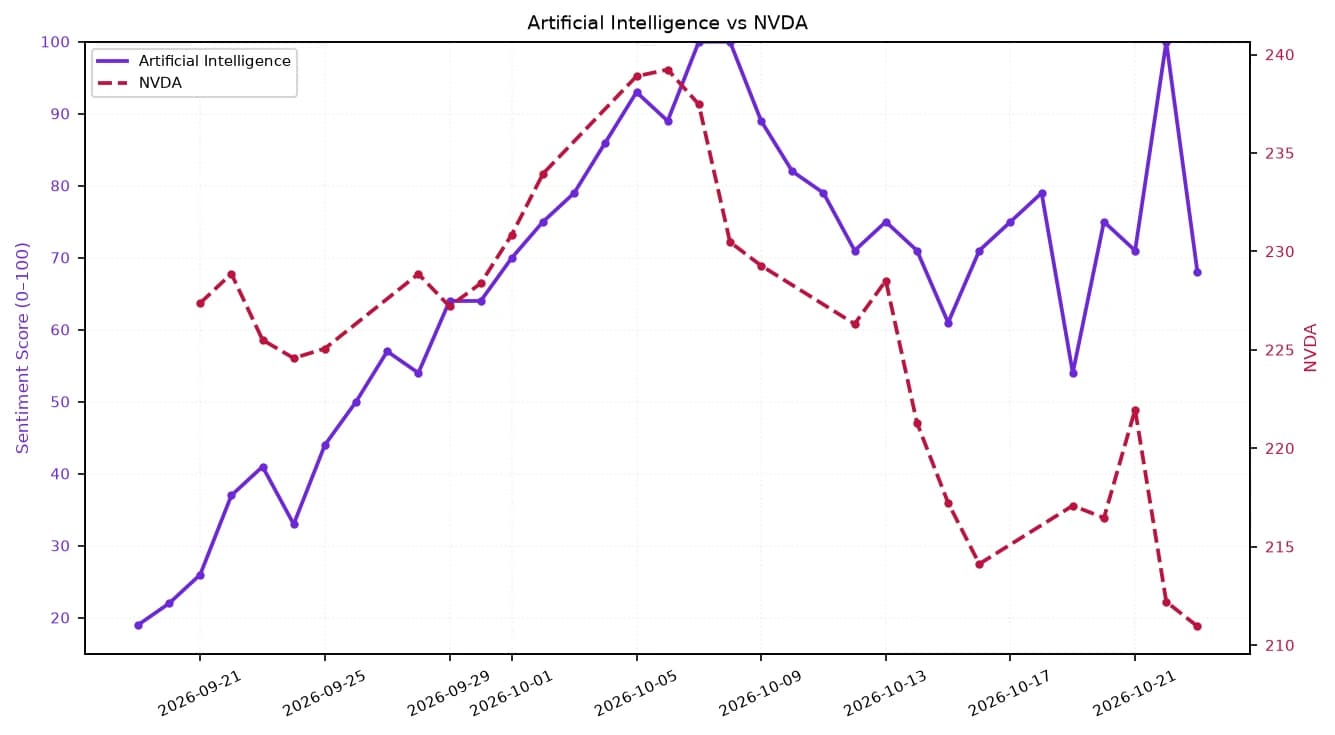
The Magnificent 7 is no longer trading as one tape, and that divergence is becoming the real market story. Nvidia is holding up far better than Microsoft, while Apple, Tesla and Amazon are moving on their own catalysts, underscoring a market that is starting to separate AI infrastructure winners from the companies paying the bill.
Nvidia and Microsoft diverge in Magnificent 7 trade
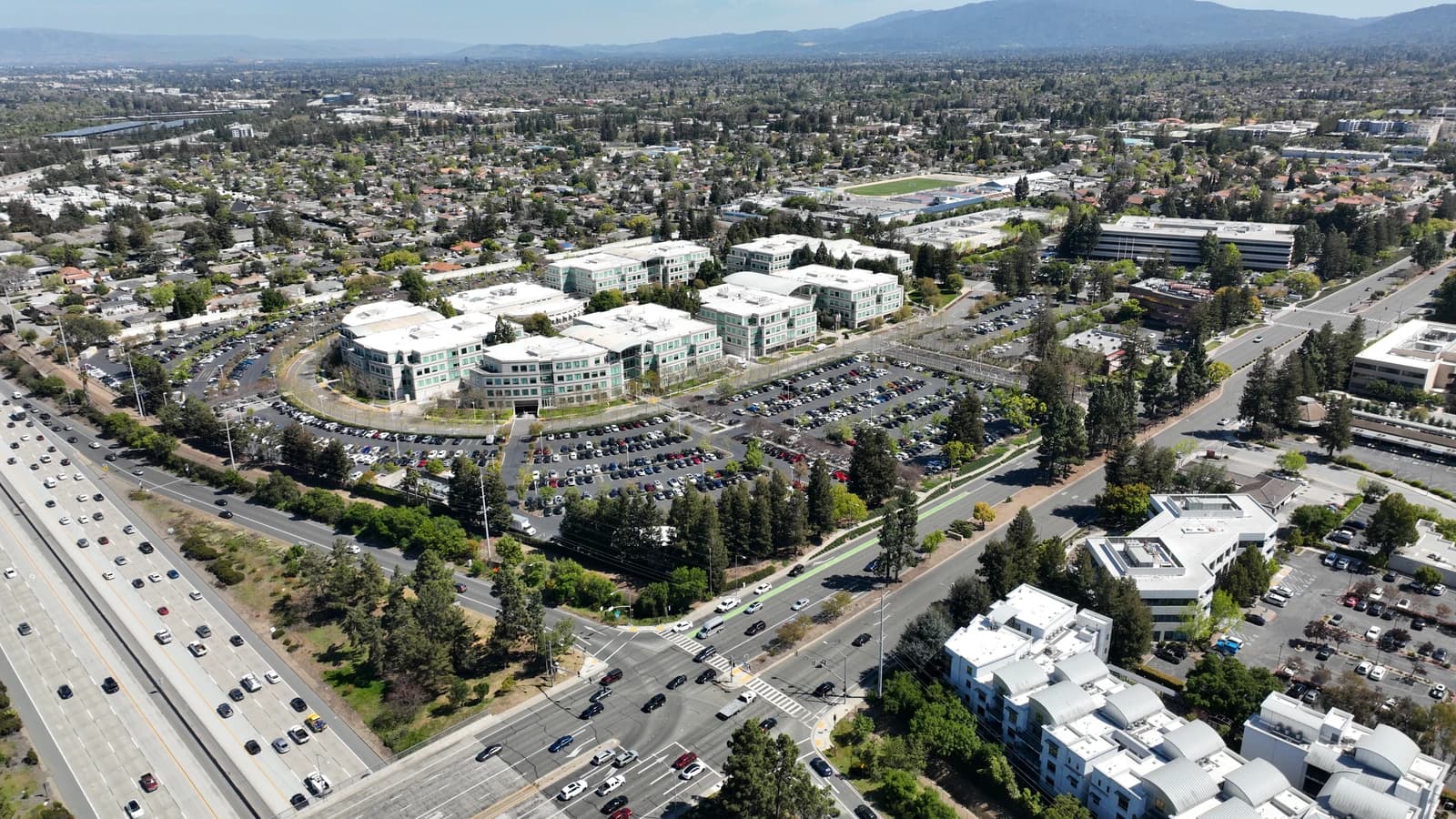
That matters because the mega-cap complex still carries a huge share of index performance, passive flows and earnings expectations. When the group stops moving in lockstep, it usually means investors are repricing the earnings quality, capital intensity and margin durability behind the AI trade — not just the size of the opportunity.
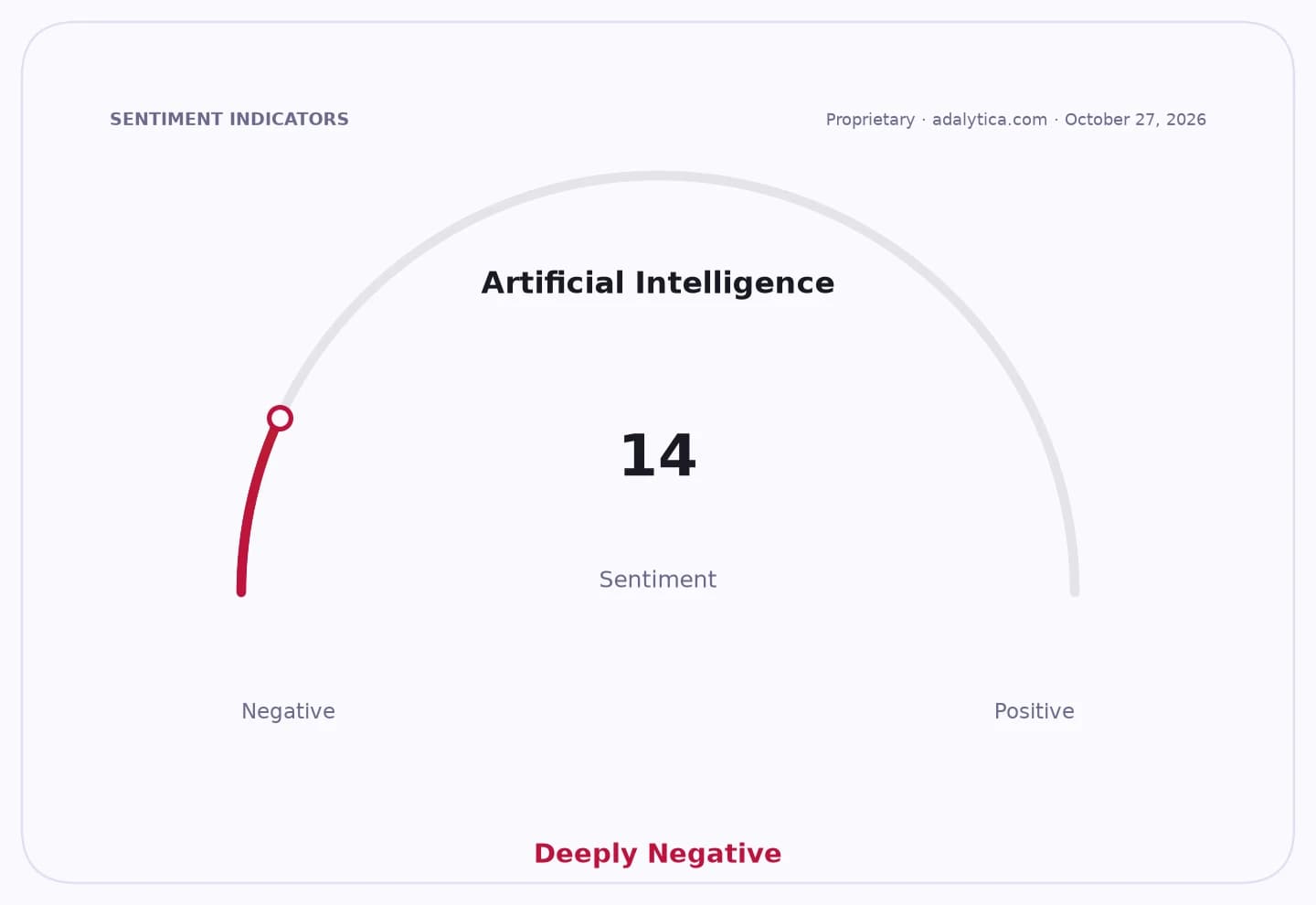
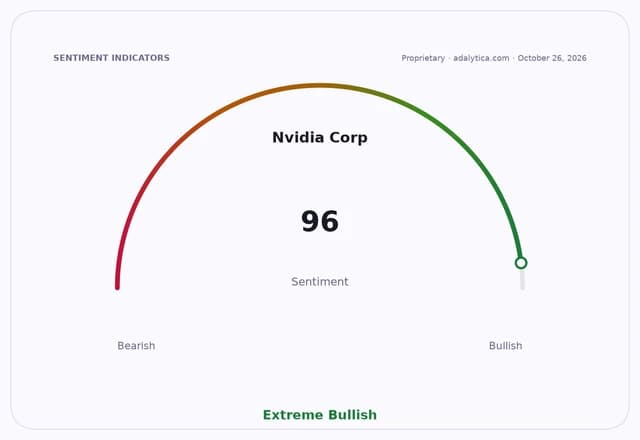
Sentiment IndicatorsⓘProprietary · adalytica.com · October 26, 2026
This is a snapshot — live sentiment, awareness and momentum for 130+ markets update continuously in the dashboard.Open AlphaPulse
The clearest fault line is between Nvidia and Microsoft. Nvidia’s shares recently sat near $216.50, below a 50-day moving average of $222.23 and with an RSI reading of 29.4, a level that points to technically stretched selling rather than a broken long-term story. Microsoft closed at $531.89, still above its 50-day average of $509.10 and far above its 200-day line near $435.65, but the stock has been less about price trend than about investor tolerance for AI spending and the return on that spending.
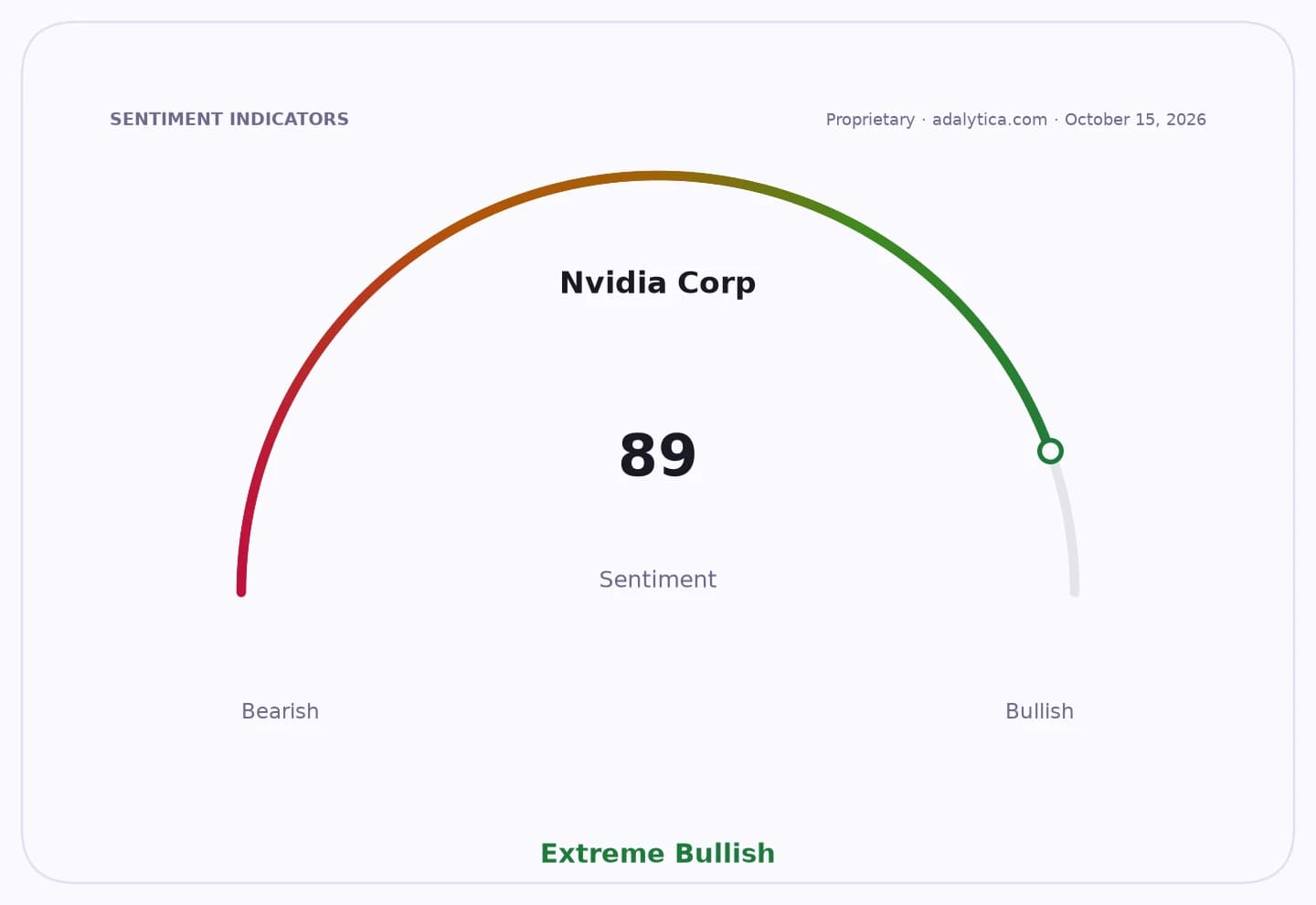
Adalytica’s earnings sentiment snapshot captures the split. Nvidia’s sentiment score jumped to 96, labeled “Extreme Greed,” even as Microsoft’s fell to 43, back to “Neutral” after running as high as 100 only days earlier. In other words, the market is still willing to pay for the AI picks-and-shovels layer, but it is becoming more selective about platforms that must keep pouring cash into data centers, chips and software to defend their franchises.
The broader message for investors is that the next leg of this trade is unlikely to be a simple “buy Big Tech” call. The market underestimates how much dispersion there can be inside the Magnificent 7 when rates, capex and AI execution start to matter more than storylines. That favors the infrastructure names tied directly to compute demand, power, networking and data-center buildout, while it raises the bar for consumer-platform giants whose AI bets must still translate into earnings power.
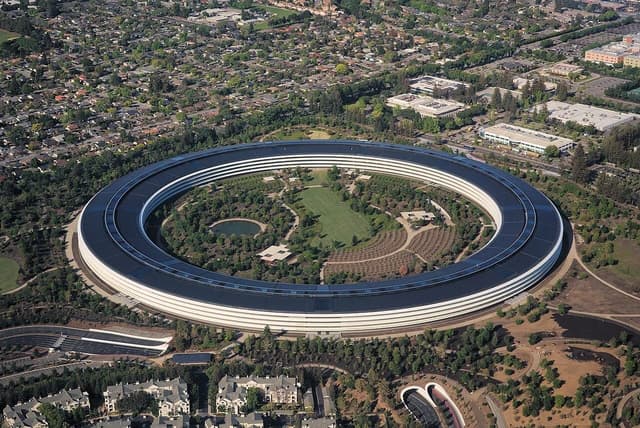
Apple’s steady climb above its 50-day and 200-day averages shows there is still room for defensive quality inside mega-cap tech. Tesla remains a momentum-driven outlier, helped recently by the buzz around its flying Roadster, but it is the kind of name that can widen the group’s performance spread rather than define it. Amazon remains in the mix as a cloud and logistics hybrid, but the market is clearly no longer treating the seven as a single trade.
For investors, the actionable takeaway is straightforward: don’t own the Magnificent 7 as a basket and expect uniform returns. This is a stock-picker’s market inside Big Tech, and the best risk-reward today appears to be in the companies selling the infrastructure layer of AI rather than the ones absorbing the heaviest capital burden to keep it running.
| Entity | Gains | Losses |
|---|---|---|
| Nvidia | ▲AI infrastructure demand | ▼Momentum sellers |
| Microsoft | ▲Long-term platform scale | ▼Near-term AI margin skeptics |
| Apple | ▲Quality/defensive rotation | ▼Hypergrowth chasers |
| Tesla | ▲Event-driven volatility | ▼Basket-style mega-cap longs |