Nvidia is moving into personal computers with a new line of AI-focused Windows machines priced from about $1,800, a push that could widen the company’s reach beyond data centers while putting fresh pressure on Apple, Intel and AMD in the premium PC market.
Nvidia AI PCs Start at $1,800

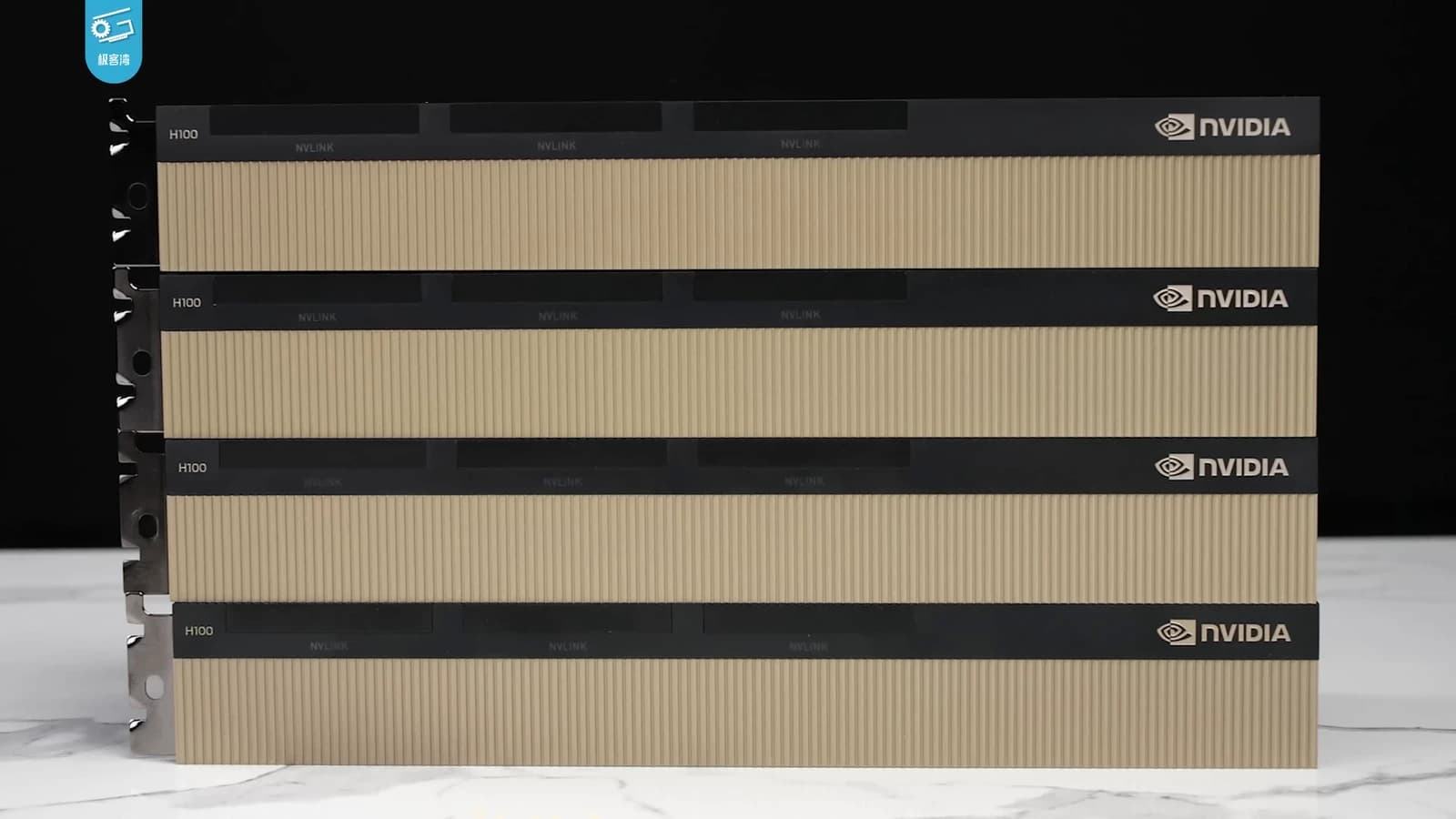
The first systems using Nvidia’s RTX Spark superchip are set to arrive in October from Lenovo and Acer, according to the company. The new PCs are designed around Nvidia’s Grace CPU and Blackwell graphics technology and can be configured with up to 128 gigabytes of memory, enough to run large language models locally and handle workloads such as AI development, 3D rendering and 12K video editing.
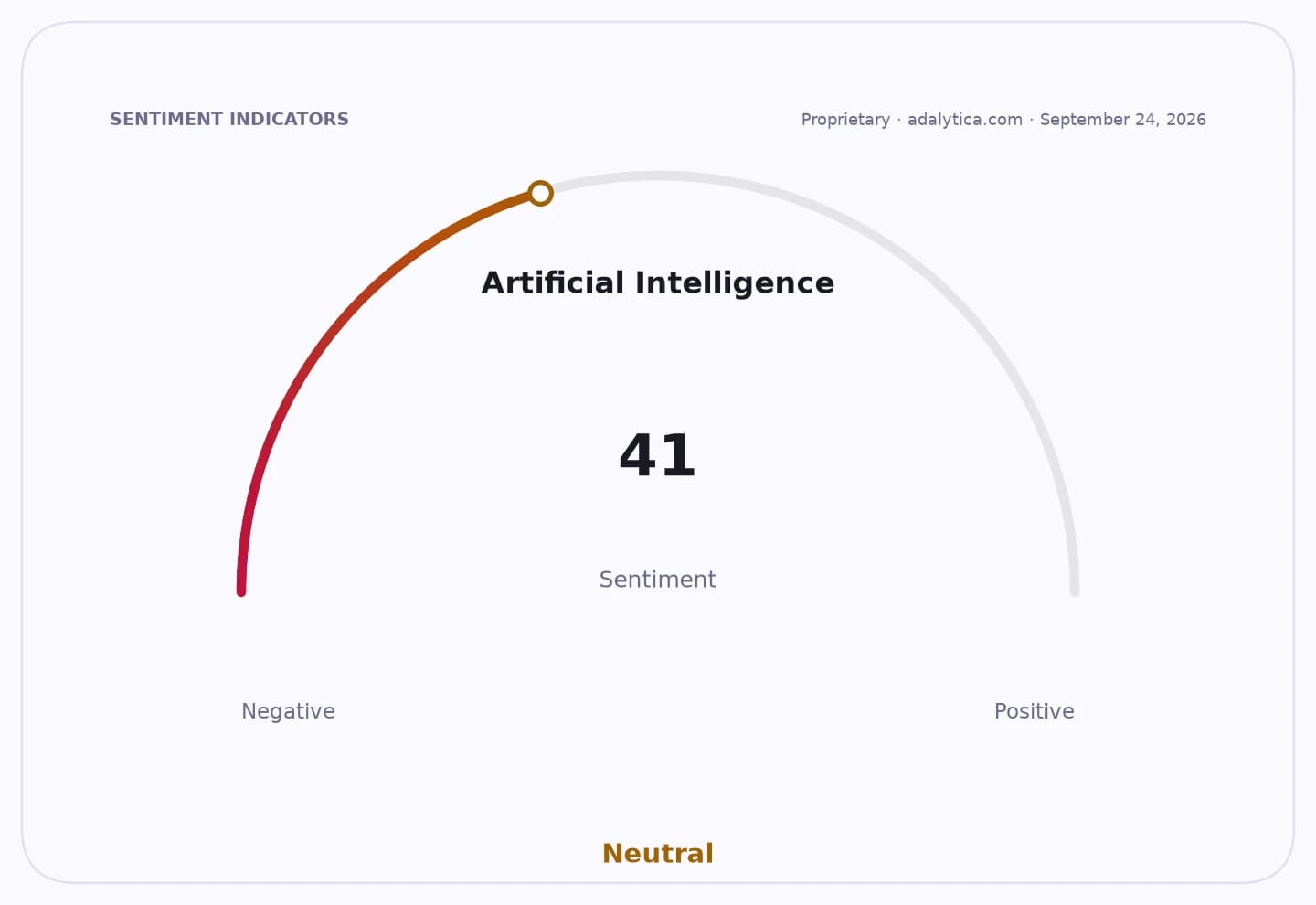
Sentiment IndicatorsⓘProprietary · adalytica.com · September 6, 2026
This is a snapshot — live sentiment, awareness and momentum for 130+ markets update continuously in the dashboard.Open AlphaPulse

The move matters because it extends Nvidia’s AI strategy into consumer and creator hardware at a time when the PC market is still struggling for growth. If Nvidia can make AI-capable laptops a new category rather than a niche product, it opens another revenue stream for the company and gives its chip ecosystem a foothold inside end-user devices, not just cloud servers and enterprise data centers.
Investors are watching the pricing closely. Morgan Stanley sees entry models starting at $1,800, while higher-end systems with the N1X chip could begin at $2,899; one semiconductor consultant put the likely range at $3,000 to $4,000, a level that would make the devices a specialty purchase even for AI developers. That pricing keeps the product squarely in the premium tier and pits it against Apple’s latest Mac desktops and notebooks, which already have a strong position in local AI workflows.
For Intel and AMD, the launch underscores a competitive threat that goes beyond another chip release. Nvidia is effectively trying to redefine the AI PC around its own hardware stack, while Microsoft and Qualcomm’s Copilot+ effort has so far struggled to gain traction and Apple has been steadily upgrading its Mac line with AI-friendly chips. The pitch is clear: if local AI becomes a meaningful feature, the vendor with the strongest chip performance and software ecosystem could win a larger share of high-margin PC sales.
Nvidia’s shares have been firm, with the stock closing at $230.36 on Sept. 4, above its 50-day and 200-day moving averages, while AMD and Intel have seen more volatile trading around the AI-PC theme. Technical readings for Nvidia also show momentum holding up, even as the premium pricing suggests the first wave of demand will be limited to enthusiasts, developers and professional users.
The bigger test comes when the first Lenovo and Acer systems reach the market in October. If early adoption is strong, Nvidia could turn AI PCs into a new growth leg; if not, the launch risks becoming another expensive showcase for a market still waiting to prove it wants AI on the desktop.
| Entity | Gains | Losses |
|---|---|---|
| Nvidia | ▲New PC revenue stream | ▼Focus on niche pricing |
| Apple | ▲Premium PC comparison tailwind | ▼AI PC rivalry intensifies |
| Intel | ▲PC market pressure remains manageable | ▼Share risk in premium PCs |
| AMD | ▲Demand for AI-capable laptops grows | ▼Competitive pressure in client chips |