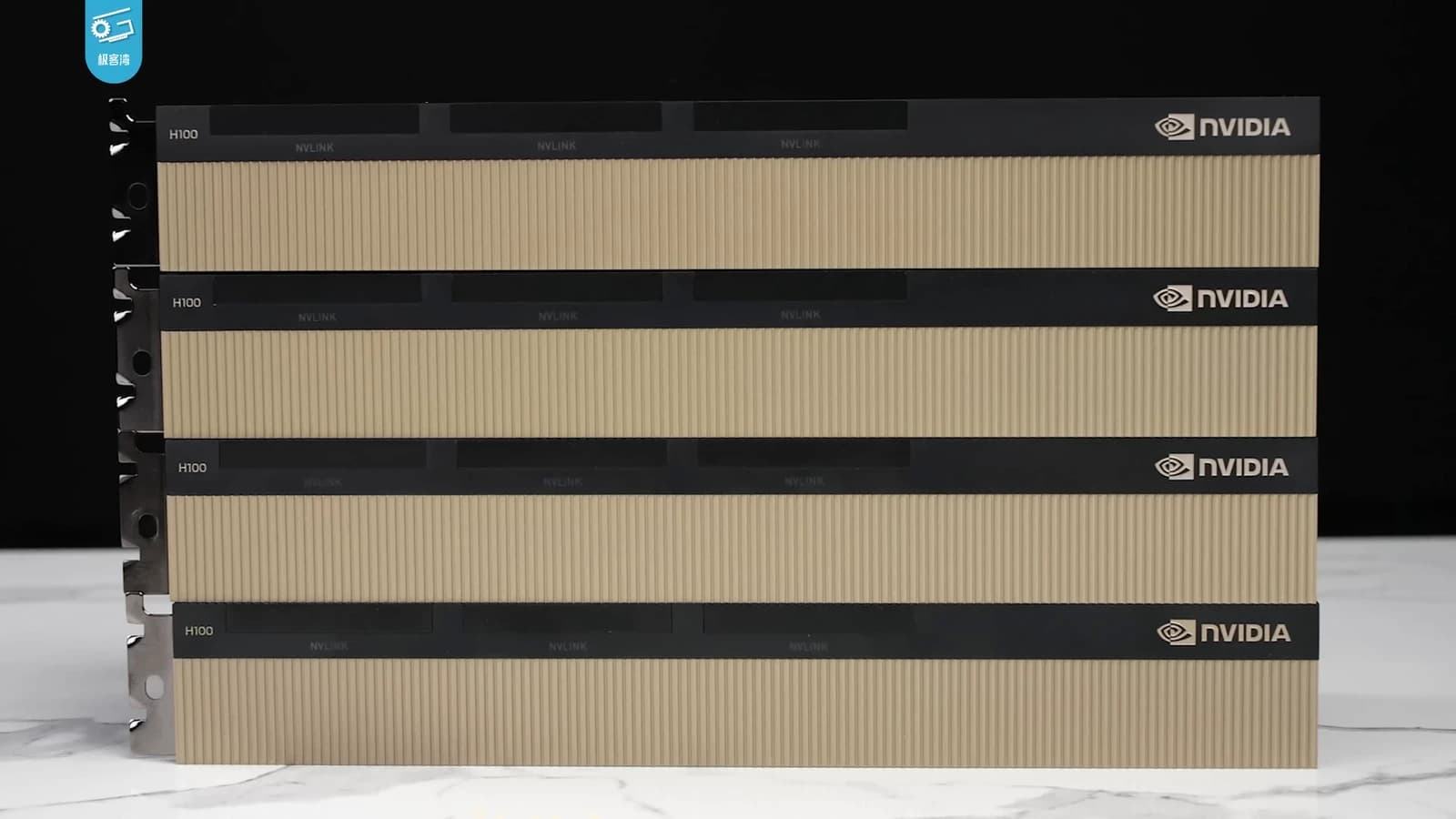
Nvidia remains the dominant semiconductor bet for 2027 and beyond because investors are still paying for scale, software lock-in and a wider set of AI customers than any single rival can match.
Nvidia vs Broadcom in AI Chips Through 2027

That advantage matters economically because the AI buildout is no longer just about one or two hyperscalers ordering accelerators; it is becoming a multiyear infrastructure cycle that rewards the supplier with the deepest ecosystem, the broadest product stack and the clearest path to recurring demand. Even as Broadcom has won attention with custom chip deals and a strong run in AI networking, Nvidia’s position in training and inference hardware still anchors the sector’s profit pool.
Sentiment IndicatorsⓘProprietary · adalytica.com · August 23, 2026
This is a snapshot — live sentiment, awareness and momentum for 130+ markets update continuously in the dashboard.Open AlphaPulse
The market is reflecting that split. Nvidia’s shares have outperformed on a year-to-date basis and recently traded around $214, well above its 200-day moving average near $195, even after a pullback from an August high above $223. The stock’s relative strength index has cooled from overbought levels to about 59, suggesting the move has consolidated rather than broken down. Broadcom, by contrast, has slipped to about $368 from a May peak above $439 and has stayed only modestly above its 200-day average near $368, a sign that enthusiasm around its AI narrative is still being digested.
The comparison with the broader chip sector reinforces Nvidia’s edge. The SOXX semiconductor ETF surged earlier in the year but has since given back a large part of that advance, leaving Nvidia better positioned than the average chip stock to weather a more selective market. That is important for investors because the AI trade is shifting from a simple “own semis” bet to a stock-picking exercise centered on who can turn demand into durable margins and cash flow.
Broadcom’s case is real. Its custom silicon strategy, telecom exposure and growing AI networking footprint make it a formidable competitor, and recent industry deals underscore how large buyers increasingly want tailor-made chips. But that same trend can also support Nvidia by broadening the overall AI spend cycle. The more infrastructure giants diversify suppliers, the more the market has to weigh breadth of demand against the concentration of Nvidia’s software ecosystem, CUDA compatibility and developer mindshare.
For investors, the key question is not whether Broadcom can keep gaining relevance. It can. The question is whether it can displace Nvidia as the default earnings compounding machine in AI hardware. On current evidence, Nvidia still looks better placed to benefit from every layer of the buildout: training clusters, inference deployment, networking and the software stack that ties them together. If AI capital spending stays elevated into 2027, Nvidia’s larger addressable market and stronger brand with cloud buyers should keep it the higher-conviction name.
The risk to that view is valuation and competition. Nvidia is not cheap, and any slowdown in hyperscaler capex, export restriction or faster-than-expected adoption of custom ASICs could compress its multiple. But unless the market believes custom silicon can match Nvidia’s software economics at scale, the burden of proof remains on challengers.
| Entity | Gains | Losses |
|---|---|---|
| Nvidia | ▲AI platform dominance | ▼Share gains to custom-chip rivals |
| Broadcom | ▲Custom ASIC growth | ▼Premium multiple versus Nvidia |
| SOXX holders | ▲Sector-wide AI demand | ▼Relative underperformance vs leaders |
| Hyperscalers | ▲Supplier diversification | ▼Dependence on one dominant vendor |