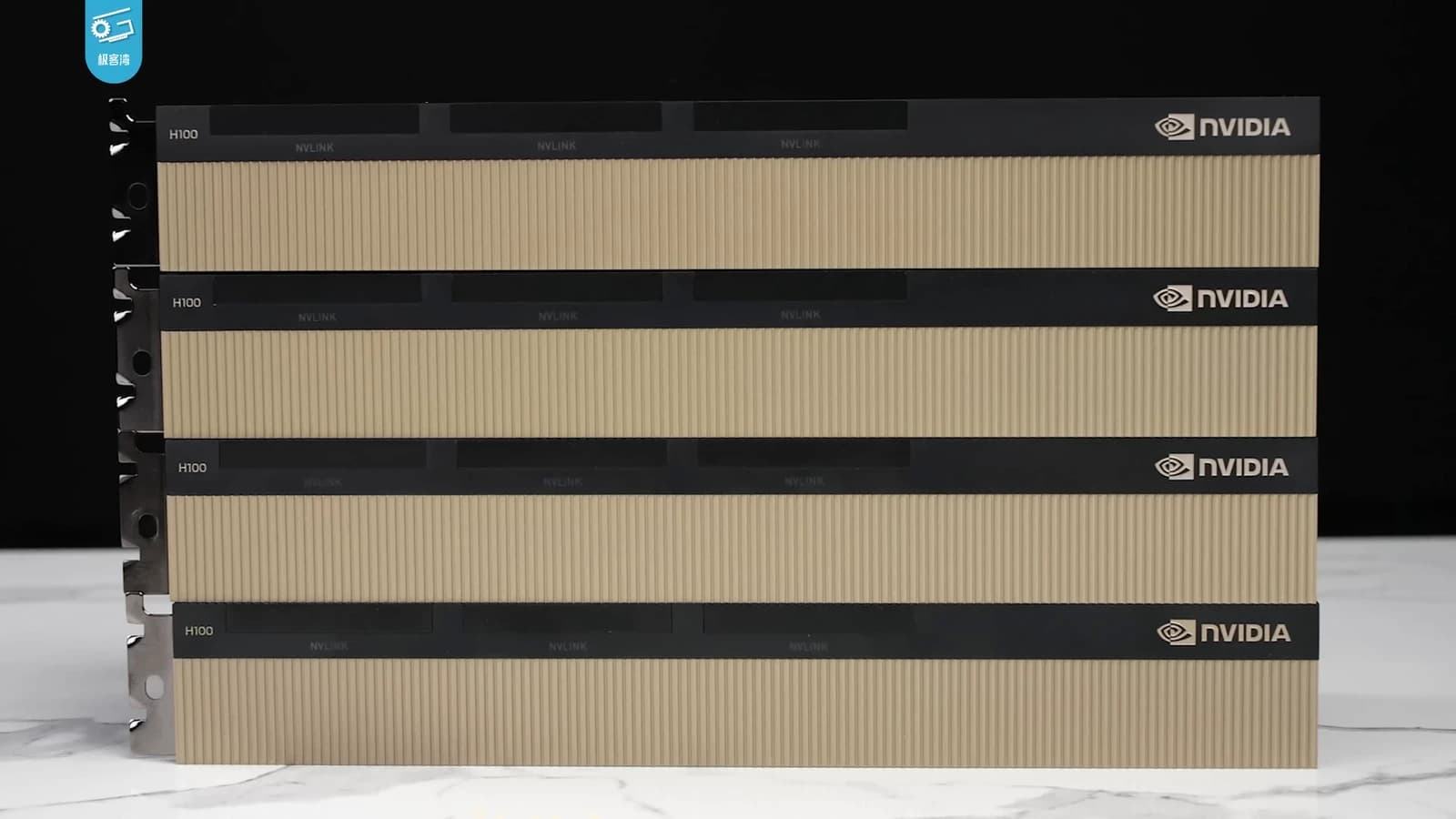
Nvidia’s latest surge in data-center demand is reinforcing the same market imbalance that has made high-end gaming GPUs more expensive and harder to buy: AI is soaking up premium chips, capacity is tight and the company’s supply commitments have ballooned to $279 billion as of late July.
Nvidia Data-Center Demand Tightens GPU Supply

That matters because the center of gravity in the semiconductor market has shifted decisively from consumer graphics to AI infrastructure. Nvidia’s role as the main supplier of accelerated computing for model training and inference means hyperscalers, cloud providers and enterprise customers are competing for the same silicon once targeted more heavily at gamers and workstation users. When the industry is capacity constrained, the highest-margin data-center products get priority, leaving retail buyers to absorb higher prices, fewer launches at meaningful discounts and more persistent shortages.
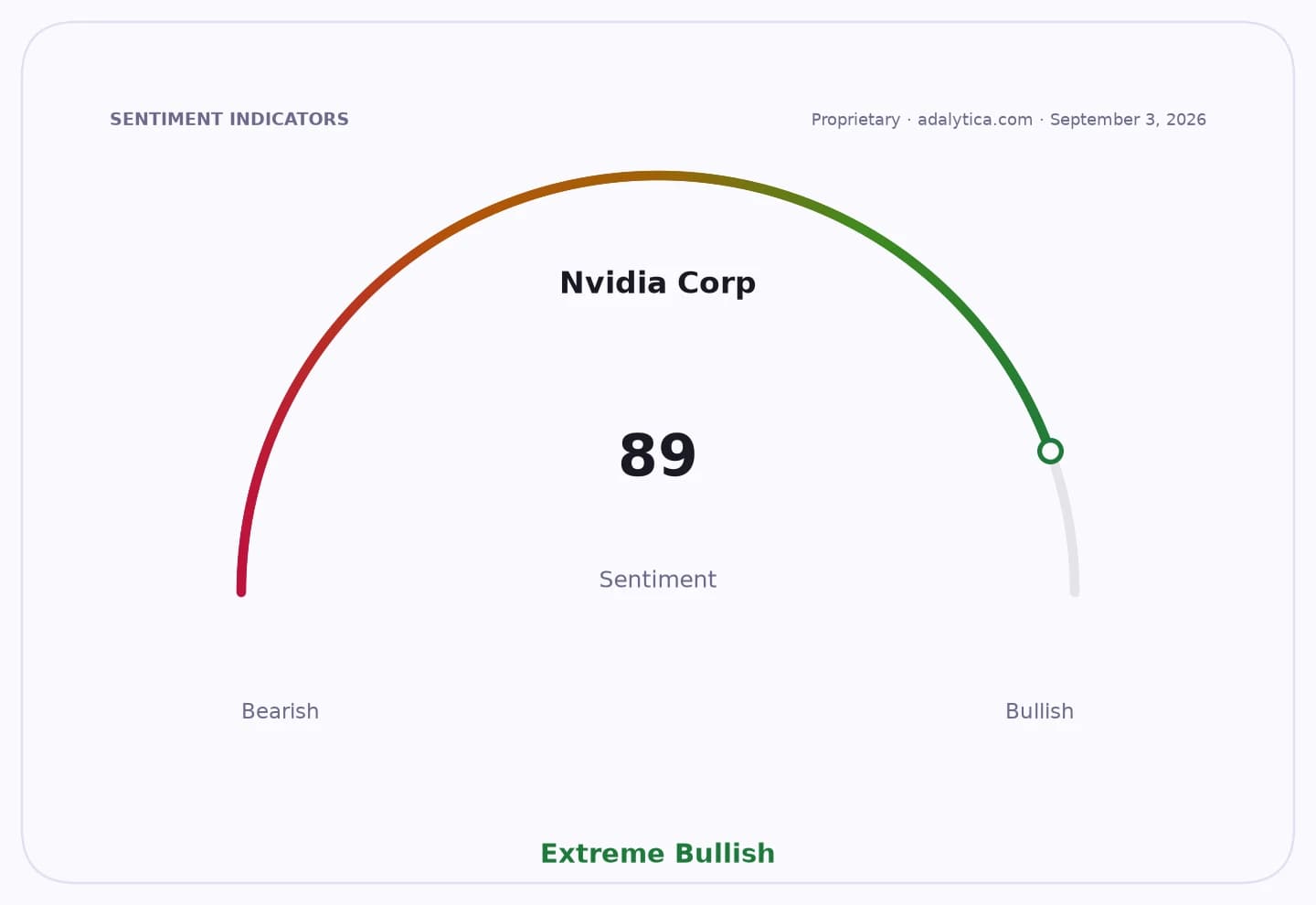
Sentiment IndicatorsⓘProprietary · adalytica.com · September 19, 2026
This is a snapshot — live sentiment, awareness and momentum for 130+ markets update continuously in the dashboard.Open AlphaPulse
The stock has reflected that tension. Nvidia shares closed at $222.27 in the latest session, above the 200-day moving average of about $198, but still below the 50-day average of roughly $214 after a volatile stretch. The stock’s recent price action suggests investors still believe in the long-term AI buildout, even as the trade has become more crowded and more sensitive to any sign that spending could slow or that supply constraints could ease.
The broader message for markets is that AI capex remains the dominant driver of semiconductor demand, even as concerns build over overheating, regulation and the concentration of spending in a small group of buyers. Adalytica’s NVIDIA Earnings Sentiment is in “Extreme Fear” at 11, underscoring the gap between strong structural demand and increasingly cautious positioning. That combination can keep the stock elevated on fundamentals while also making it vulnerable to sharp swings if margins, supply or customer demand come under pressure.
For investors, the near-term bull case is that Nvidia continues to monetize scarce supply at premium pricing, especially in data center systems and networking. The bear case is that the same scarcity that supports revenue today could invite substitution, regulatory scrutiny and eventual normalization in GPU availability, particularly if rivals and custom-chip efforts gain traction. Either way, the economics now point to a market where AI buildout wins and consumer graphics buyers pay the bill.
| Entity | Gains | Losses |
|---|---|---|
| Nvidia data-center unit | ▲Higher-margin AI demand | ▼Consumer GPU availability |
| Hyperscalers / cloud buyers | ▲Access to scarce compute | ▼Rising capital costs |
| Gamers / retail GPU buyers | ▲Little to none | ▼Higher prices, tighter supply |
| AMD / rivals | ▲Spillover demand over time | ▼Share in premium AI silicon |