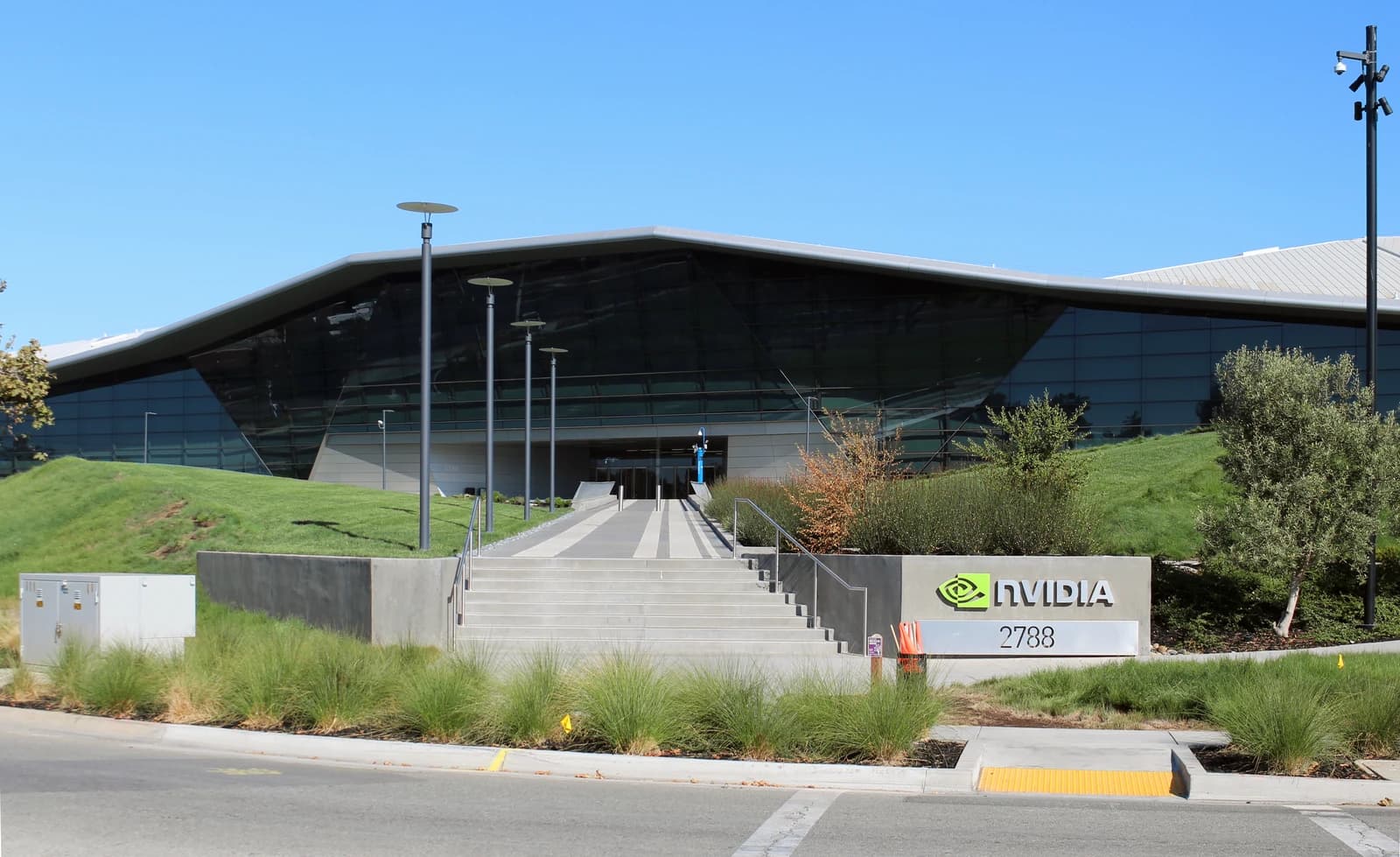
US House committee chairmen are pressing Nvidia chief executive Jensen Huang to explain his contacts with a businesswoman alleged to have ties to Chinese intelligence, putting the chipmaker back at the center of Washington’s widening scrutiny of advanced AI technology and China risk.
Nvidia faces House inquiry over China contacts
The request matters because Nvidia sits at the crossroads of two of the market’s biggest themes: the AI spending boom and the US drive to restrict China’s access to high-end chips. Any suggestion that the company’s customer relationships or internal safeguards could be questioned by Congress adds another layer of geopolitical overhang to a stock already showing heavy volatility.
Sentiment Indicators
The lawmakers — House Foreign Affairs Chairman Brian Mast, Select China Chairman John Moolenaar and House Intelligence Chairman Rick Crawford — asked for a closed-door briefing on Nov. 18, according to a letter dated Nov. 4 and released Thursday. The letter seeks details on Huang’s interactions with Alice Huang, an executive linked to Singapore-based Megaspeed, and on Nvidia’s procedures for protecting against espionage, but it is a request for an appearance, not a subpoena.
Nvidia said Huang’s meetings with customers are routine and involve ordinary commercial information, not sensitive trade secrets or material tied to national security. The company said it would expect US authorities to alert it if they believed a person posed a threat to American industry.
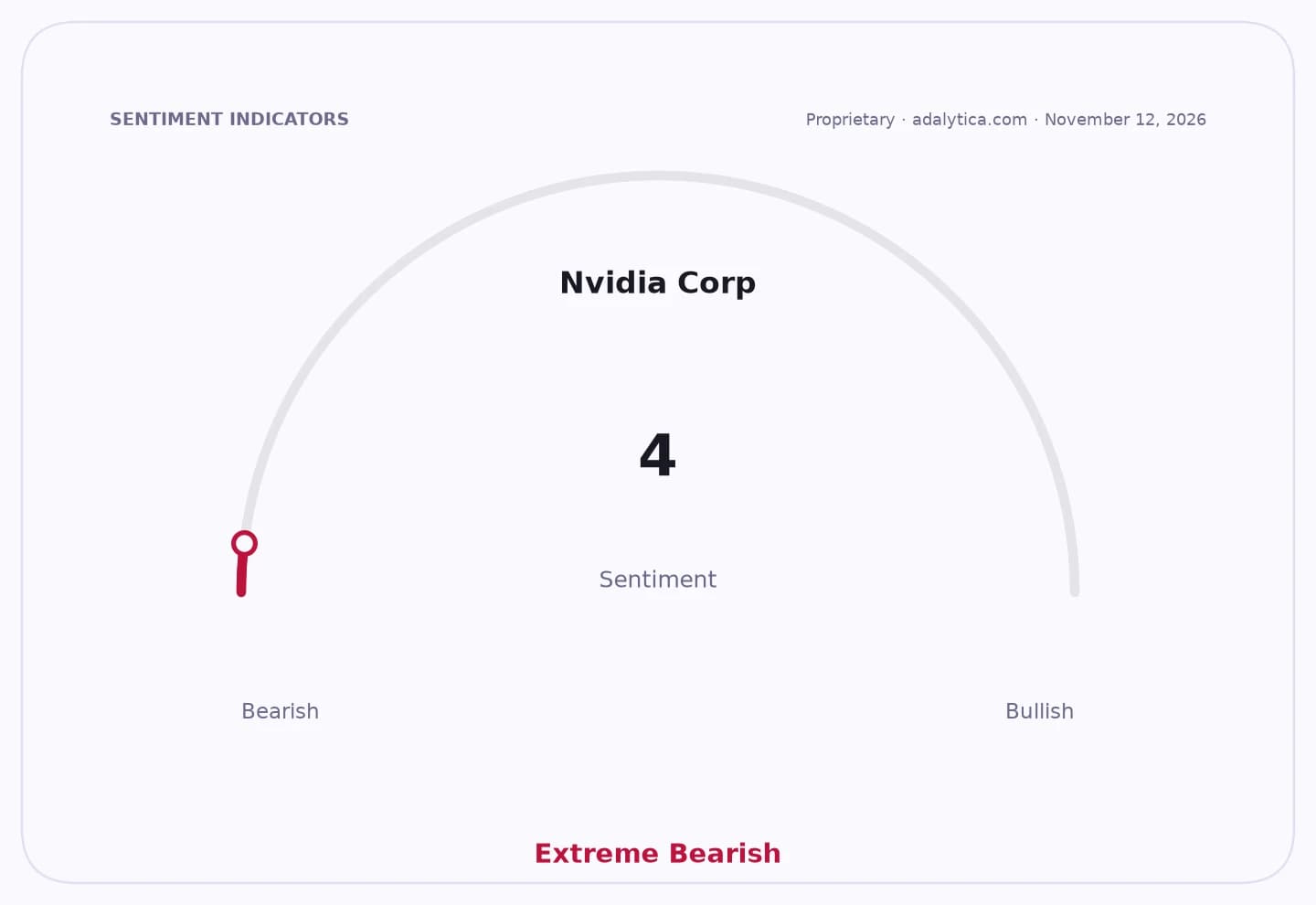
Nvidia Corp — 30-day sentimentadalytica.com
Explore this data interactively — full history, time series and cross-market comparisons.
The congressional move follows a New York Times report last month that said US intelligence officials had concluded Alice Huang was passing information to Beijing. That report said officials initially believed Jensen Huang did not know about her alleged activities, but the public committee letter does not set out any underlying intelligence evidence and does not allege he knowingly aided espionage.
For investors, the immediate issue is not a new ban or sanction. But the episode keeps alive the risk that Nvidia’s China exposure — already constrained by export controls — could face further political pressure, especially as lawmakers scrutinize how US firms and overseas intermediaries may be moving advanced AI hardware and computing capacity through Singapore and other hubs.
Nvidia shares have been under pressure in recent sessions. The stock closed at $168.89 on Nov. 10, down sharply from $221.97 on Oct. 21, with the 14-day relative strength index at 19.3, a deeply oversold reading. The 50-day moving average stood at $217.97, well above the share price, underscoring how quickly sentiment has reversed.
The broader backdrop is still supportive for Nvidia’s long-term AI demand, but the congressional inquiry shows how quickly geopolitics can hit valuation when the market is already fragile. The next catalyst is whether Huang agrees to the closed-door session and whether lawmakers follow up with a broader inquiry into Nvidia’s China-related business and compliance controls.
| Entity | Gains | Losses |
|---|---|---|
| US lawmakers | ▲More leverage over Nvidia | ▼Political risk if probe stalls |
| Nvidia | ▲Chance to defend practices | ▼Scrutiny, headline risk, stock pressure |
| Jensen Huang | ▲Opportunity to rebut claims | ▼Reputational damage if allegations linger |
| China-linked customers/intermediaries | ▲Little immediate impact | ▼Higher scrutiny, potential restrictions |