Nvidia’s reported investigation into possible spying comes at a fragile moment for the AI leader, adding a national-security overhang just as its stock has been crushed into technically oversold territory and investor fear has reached extreme levels.
Nvidia Investigation Raises Security Concerns
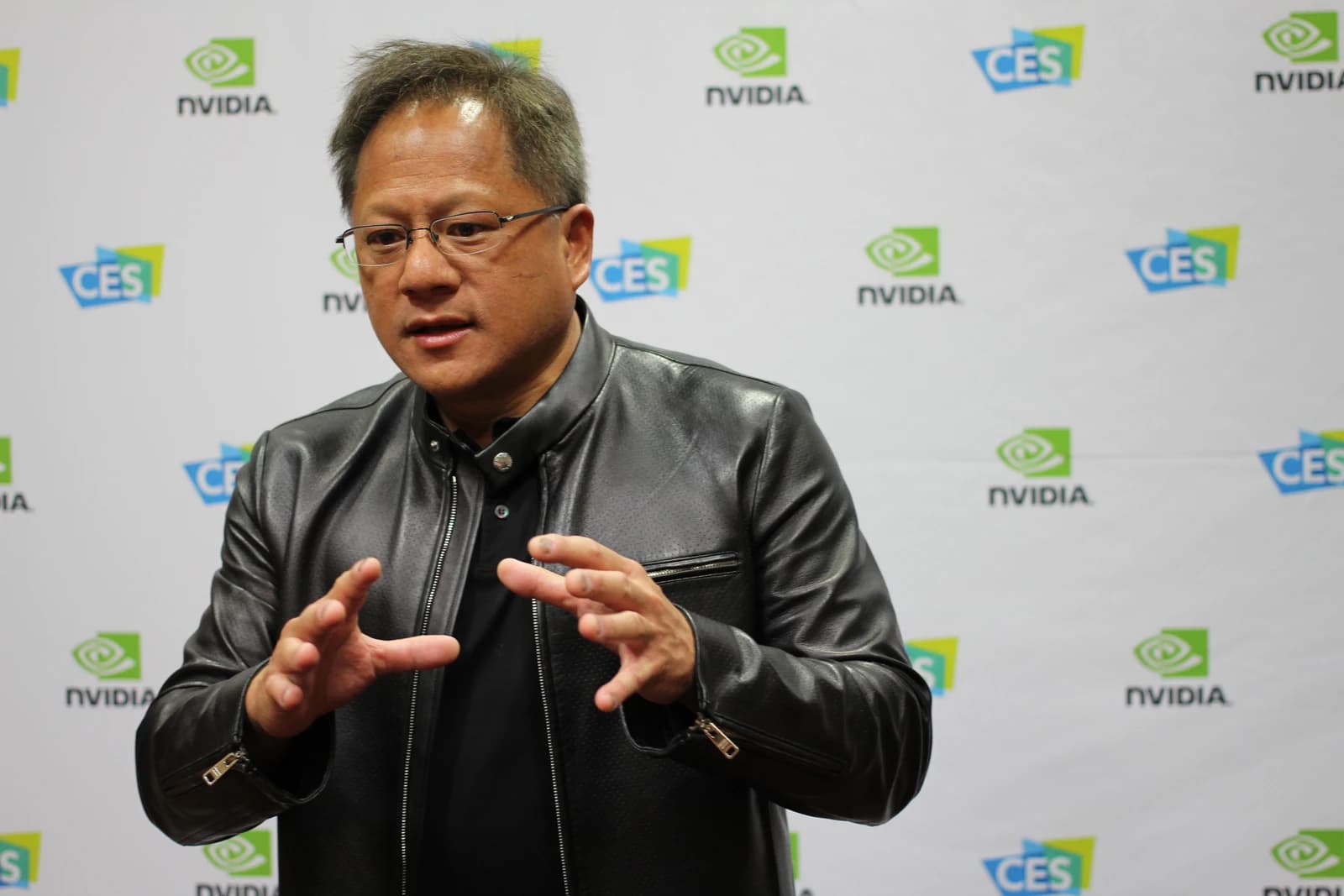
The case matters because Nvidia sits at the center of the AI supply chain. Any suggestion that sensitive information, relationships or access points inside the company may have been compromised raises the stakes well beyond one corporate scandal: it deepens scrutiny of how advanced chips, customer roadmaps and strategic partnerships are protected in an industry increasingly shaped by geopolitical rivalry.
Sentiment Indicators

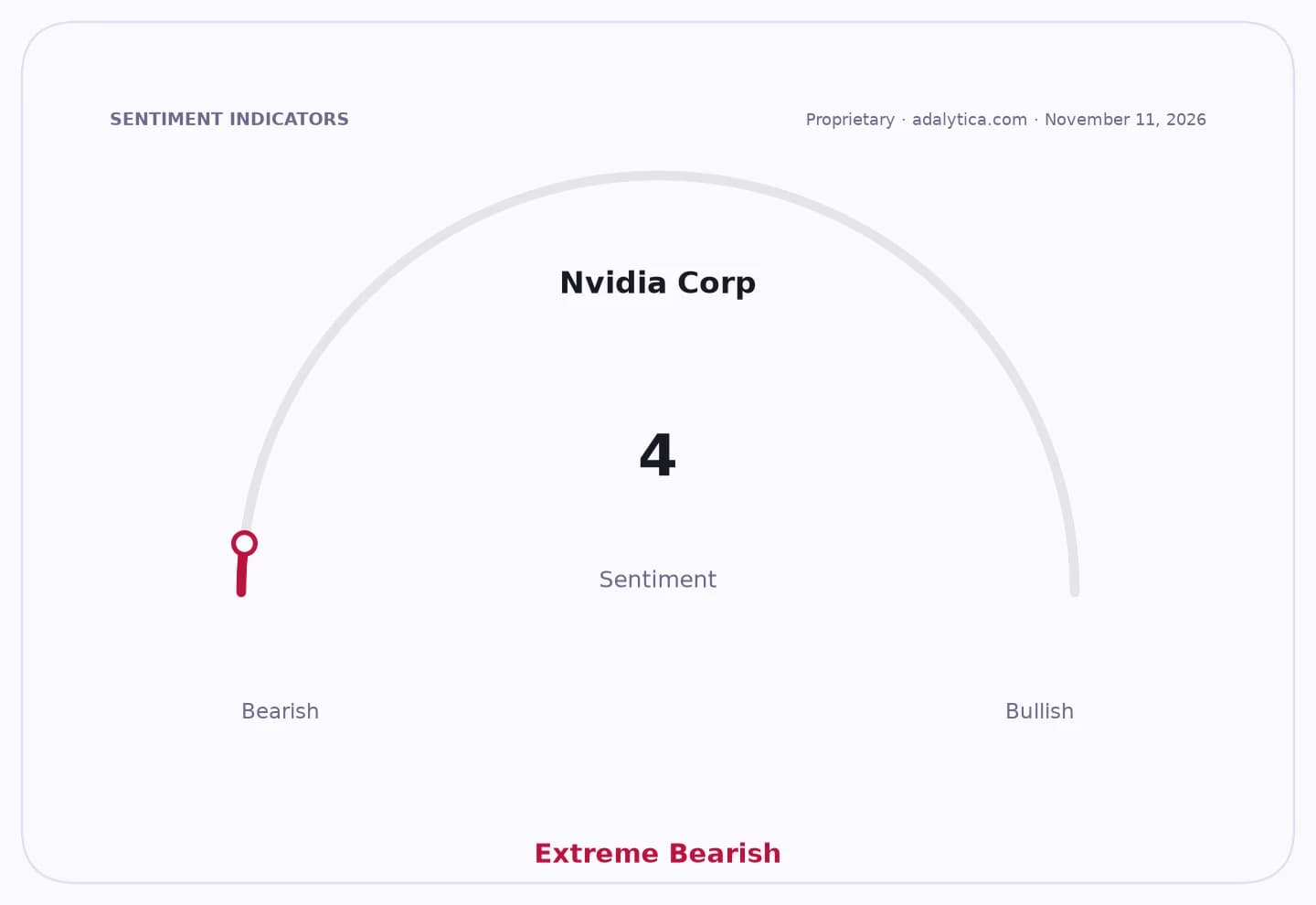
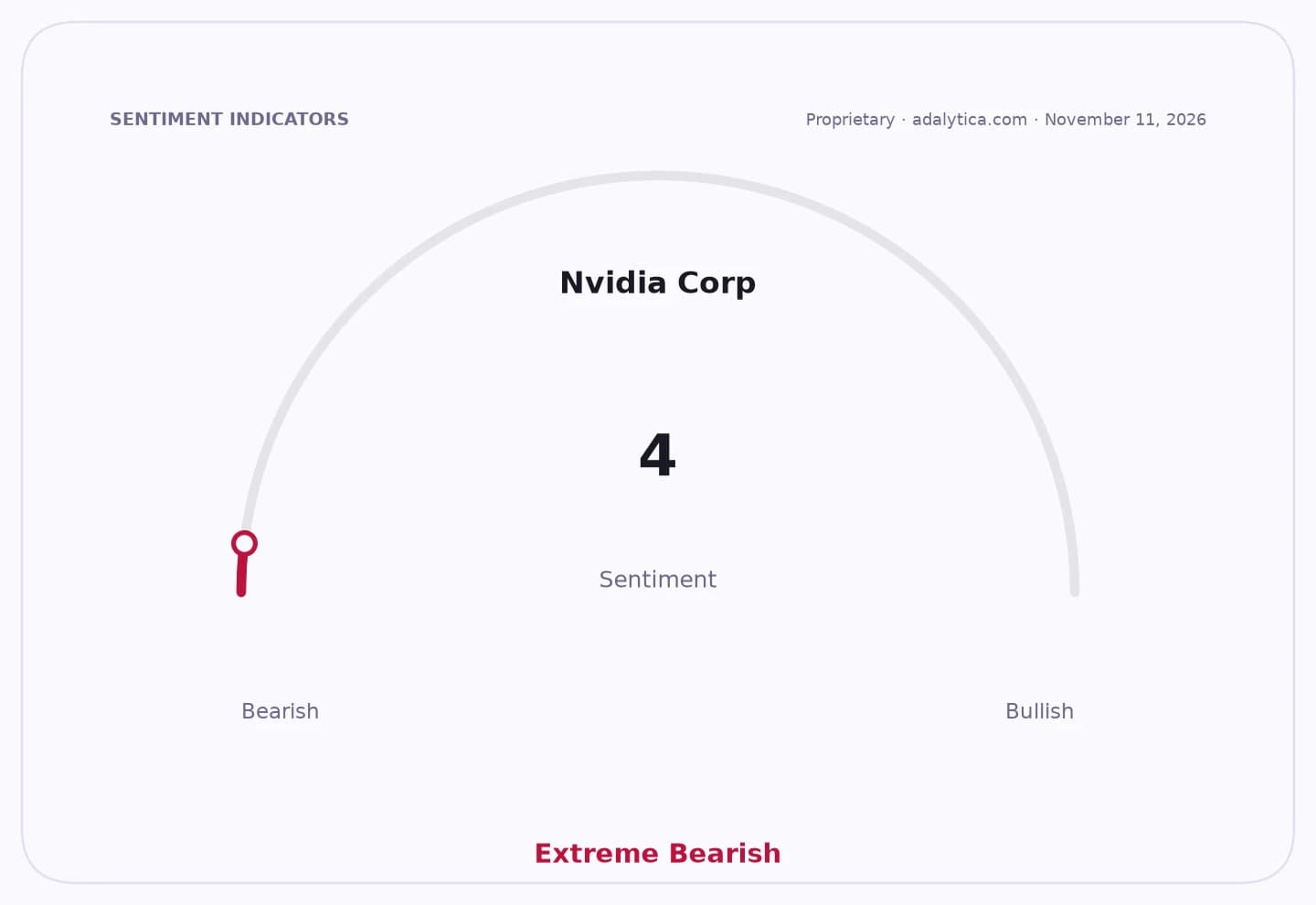
That is why the market reaction is so important. Nvidia has fallen to $162.85 from $221.97 in late October, a drop of nearly 27%, while its 50-day moving average has rolled over to 214.63 from well above the share price. RSI readings around 19 and a deeply negative MACD point to a stock that has been sold hard and quickly, with recent volume exploding to 747.7 million shares on Nov. 12 as investors rushed for the exit. Adalytica’s NVIDIA Earnings Sentiment snapshot shows “Extreme Fear,” even as awareness remains at “Extreme Greed,” a combination that suggests the name is still dominating attention while confidence collapses.
Investors should not read this only as a reputational issue. Nvidia is one of the few companies whose customer base spans hyperscale cloud, sovereign AI, defense-adjacent systems and advanced research. That makes security lapses especially sensitive, because trust is part of the moat. If the investigation broadens, the fallout could accelerate tighter controls across the AI ecosystem, increase compliance costs and push customers and governments to demand more compartmentalized access to model, chip and infrastructure data.
Nvidia Corp — 30-day sentimentadalytica.com
Explore this data interactively — full history, time series and cross-market comparisons.
The broader narrative is straightforward: AI is no longer just a growth story, it is a strategic asset class. That means the beneficiaries are not only the obvious chip designers and cloud platforms, but also cybersecurity firms, defense contractors and infrastructure providers that help secure the compute layer. The market tends to price Nvidia for demand and margin, but this episode is a reminder that geopolitical risk is becoming an operating cost of the AI boom.
For investors, the setup is now asymmetric. If the probe proves limited, Nvidia’s battered share price could rebound sharply once the panic fades. If it expands, the real opportunity may shift toward the companies that profit from the next wave of AI hardening: secure networking, identity management, surveillance-resistant communications and defense-tech suppliers. Either way, the message is clear — the AI trade is entering a new phase, and security is now part of the valuation equation.
| Entity | Gains | Losses |
|---|---|---|
| Cybersecurity firms | ▲higher demand | ▼none immediate |
| Nvidia | ▲potential rebound if limited | ▼reputational damage, margin risk |
| AI customers | ▲stronger security standards | ▼higher compliance costs |
| Defense contractors | ▲tighter security budgets | ▼slower procurement if probes widen |