Nvidia’s fast-growing neocloud ecosystem is running into a financing crunch, forcing the chipmaker to decide whether to keep stretching its balance sheet and reputation to support customers that need billions of dollars to build AI infrastructure.
Nvidia neocloud financing support faces crunch
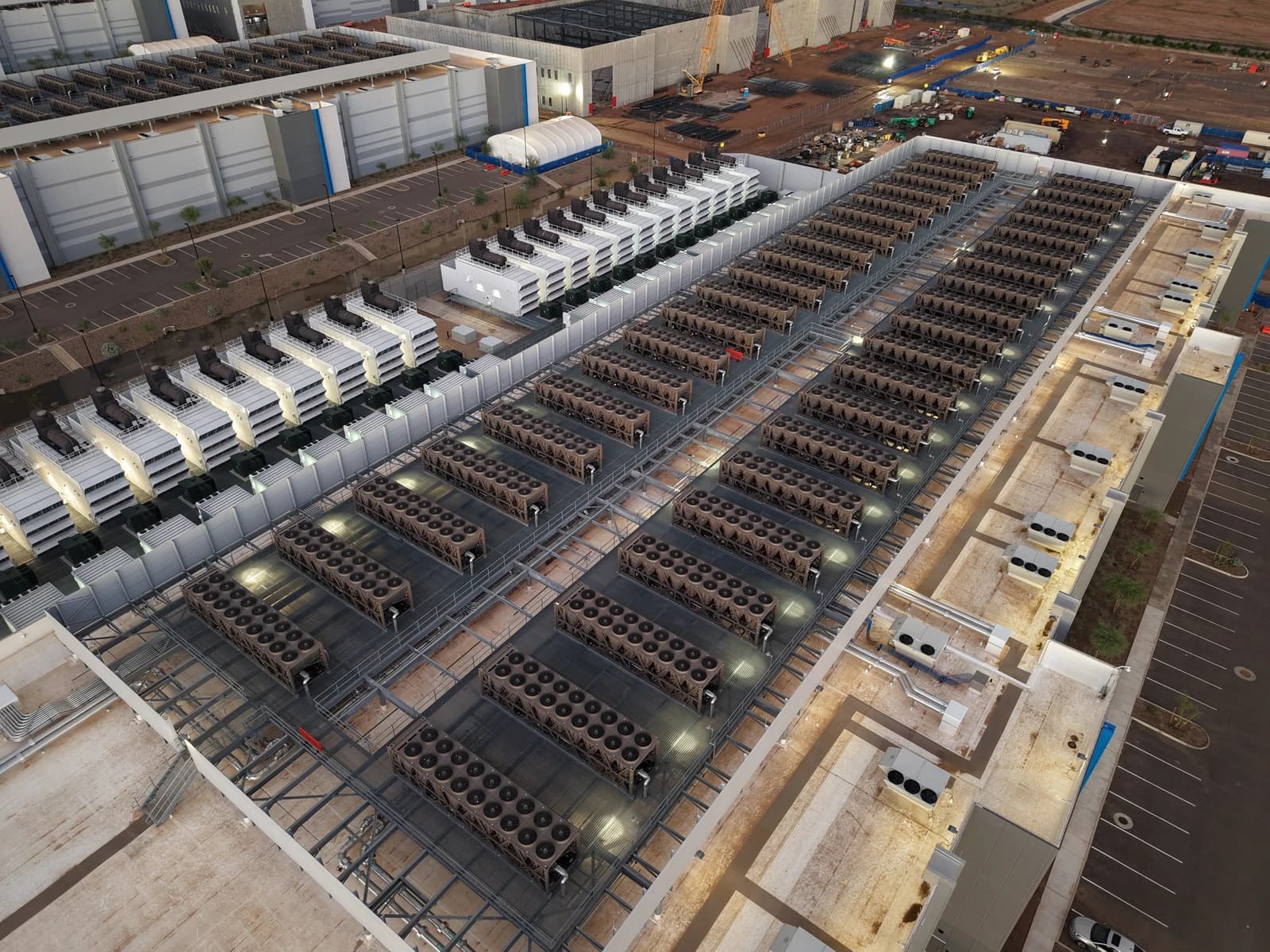
The issue matters because neoclouds have become an important extension of Nvidia’s growth model. These specialized providers rent out AI computing power and help broaden demand for Nvidia’s chips beyond the dominant hyperscalers — Google, Microsoft and Amazon — while also giving startups and model builders access to scarce capacity. But the same economics that make them attractive also make them fragile: they need heavy upfront spending on chips, power and data centers, and lenders are growing wary that delays, regulation and construction risk could leave them unable to service debt.
Sentiment Indicators
That tension is now showing up in the market. Neocloud shares fell Thursday on concerns that tougher data center rules could follow the midterm elections and that multibillion-dollar infrastructure projects tied to Microsoft are slipping. For lenders, the problem is more fundamental: AI demand remains strong, but cash flows from young operators are still unproven, and capital is getting more expensive as financiers demand more security. In a sector built on leverage, every delay in power hookups or permitting can hit returns hard.
Nvidia has already been pushed into an unusual role. In July, it unveiled a $36 billion program that promised to backstop some unused compute and help neoclouds borrow against those commitments, effectively acting as a guarantor to make financing easier. The company has also invested in some of these operators and structured deals to support their growth. But that support has limits, and Nvidia has already paused parts of the program amid antitrust concerns, according to the Wall Street Journal. It is now reportedly discussing a guarantee for construction financing tied to a West Virginia data center being built by Nscale for Anthropic — a deal that, if it went wrong, could leave Nvidia effectively exposed to a multibillion-dollar real estate asset it never intended to run.
For investors, the stakes are two-sided. On the bull case, Nvidia’s willingness to underwrite customers can accelerate AI infrastructure spending, preserve chip demand and deepen lock-in across the ecosystem at a time when hyperscaler competition is intensifying. On the bear case, the more Nvidia stands behind neoclouds, the more it risks becoming a quasi-financial intermediary, taking on credit, execution and regulatory risk outside its core business.
The broader market implication is that the neocloud boom may be entering a shakeout. Gartner expects roughly 80% of neoclouds to stop operating independently by 2030, and lenders are already funneling capital toward the largest and best-connected players. Smaller operators may be forced to sell assets rather than businesses, with chips, data center capacity, customer contracts and technical teams becoming the real prizes.
That makes Nvidia’s next move crucial. If it keeps expanding support, it may preserve the ecosystem that has amplified demand for its GPUs. If it pulls back, weaker neoclouds may struggle to finance the next wave of AI buildout, and consolidation could arrive faster than the industry expected. Either way, the era of easy money for AI infrastructure is ending, and Nvidia is being asked to decide how much of that gap it is willing to fill.
| Entity | Gains | Losses |
|---|---|---|
| Nvidia | ▲More chip demand; tighter ecosystem control | ▼Balance-sheet and credit risk |
| Strong neoclouds | ▲Easier financing; asset growth | ▼More dependence on Nvidia support |
| Small neoclouds | ▲Potential asset buyers | ▼Higher funding costs; weaker survival odds |
| Lenders | ▲More secured structures | ▼Lower upside; greater project risk |