Advanced Micro Devices is telling investors that its AI data center business is still in the early innings, with Chief Executive Lisa Su saying revenue in the segment should more than double in 2027 as hyperscale customers keep building out AI infrastructure.
AMD says AI data center revenue will double in 2027
That matters because AMD’s AI chips are no longer just a growth add-on; they are becoming the core of the company’s earnings story. Su said on the third-quarter earnings call that server revenue should double in 2027 and that Data Center AI revenue would grow even faster than management had projected only 90 days ago. She added that the data center business should account for more than 80% of total company revenue next year, underscoring how quickly AMD is pivoting toward an AI-led model.
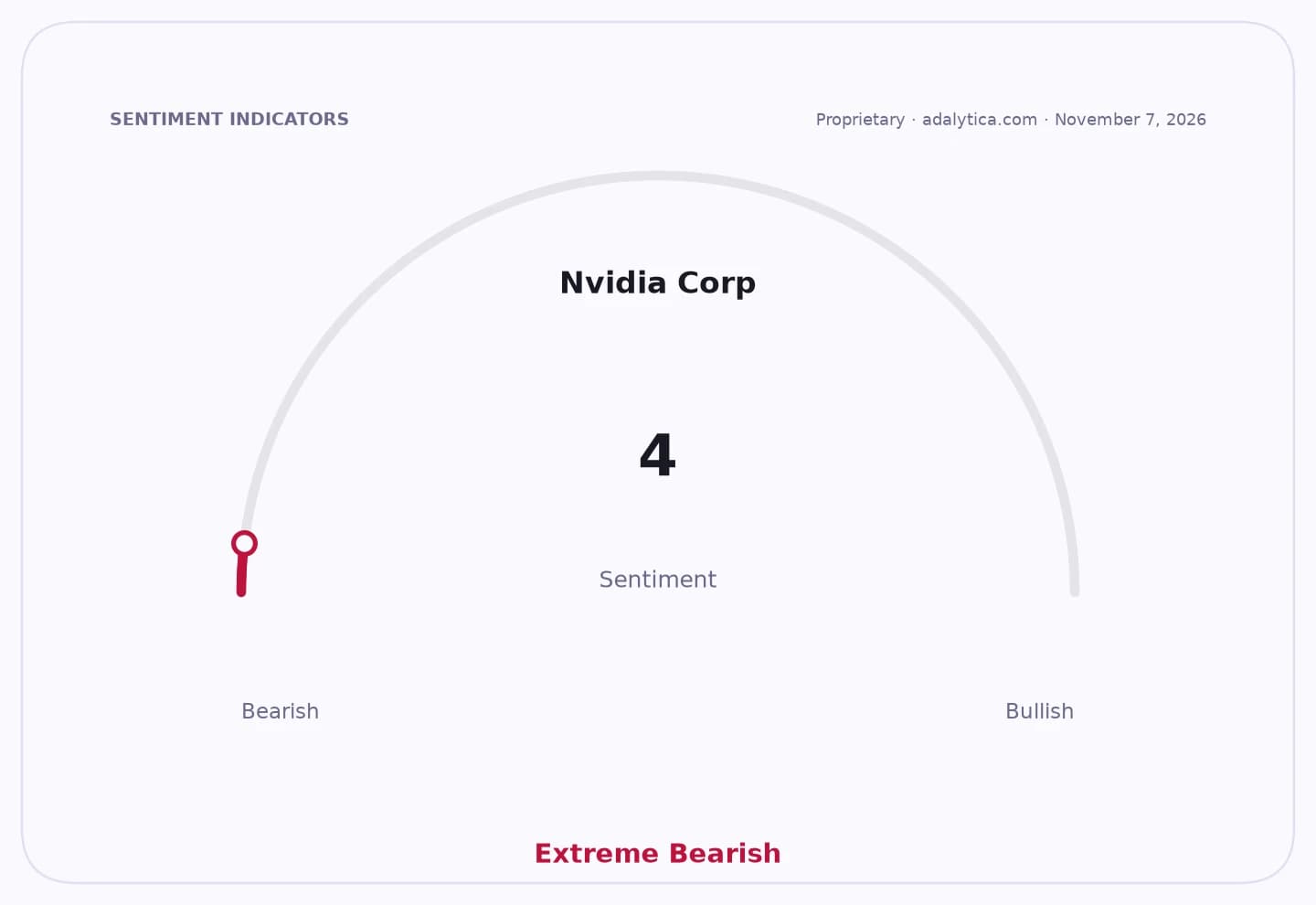
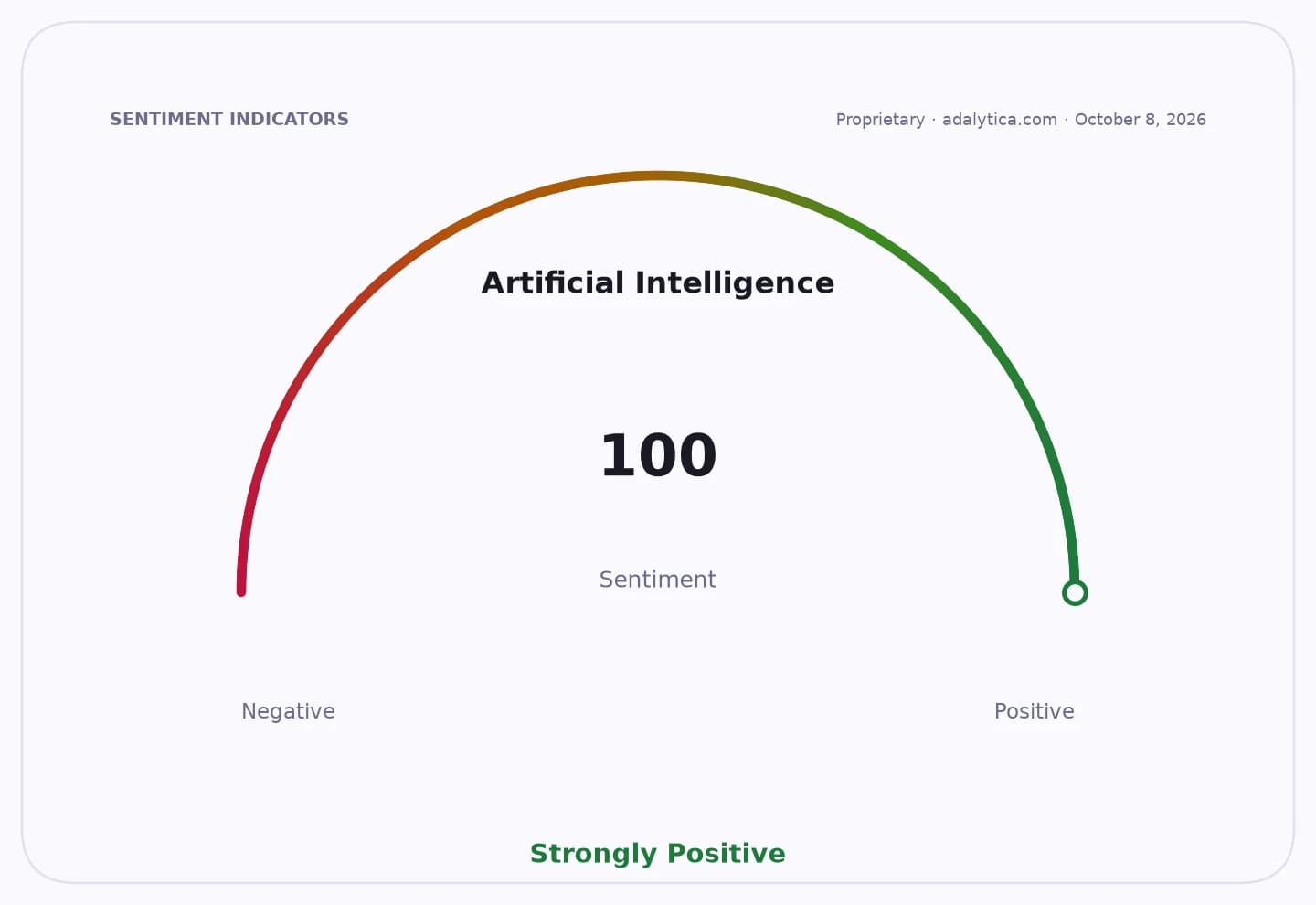
Sentiment Indicators
The comments reinforce a broader message from the semiconductor industry: AI capex has not rolled over. Wedbush analyst Matt Bryson kept an Outperform rating and a $600 price target, saying he sees no sign of weakness in the data center supply chain and that recent commentary from companies including Supermicro points to robust spending. For investors, that helps support the view that the AI infrastructure buildout remains a multi-year cycle rather than a short-lived surge.
AMD is already seeing that demand in its own numbers. The company said its Data Center AI revenue is expected to surpass server CPU revenue in the fourth quarter, a notable milestone for a business once dominated by central processors. In its latest 10-Q, AMD reported Data Center revenue of $8.5 billion in the September quarter, up 97% from a year earlier, and $21 billion in the first nine months of 2026, up 87% year on year, driven by EPYC processors and Instinct GPUs.
The supply side is also tightening the story. Su acknowledged demand is running ahead of available capacity and said AMD is working with supply-chain partners to increase output. That is bullish for revenue visibility, but it also means execution risk remains high: any bottlenecks in packaging, memory, networking or rack integration could delay shipments and temper the pace of recognition. Still, the fact that demand is outstripping supply is preferable to the alternative for a company trying to gain share from Nvidia in accelerated computing.
The market backdrop suggests investors are increasingly focused on who can actually monetize AI infrastructure, not just talk about it. Nvidia remains the sector leader, but its shares have been volatile amid concerns about valuation and the sustainability of spending. AMD, by contrast, is leaning on a simpler pitch: rising deployment volume, better product mix and a larger share of the AI server stack. If the company can turn that into sustained margin expansion, the case for a rerating strengthens.
There are reasons for caution. AMD’s shares have already had a big run this year, and the stock can remain sensitive to any sign that customer orders are slipping, competitive pricing is intensifying or expectations have moved too far ahead of execution. But with AI infrastructure spending still strong and AMD now guiding to a much larger data center mix, the burden of proof has shifted toward the bears.
For investors, the key catalysts are clear: the 2027 ramp in Instinct GPUs and Helios rack systems, the pace of supply expansion, and whether AMD can sustain growth into a business that increasingly determines the company’s valuation.
| Entity | Gains | Losses |
|---|---|---|
| AMD | ▲Faster revenue growth | ▼Execution bottlenecks |
| AI data center customers | ▲More compute supply | ▼Higher capital spending |
| Nvidia | ▲Sector demand stays strong | ▼Share gains pressure |
| Wedbush bulls | ▲Target supported | ▼Bearish thesis weakened |