Nvidia’s latest robot demo went viral because it did more than showcase small machines doing tricks: it turned Jensen Huang’s stagecraft into a live marketing case for the company’s push into physical AI, a market Nvidia is trying to make as central to its growth story as graphics and data-center chips.
Nvidia Microduck Robot Demo Boosts Physical AI Push
Nvidia Corp
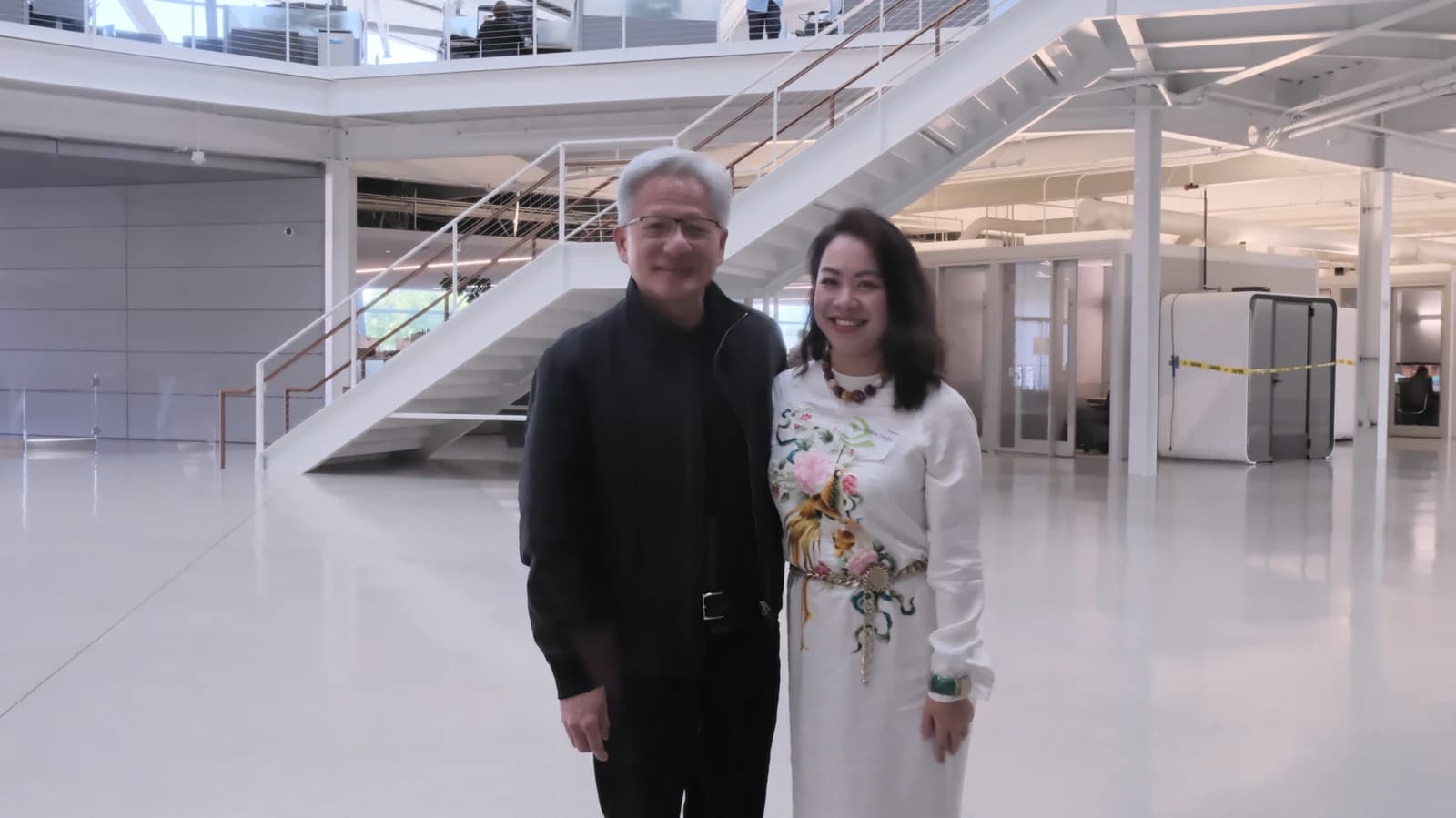
The video, filmed at Nvidia’s GTC conference in Berlin, showed Huang prompting the open-source Microducks to sit, stand, lie down and even attempt a somersault. What mattered to investors was not the spectacle itself, but the architecture behind it: Huang said the robots were trained using Nvidia’s RTX Spark system and its Omniverse digital-simulation tools, underscoring how the company is trying to sell not just GPUs, but the software and computing stack that connects simulation to the real world.
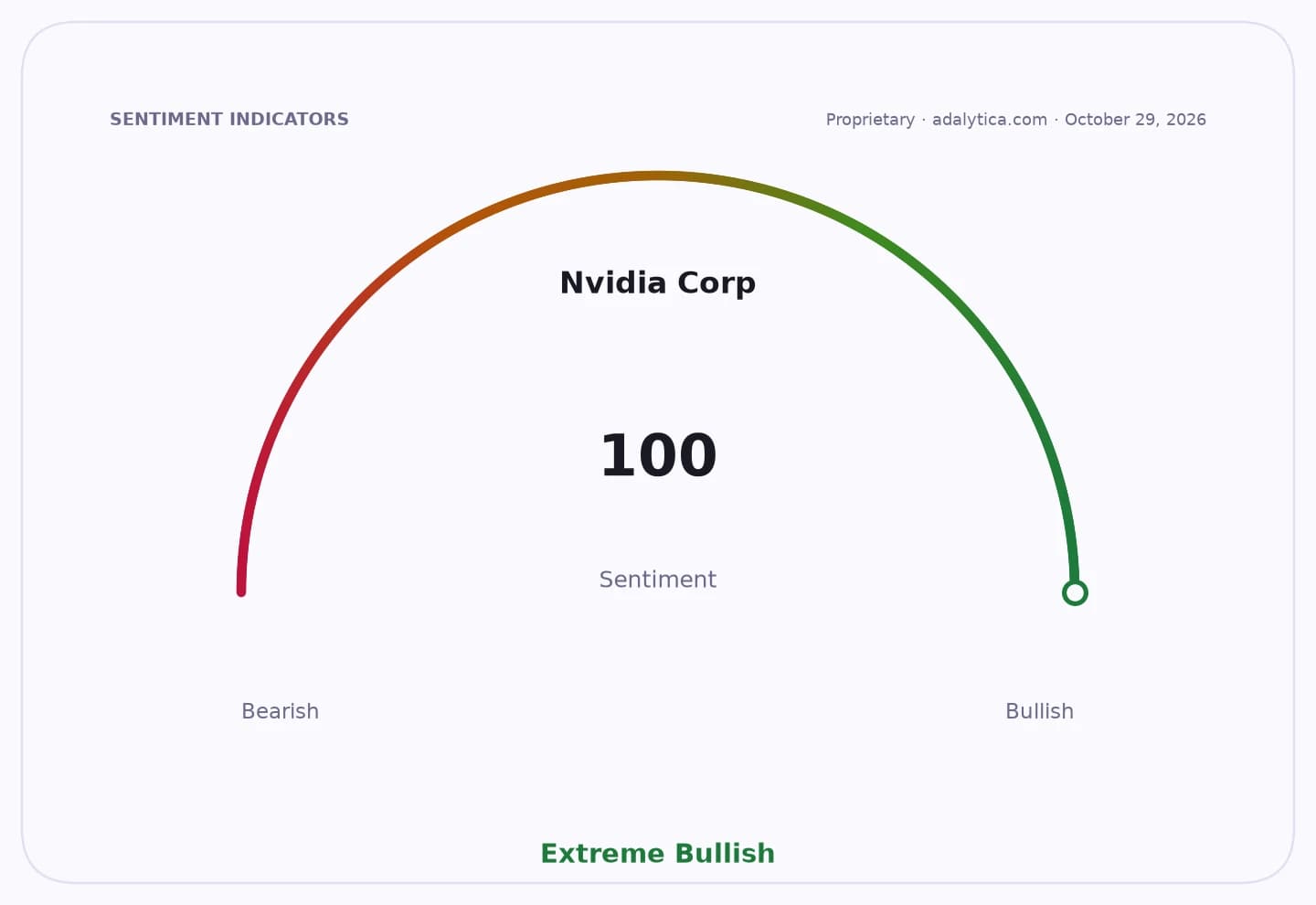
Sentiment Indicators
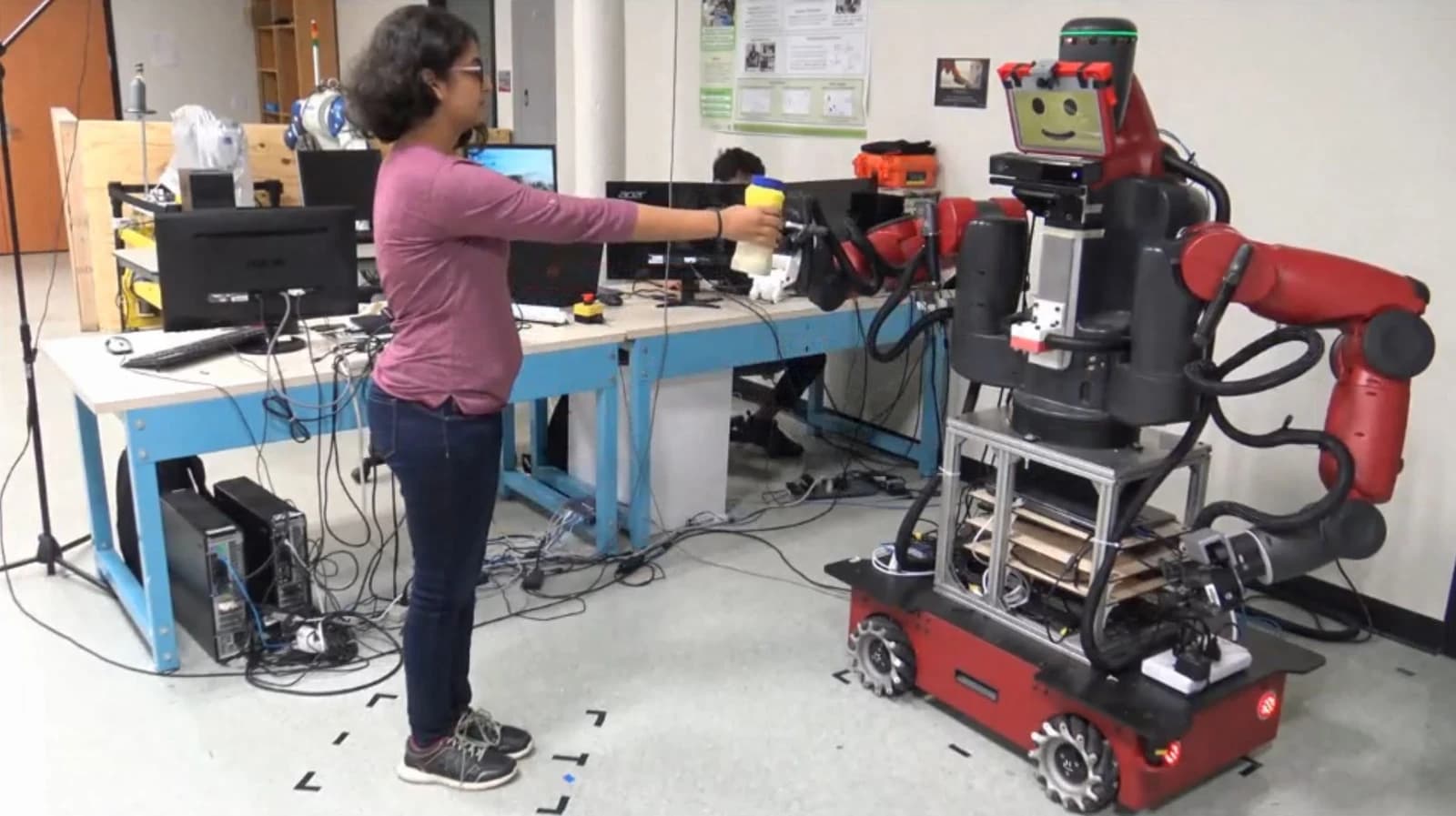
That strategy matters because robotics could become a new demand layer on top of Nvidia’s already dominant AI infrastructure business. Nvidia has been explicit in filings that its platform is used for robotics, digital twins and autonomous systems, while also flagging regulatory risks around AI hardware and software. The company is positioning itself as the supplier of the tools needed to build and train robots before they ever leave the lab, a higher-value proposition than selling chips alone. If that workflow scales, it broadens Nvidia’s addressable market beyond data centers into industrial automation, consumer devices and service robots.
The Microduck moment also highlights how fast investor enthusiasm can turn a demo into commercial momentum. Hugging Face said pre-orders for the robots topped 20,000 the day after the video spread. That is still small in revenue terms versus Nvidia’s core businesses, but it is an important signal that physical AI can attract retail attention as well as enterprise interest. Hugging Face’s ownership of Pollen Robotics gives the product an open-source angle that could help drive developer adoption, while Nvidia gains a high-profile example of its ecosystem powering real-world robotics applications.
The market backdrop is supportive. Robotics and physical AI remain one of the more eagerly funded corners of the AI trade, with startups raising sizable rounds and manufacturers pushing to automate tasks once reserved for humans. Nvidia shares have been volatile, and recent price action shows the stock below its 50-day moving average with momentum indicators weakening, even though it remains above its 200-day average. That suggests investors are no longer buying the story blindly; they want evidence that the AI buildout can keep expanding into new categories.
For bulls, the significance is that Nvidia is extending its brand from silicon supplier to platform owner in one of the next major AI frontiers. For bears, the risk is that viral demos can outpace revenue realization, and that robotics adoption will take longer than the market hopes. Still, Huang’s Microduck cameo reinforced a crucial narrative: Nvidia is not just powering generative AI in the cloud, but trying to own the tools that teach machines how to move in the physical world.
| Entity | Gains | Losses |
|---|---|---|
| Nvidia | ▲Stronger robotics narrative | ▼Limits to near-term revenue |
| Hugging Face | ▲More pre-orders | ▼Execution pressure on delivery |
| Robotics investors | ▲Validation of physical AI | ▼Hype if adoption stalls |
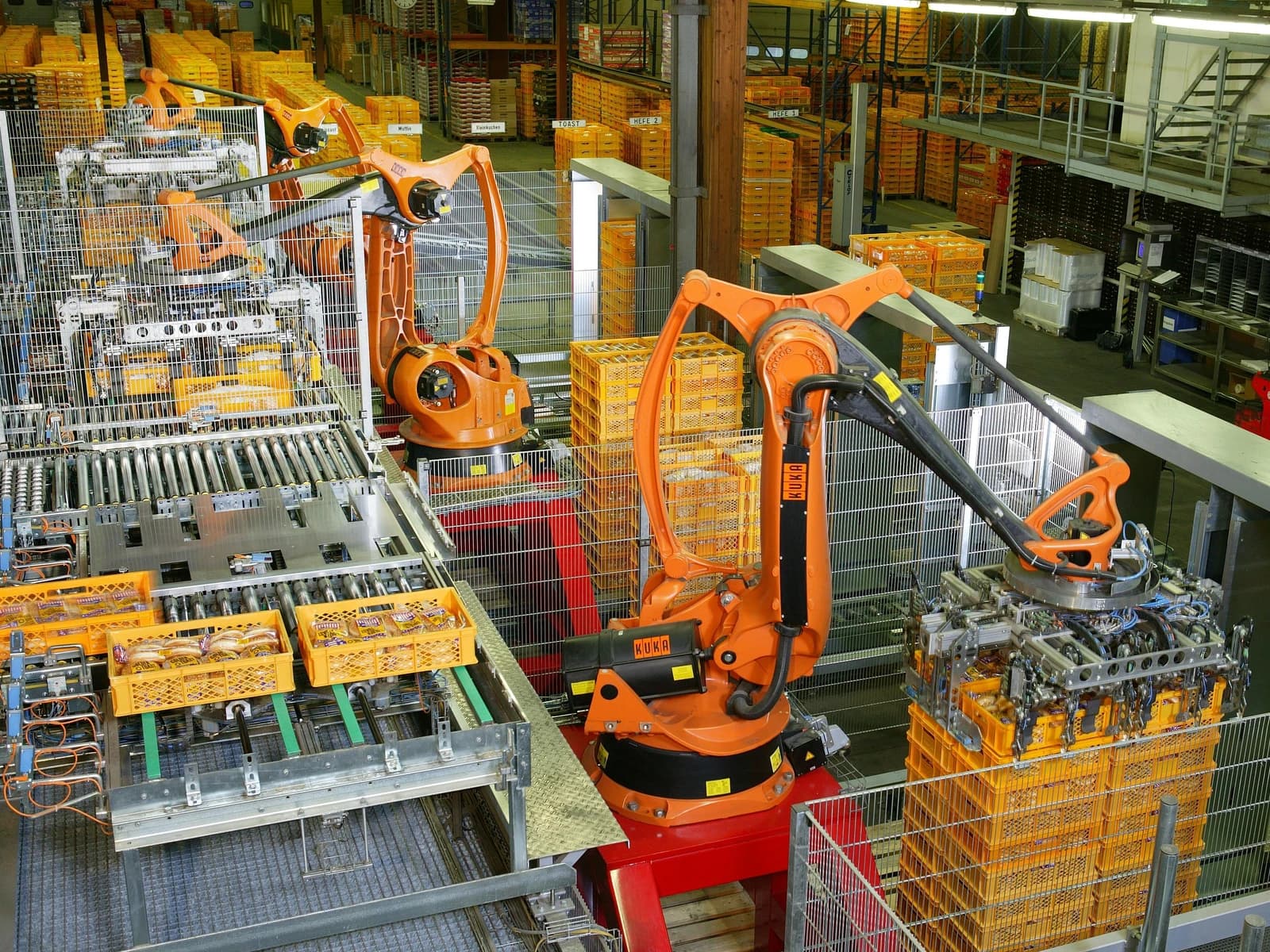
| Traditional automation rivals | ▲Sector attention | ▼Mindshare to Nvidia ecosystem |