The AI race is moving from hype to hard spending, and that is the most investable theme coming out of Budapest’s AI Summit: artificial intelligence is no longer a concept trade, but an infrastructure cycle that is still early enough to reward the suppliers of compute, cloud and enterprise software.
Nvidia, Microsoft, Alphabet in AI spending cycle

That matters because the next phase of AI adoption is about deployment, regulation and integration, not just model launches. The conference in Budapest, billed as the region’s biggest AI event, is focused on the practical questions that will determine where capital flows next: autonomous enterprise agents, the EU AI Act, physical AI in mobility and robotics, and the use of algorithms in finance and commerce. That is exactly where the market is still mispricing the opportunity. The winners are not just the headline AI platforms. They are the companies building the picks-and-shovels beneath them.
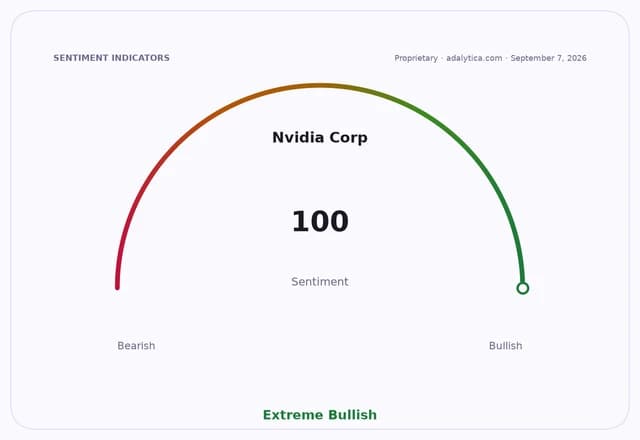
Nvidia remains the clearest barometer of that spending wave. The stock has climbed to $230.36, far above its 50-day moving average of $210.57 and 200-day moving average of $196.53, with its relative strength index near 53.7 and MACD turning positive again. In plain English, the chart says the market is still willing to pay for the AI buildout. That matches the fundamentals: Nvidia’s latest filing showed revenue of $96.2 billion, up 106% from a year earlier, while data center sales surged 117% to $89 billion on the back of its Blackwell Ultra ramp. The message is simple — the capex cycle is still translating into real orders.
Microsoft is the other obvious beneficiary, but the story is bigger than one ticker. Microsoft closed at $499.70, just below its 50-day moving average of $443.56? No — the more important point is that the stock has rebounded sharply from its mid-year washout, with its recent price action showing buyers stepping back in after a deep reset. The company’s latest 10-K said cost of revenue rose 12% due to AI infrastructure investment supporting Microsoft 365 Copilot seat and usage growth. That is the kind of spending investors should want to see: not speculative AI rhetoric, but monetization tied to enterprise workflows.
Artificial Intelligence vs NVDAadalytica.com
Explore this data interactively — full history, time series and cross-market comparisons.Open AlphaPulse
Alphabet, meanwhile, is proof that the AI arms race is widening beyond the usual suspects. Shares at $338.46 sit just under the 50-day moving average of $348.35, with the stock digesting a strong run even as Google continues centralizing advanced AI research at the parent level. That structure matters because it shows AI is becoming a corporate-wide capital allocation priority, not a side project. For investors, the implication is that cloud, search, advertising and agentic tools are all in play as AI gets embedded into daily digital behavior.
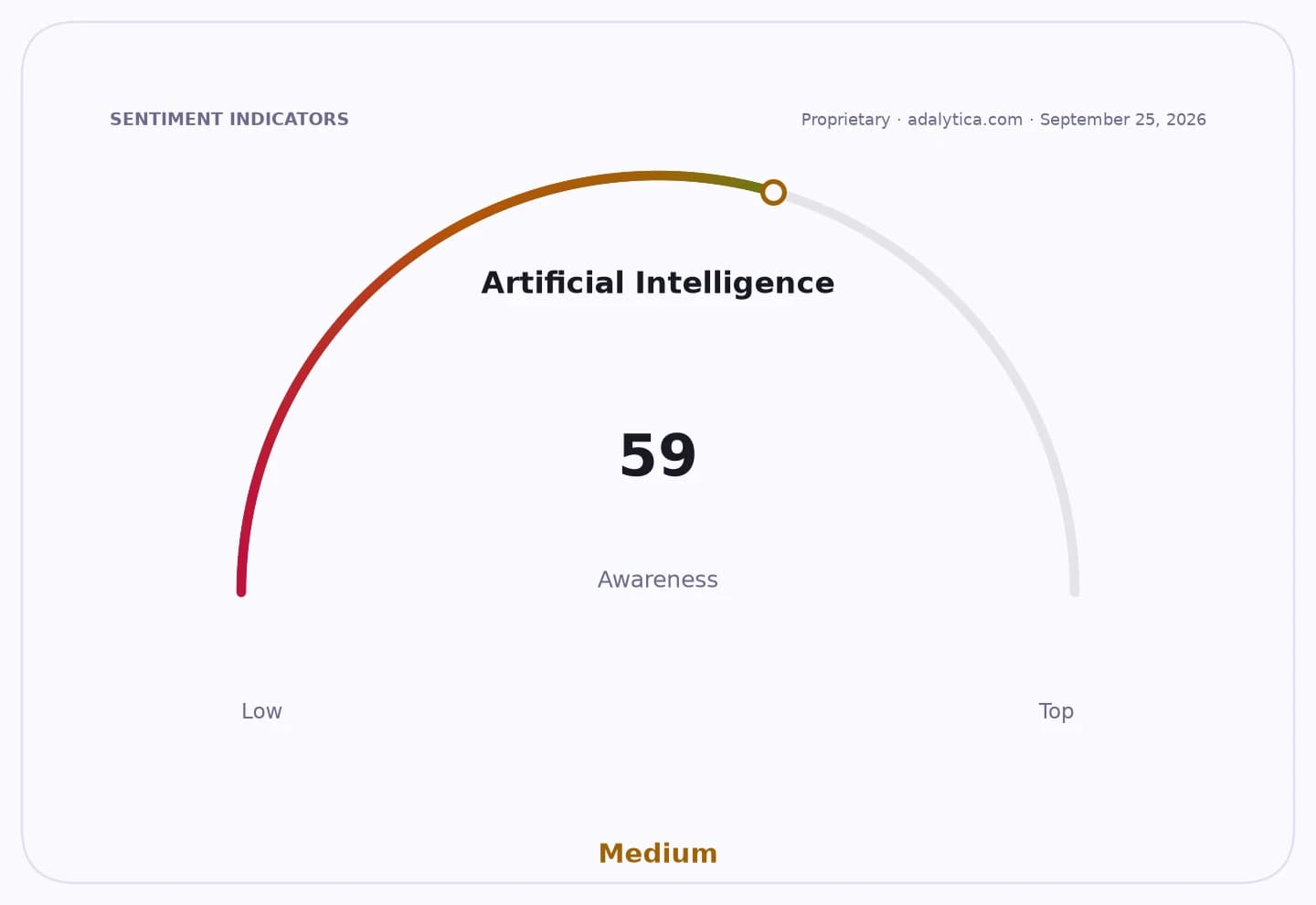
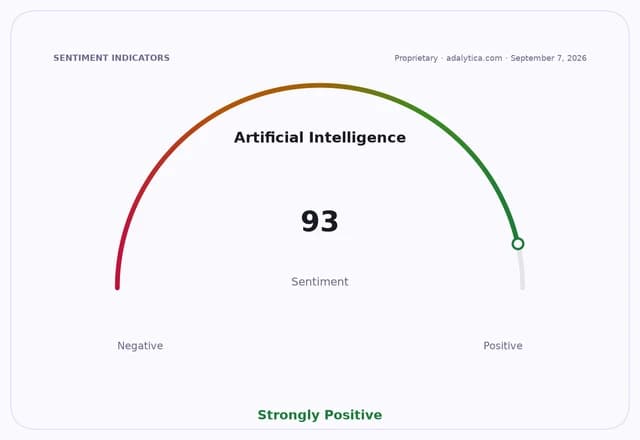
The broader market still looks split. Adalytica’s proprietary AI sentiment gauge shows extreme greed at 93, while S&P 500 trade signals sit in extreme fear. That combination usually means the market is excited about the theme but uneasy about the index-level risk. In our view, that is exactly when selective exposure works best. Investors do not need to chase the entire market. They need to own the infrastructure layer where the spending is still compounding.
That is why Budapest matters more than it may first appear. The event’s emphasis on enterprise agents, regulation and physical AI is a reminder that the next winners will be those exposed to deployment, compliance and automation at scale. Over the next 12 to 24 months, that should keep capital flowing toward Nvidia, Microsoft, Alphabet, cloud infrastructure, data-center buildouts and industrial automation plays tied to AI adoption. The market is still early in pricing that second wave.
| Entity | Gains | Losses |
|---|---|---|
| Nvidia | ▲Data-center demand | ▼AI skeptics |
| Microsoft | ▲Copilot monetization | ▼Legacy software margins |
| Alphabet | ▲AI integration across products | ▼Search-only narrative |
| Enterprise AI adopters | ▲Productivity gains | ▼Firms delaying investment |