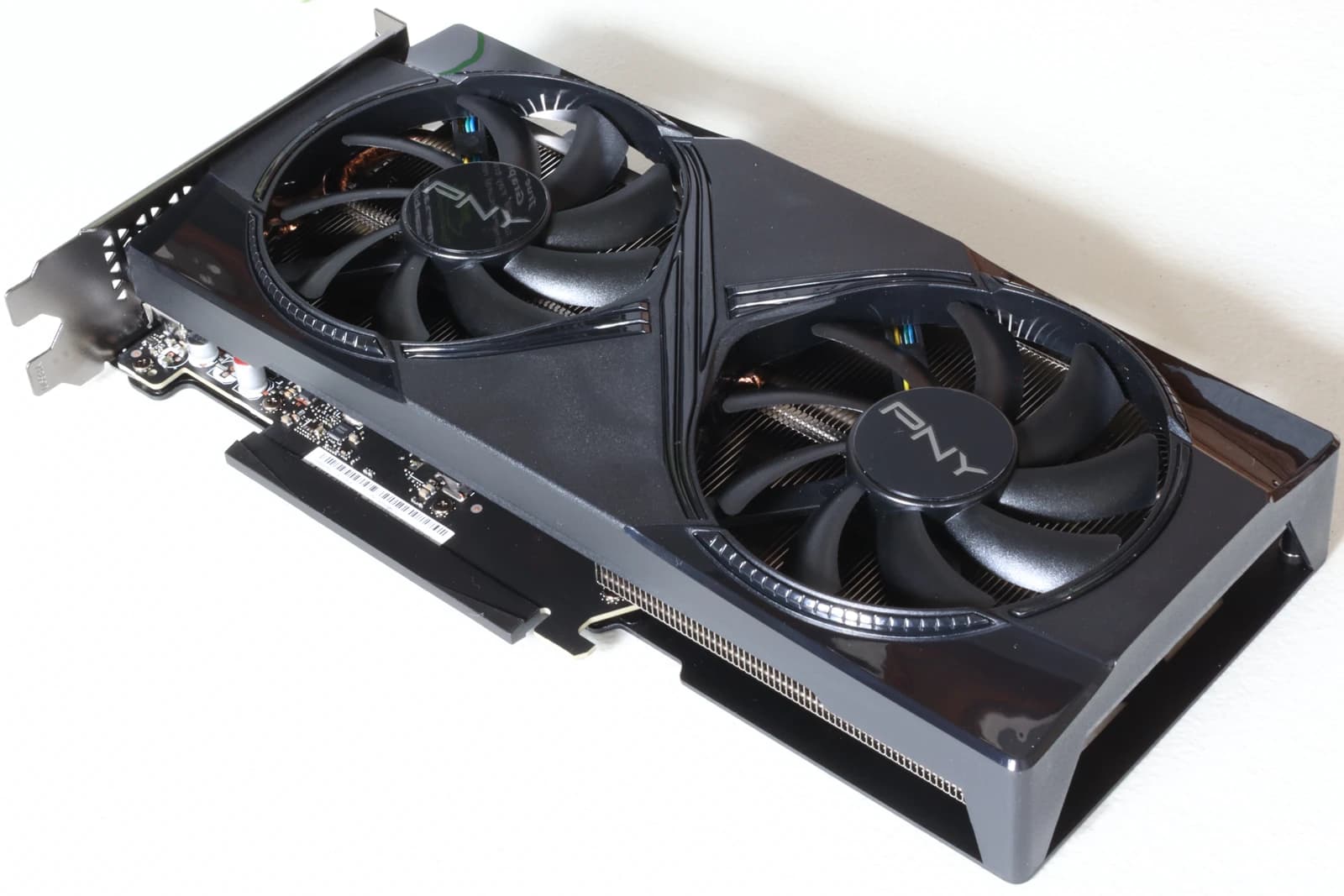
Nvidia has pushed back against reports that it was ending production of its GeForce RTX 5090, saying the flagship consumer graphics card remains an important part of the GeForce line and will continue to ship, but the statement does not resolve the bigger issue for gamers and retailers: the card is still hard to find.
Nvidia says RTX 5090 will keep shipping
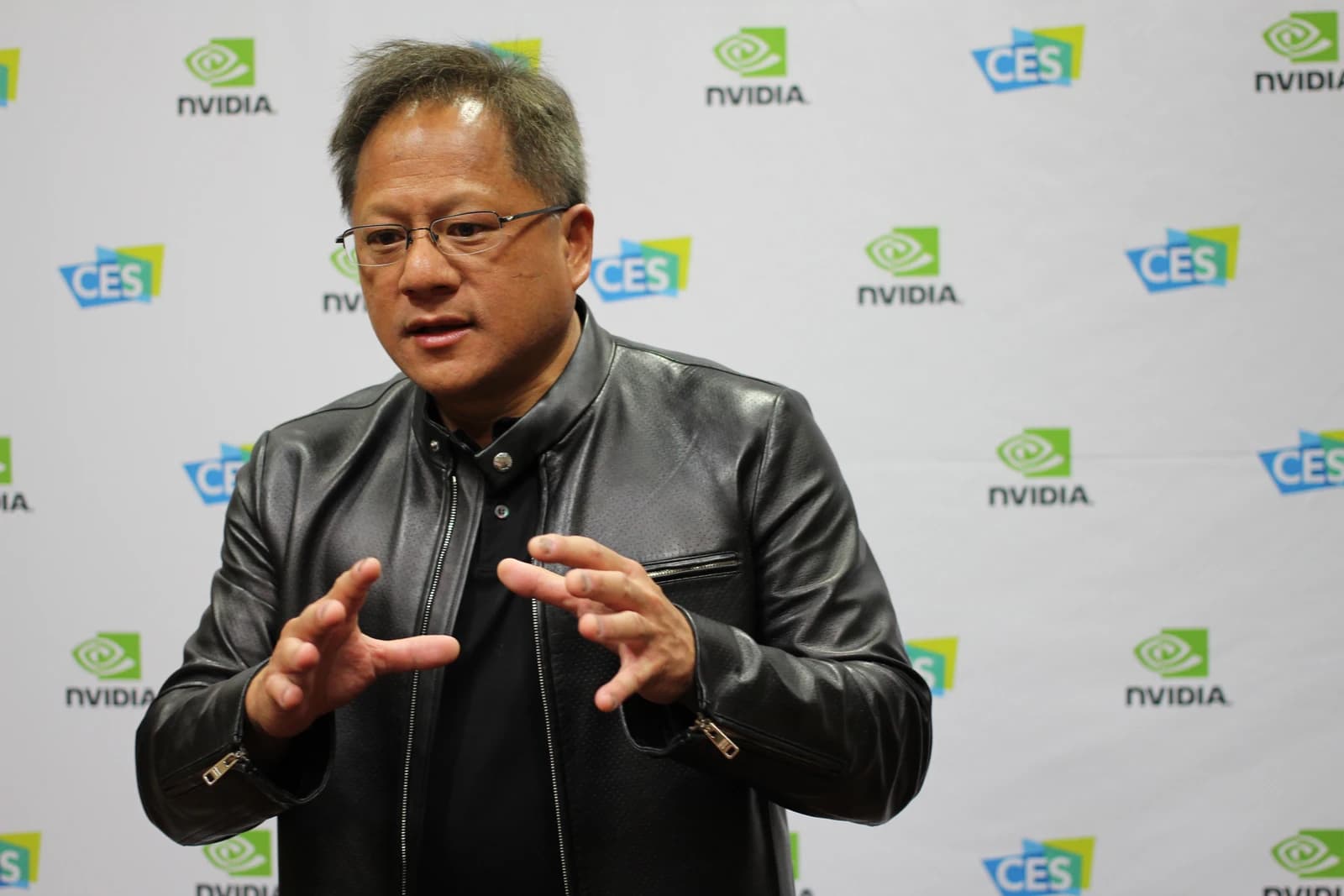
That matters because availability, not demand, has become the immediate constraint in Nvidia’s high-end consumer GPU business. Taiwanese media reported that senior vice president Jeff Fisher said the RTX 5090 would remain a key product during a visit to Taipei for the launch of RTX Spark, underscoring that gaming and GeForce remain central to Nvidia even as the company’s AI business dominates the stock market narrative. The comments were a direct rebuttal to speculation that Nvidia was diverting GB202 chips away from consumer cards and toward professional RTX PRO accelerators.
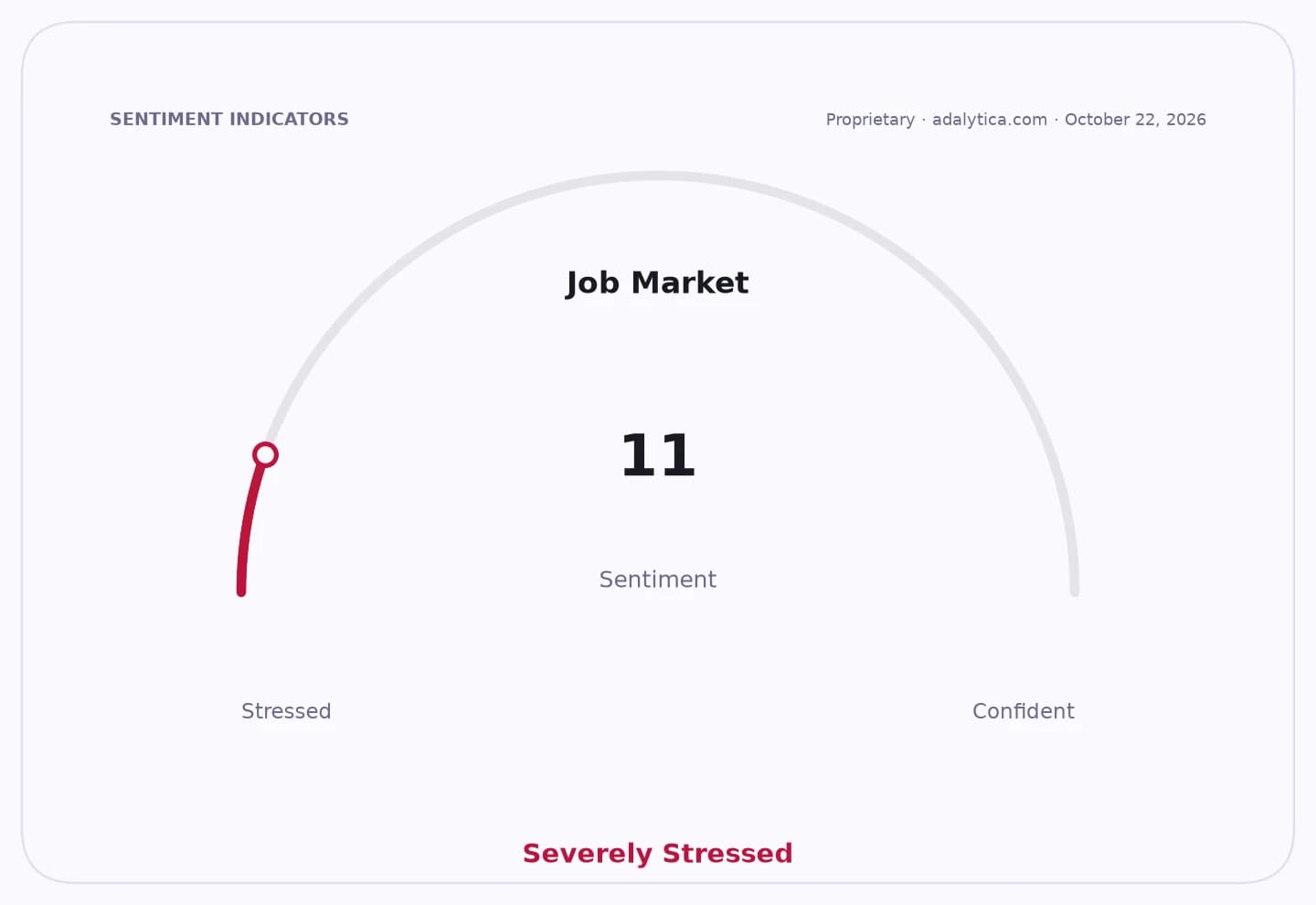
Sentiment IndicatorsⓘProprietary · adalytica.com · October 21, 2026
This is a snapshot — live sentiment, awareness and momentum for 130+ markets update continuously in the dashboard.Open AlphaPulse
The timing is important. Nvidia’s shares have been volatile even as the company remains one of the market’s most closely watched AI beneficiaries, with conventional technical indicators showing the stock trading near its 50-day moving average and below recent highs after a strong summer run. Adalytica’s NVIDIA Earnings Sentiment gauge still reads “Extreme Greed,” but the recent cooling in awareness and sentiment suggests investors are already parsing whether supply constraints, product mix shifts or broader demand normalization could affect near-term execution.
For Nvidia, keeping the RTX 5090 in circulation helps preserve the halo effect around the GeForce brand, which remains the most visible consumer-facing link between the company’s gaming heritage and its current AI leadership. Fisher’s remarks also serve a strategic purpose: they reassure enthusiasts and channel partners that Nvidia is not abandoning the top end of the gaming market at a time when high-performance GPUs are central to both gaming and AI-adjacent workloads.
But the supply picture remains murky. Reports say the card has disappeared from Nvidia’s own online store and from inventories at major retailers such as Micro Center, a sign that continued production does not necessarily mean broad retail availability. That leaves several plausible explanations — component bottlenecks, wafer allocation decisions or distribution limits — none of which Nvidia addressed directly.
The stakes extend beyond one product. If Nvidia is prioritizing scarce advanced chips toward higher-margin professional and AI systems, that would reinforce the company’s economics but tighten supply in consumer gaming hardware. If, instead, the RTX 5090 shortage reflects temporary logistics or manufacturing constraints, the issue may prove transitory. Either way, the episode highlights the tension inside Nvidia’s business model: the same chipmaking ecosystem that powers its AI boom must still support a consumer franchise that remains strategically important, even if it is no longer the main earnings engine.
Investors will watch for confirmation on whether RTX 5090 shipments normalize, whether Nvidia’s gaming mix shifts toward lower-end RTX 50 models, and whether any further evidence emerges of chip reallocation between consumer and professional product lines.
| Entity | Gains | Losses |
|---|---|---|
| Nvidia | ▲Preserves GeForce halo | ▼Faces supply scrutiny |
| Gamers | ▲RTX 5090 stays available in theory | ▼Still struggle to buy one |
| Retailers | ▲May clear backlog if supply returns | ▼Lose sales from stockouts |
| AI/professional GPU segment | ▲Potential priority in allocation | ▼Consumer cards may be squeezed |