Nvidia has ended production of the lower-tier Shield TV and raised the price of the Shield TV Pro to $299, a move that underscores how rising component costs are reaching even niche consumer hardware at a time when the company is pouring more capital into artificial intelligence.
Nvidia ends Shield TV model, raises Shield Pro price
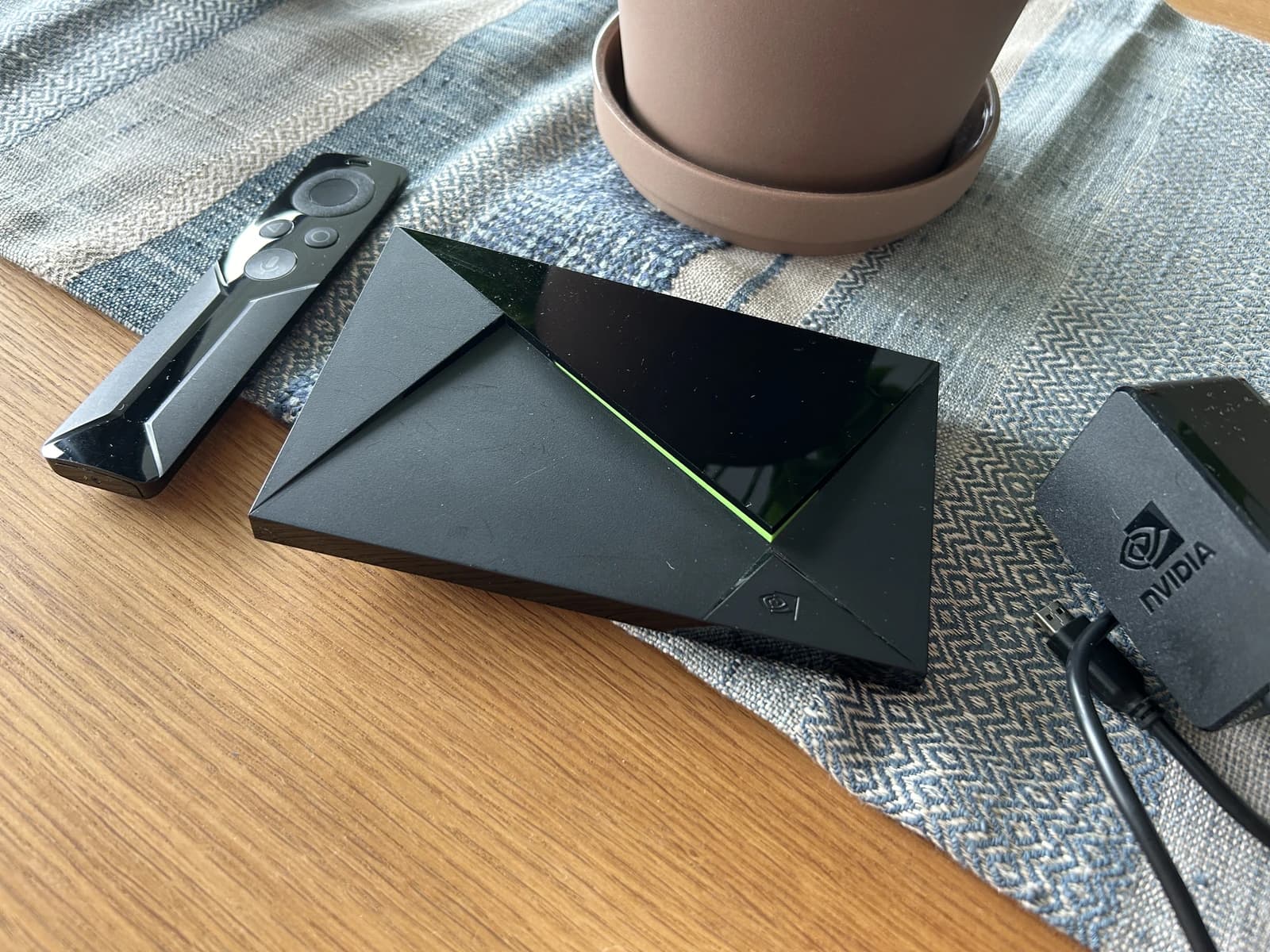
The change matters less for the streaming-device market than for what it says about Nvidia’s allocation of resources. The Shield line has long been a cult favorite among power users, but it is no longer central to Nvidia’s growth story. With AI demand driving its valuation, Nvidia is increasingly focused on data center chips, software and services that can scale far beyond a set-top box. The decision to drop the entry model and reprice the Pro suggests the company sees little economic reason to subsidize a mature product in a supply chain still under pressure.
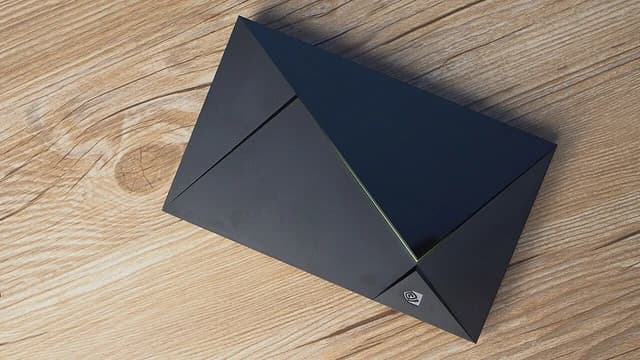
Nvidia said component costs, including memory, have risen substantially across the industry. That is consistent with broader electronics makers’ warnings that memory and other inputs remain expensive, especially as AI data-center buildouts tighten supply. For a legacy device built around the aging Tegra X1 platform, the economics are harder to justify than they were when the Shield TV launched into a less inflationary hardware environment. The Pro still offers 4K HDR, Dolby Vision and Nvidia’s AI upscaling, but the product has not had a major refresh in years, limiting its ability to defend a higher price against newer rivals.
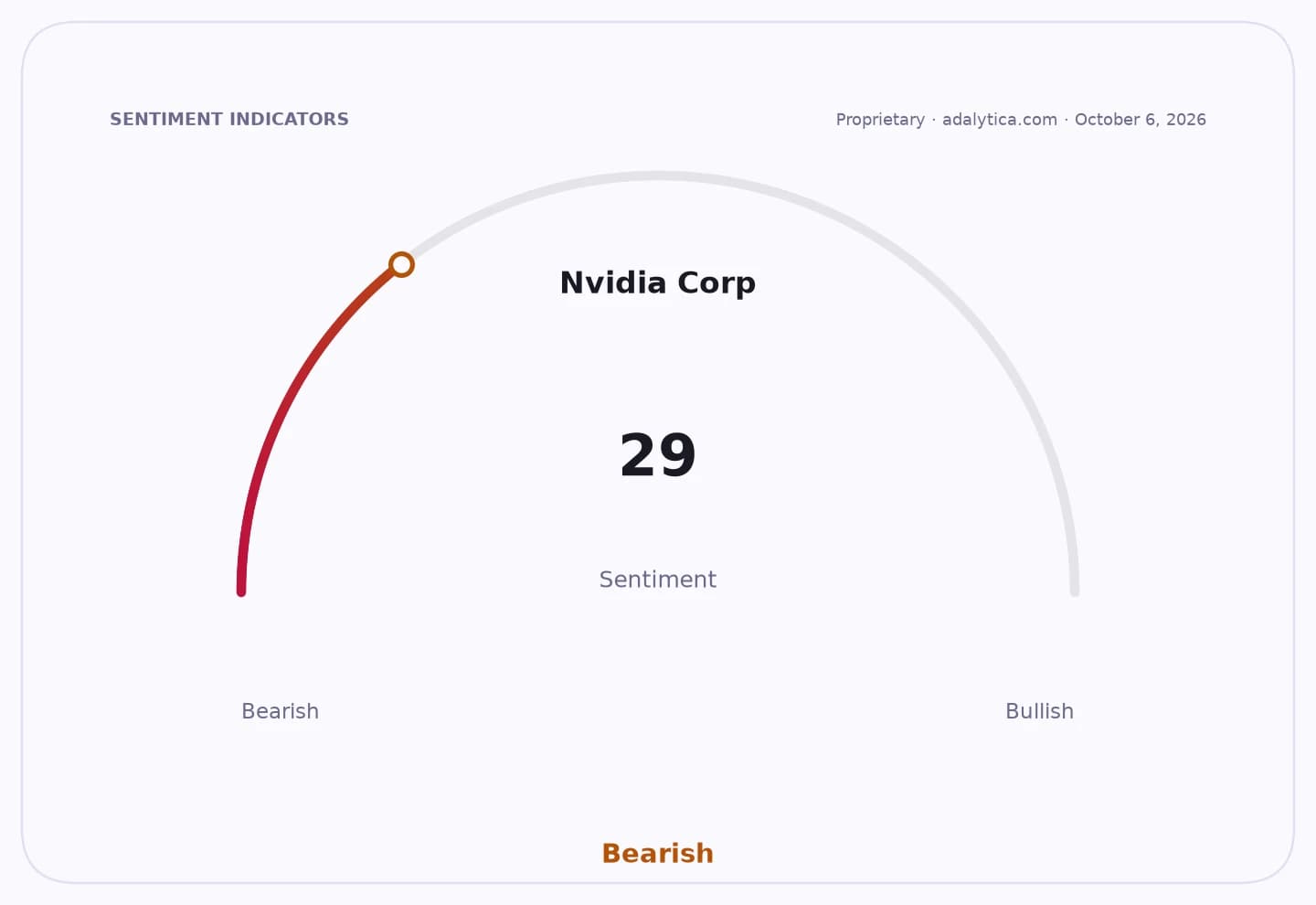
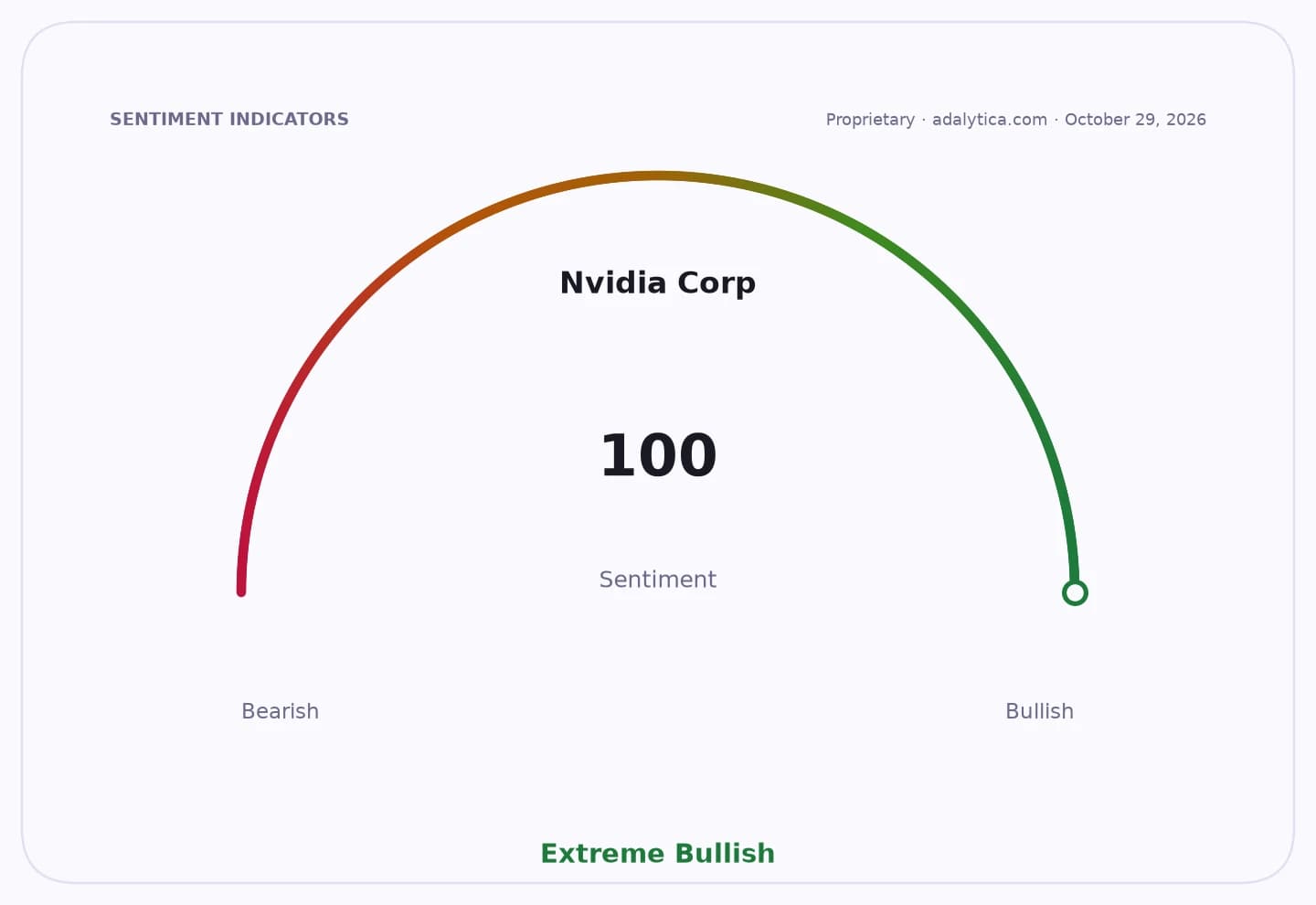
For investors, the move is a small but telling reminder that Nvidia’s consumer hardware business is not the story. Shares have been driven by demand for accelerated computing, not streaming boxes, and the stock’s technical picture remains stretched after a powerful rally: the latest price data show Nvidia well above both its 50-day and 200-day moving averages, with an elevated RSI reading that points to momentum rather than cheap valuation. In that context, the Shield’s shrinkage looks like portfolio pruning, not a sign of stress in the core business.
The timing also leaves Nvidia exposed to a narrowing niche in living-room streaming, where Roku, Apple and TV makers continue to compete aggressively. Roku’s shares have been volatile and Sony’s consumer electronics business is hardly a direct substitute, but the broader market for streaming hardware is mature, price-sensitive and increasingly squeezed by integrated smart-TV platforms. Nvidia can reach gamers and media users through GeForce Now and its partnerships with TV makers, making the Shield Pro less essential to the company’s strategy than it once was.
The bull case is that Nvidia is simply rationalizing a low-volume product line while protecting margins in a business where every component cost matters. The bear case is that the price hike signals a consumer hardware franchise being left to wither, potentially ceding a loyal user base. Either way, the message to investors is the same: Nvidia’s economic engine is elsewhere, and the Shield’s retreat reinforces how far the company’s center of gravity has shifted toward AI infrastructure.
| Entity | Gains | Losses |
|---|---|---|
| Nvidia AI business | ▲Focused capital allocation | ▼Consumer hardware distraction |
| Nvidia Shield Pro | ▲Survives at premium price | ▼Mass-market appeal |
| Roku and Apple TV rivals | ▲Price-sensitive buyers may compare alternatives | ▼Less direct competition from Shield |
| Streaming-device buyers | ▲More choice in mature market | ▼Higher Nvidia price point |