Occitanie’s economy is showing enough strain in tourism, construction and hiring that local business leaders are warning the region could slide into a broader downturn if investment and demand do not stabilize.
Occitanie economy slows in tourism and construction

That is the message from Samuel Hervé, president of Médef Occitanie, who described the situation as a “cry of alarm” after pointing to falling activity in several of the region’s most important industries. The warning matters because Occitanie is not a niche local story: it is a major French economic zone where tourism, building and transport support tens of thousands of jobs, and weakness there can quickly spill into consumer spending, municipal finances and business solvency.
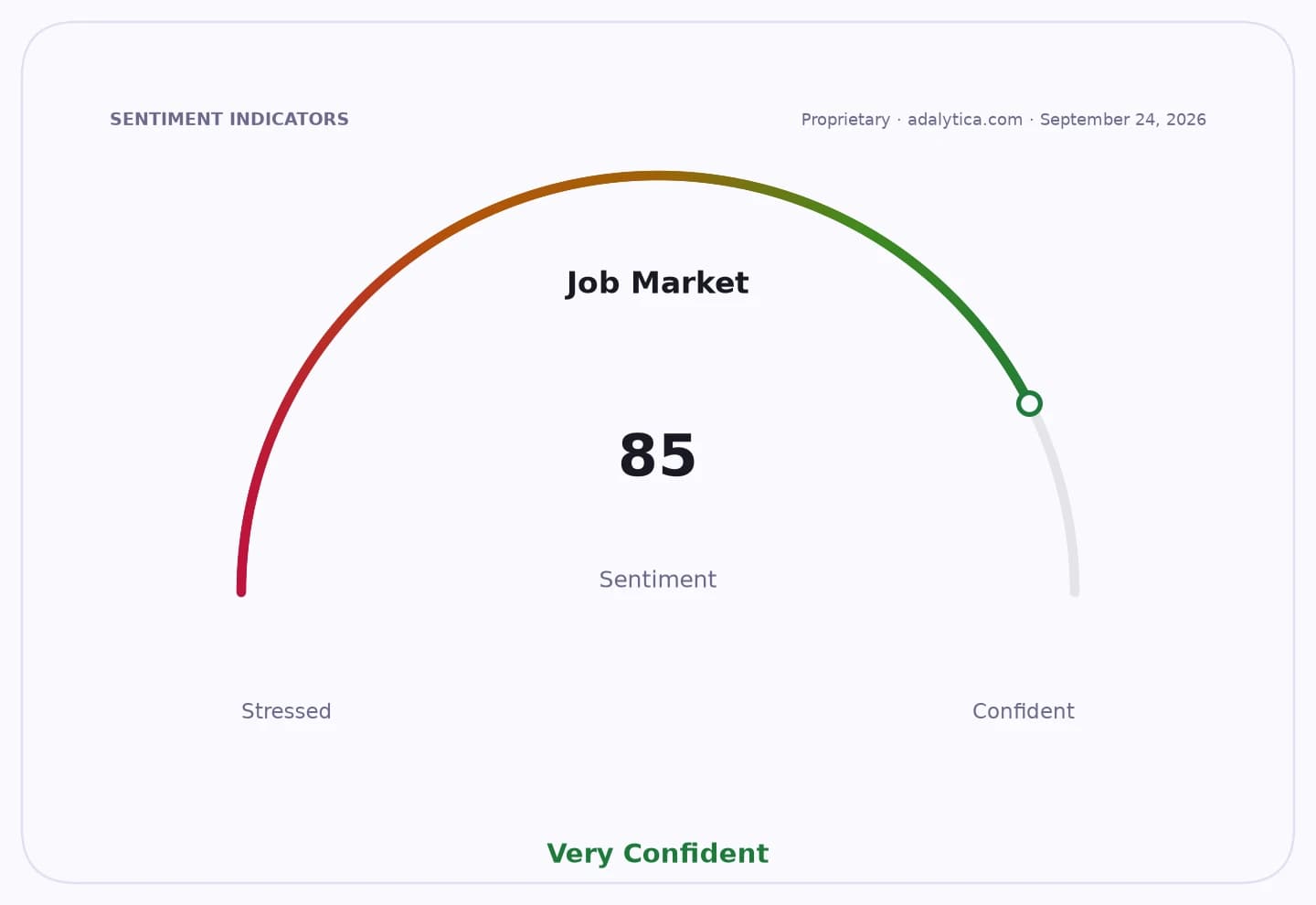
Sentiment IndicatorsⓘProprietary · adalytica.com · September 3, 2026
This is a snapshot — live sentiment, awareness and momentum for 130+ markets update continuously in the dashboard.Open AlphaPulse

Tourism is one of the clearest pressure points. Hervé said the sector accounts for about 135,000 commercial jobs, yet parts of the region are seeing sharp declines in traffic. In the Lot, activity in open-air hotels has fallen by 60%, while businesses in the Pyrénées-Orientales and Gard are also reporting drops in visitor numbers, turnover and average spending. For investors, that is a reminder that travel demand is not evenly distributed: local downturns can hit hotel operators, restaurants, transport providers and small suppliers even when larger national indicators look steadier.
Construction is looking just as fragile. Hervé said calls for tenders are down 28% since the start of the year and blue-collar employment in the sector has fallen 5%. That matters economically because building is one of the region’s core engines for private investment, subcontracting and materials demand. When public and private projects slow, the pain radiates through banks, suppliers, utilities and local services. It also helps explain why regional business leaders are pressing municipalities to hold the line on capital spending.
The labor market is not offering much cushion. Médef Occitanie said the region has generated just 900 net jobs in the first half of the year and that the unemployment rate stands at 9.5%, above the national average. In other words, the region is still creating jobs, but not enough to offset weakness in tourism, building and transport. That is the kind of backdrop that can lead to more defaults, weaker wage growth and softer household demand.
The corporate stress is already showing up in failures. Hervé said business insolvencies rose 6.3% in the first half from a year earlier, with the most worrying cases being established mid-sized companies with hundreds of employees. For investors, that is important because failures of decent-sized local firms tend to hit credit quality, commercial real estate, suppliers and regional lenders more than headline-grabbing small-business closures do.
The one area still holding up is aerospace, but Hervé’s point is that it is not enough to carry the wider economy. That is the real narrative here: Occitanie is still benefiting from one powerful industrial pillar, yet too many other sectors are weakening at once. When a region starts to depend on one export-heavy industry while domestic demand softens, resilience can erode faster than policymakers expect.
There are signs the pressure is not limited to Occitanie. Conventional labor-market indicators in the data remain relatively firm at the national level, but regional sentiment gauges tell a more cautious story: job-market sentiment has turned neutral and consumer-confidence recession sentiment remains deep in fear territory. Those readings reinforce the idea that companies and households are getting more defensive even before a full-blown recession appears.
For long-term investors, the takeaway is straightforward: this is a regional warning shot about France’s domestic-growth engine. If tourism, construction and transport stay weak, and if local authorities do not step up investment, the slowdown could deepen and spread. The better-positioned businesses will be those with strong balance sheets, pricing power and exposure to structural growth, not those dependent on cyclical regional demand. Worth watching, but not a time to ignore the signal.
| Entity | Gains | Losses |
|---|---|---|
| Aerospace firms | ▲steady order books | ▼no burden of broader slowdown |
| Tourism operators | ▲none | ▼lower traffic and spending |
| Construction firms | ▲none | ▼fewer tenders, softer hiring |
| Local governments | ▲political pressure to act | ▼weaker activity and tax revenue |