Oil prices climbed to their highest level in six weeks on Monday after escalating tensions between the U.S. and Iran renewed fears of disruptions to crude shipments from the Middle East, lifting Brent above $98 a barrel and pushing U.S. benchmark WTI to $92.65.
Oil prices hit six-week high on Iran tensions

The move matters because the market is once again pricing in a risk premium tied to the Strait of Hormuz, the narrow waterway through which a large share of the world’s oil passes. Any prolonged interference there would tighten global supply, raise fuel costs and add pressure to inflation just as central banks are still trying to pin down the path for interest rates.
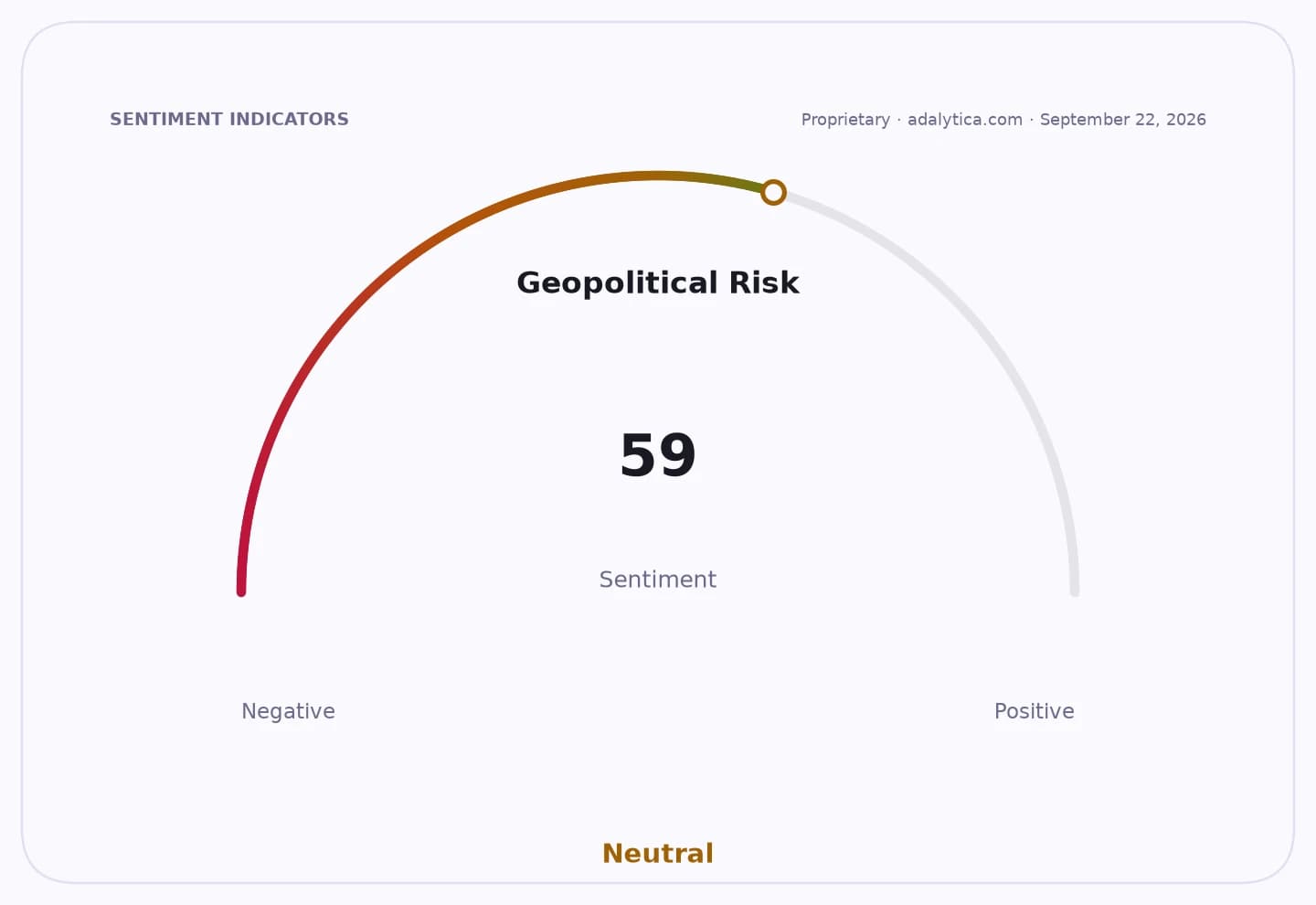
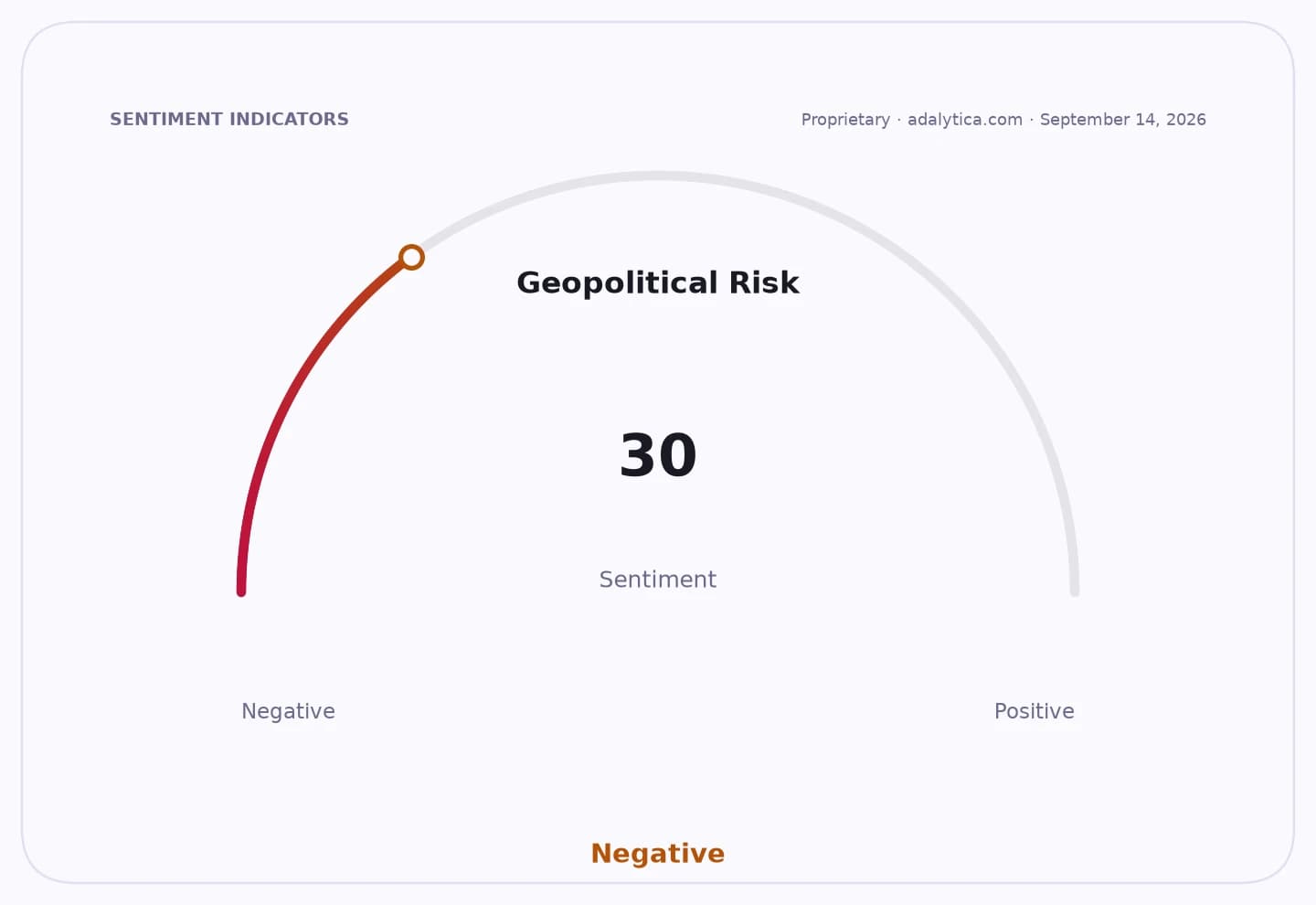
Sentiment IndicatorsⓘProprietary · adalytica.com · September 8, 2026
This is a snapshot — live sentiment, awareness and momentum for 130+ markets update continuously in the dashboard.Open AlphaPulse

For investors, the rally reinforces how quickly geopolitical headlines can reset energy pricing and ripple through equities, currencies and bonds. Oil-linked names and commodity trades typically benefit first, while airlines, refiners and transport firms face higher input costs if the spike persists.
The latest advance builds on a volatile stretch in crude trading. Brent had recently pulled back toward $94 a barrel after surging above $99, while U.S. oil futures have swung sharply in recent sessions as traders weigh the odds of more supply disruption against signs that the market can still absorb near-term shocks.
Technical indicators also show the rebound has regained momentum. BNO, the Brent oil ETF, closed at $56.11 on Sept. 4, above its 50-day moving average of $48.64 and near its Bollinger Band upper range, while RSI readings around 67.7 suggest the rally is strong but not yet at the most extreme overbought levels.
Adalytica’s USO oil trade signals remain in neutral sentiment, but awareness is high at 74, underscoring how closely traders are watching the Middle East risk premium. The near-term catalyst is whether tensions ease or deepen; if supply is affected further, analysts say Brent could push through $100 a barrel.
| Entity | Gains | Losses |
|---|---|---|
| Oil producers | ▲Higher realized prices | ▼Lower volumes if disruptions spread |
| Brent and WTI longs | ▲Mark-to-market gains | ▼Profit-taking if tensions cool |
| Fuel consumers | ▲Short-term hedging opportunity | ▼Higher pump and transport costs |
| Airlines and shippers | ▲Lower crude would help margins | ▼Jet fuel and freight costs rise |