OJK says the Jakarta Stock Exchange’s removal of its Rp50 minimum share price limit is working as intended, with the regulator seeing prices reset to levels that better reflect demand, supply and company fundamentals.
OJK Says BEI Rp50 Share Floor Removal Is Working
The policy, which took effect on Sept. 28, has already allowed previously stalled stocks to resume trading with more normal liquidity, according to OJK’s capital markets chief Hasan Fawzi. He said some shares have found a new floor, while others have started to rise, which the regulator views as evidence that market-based price formation is returning.
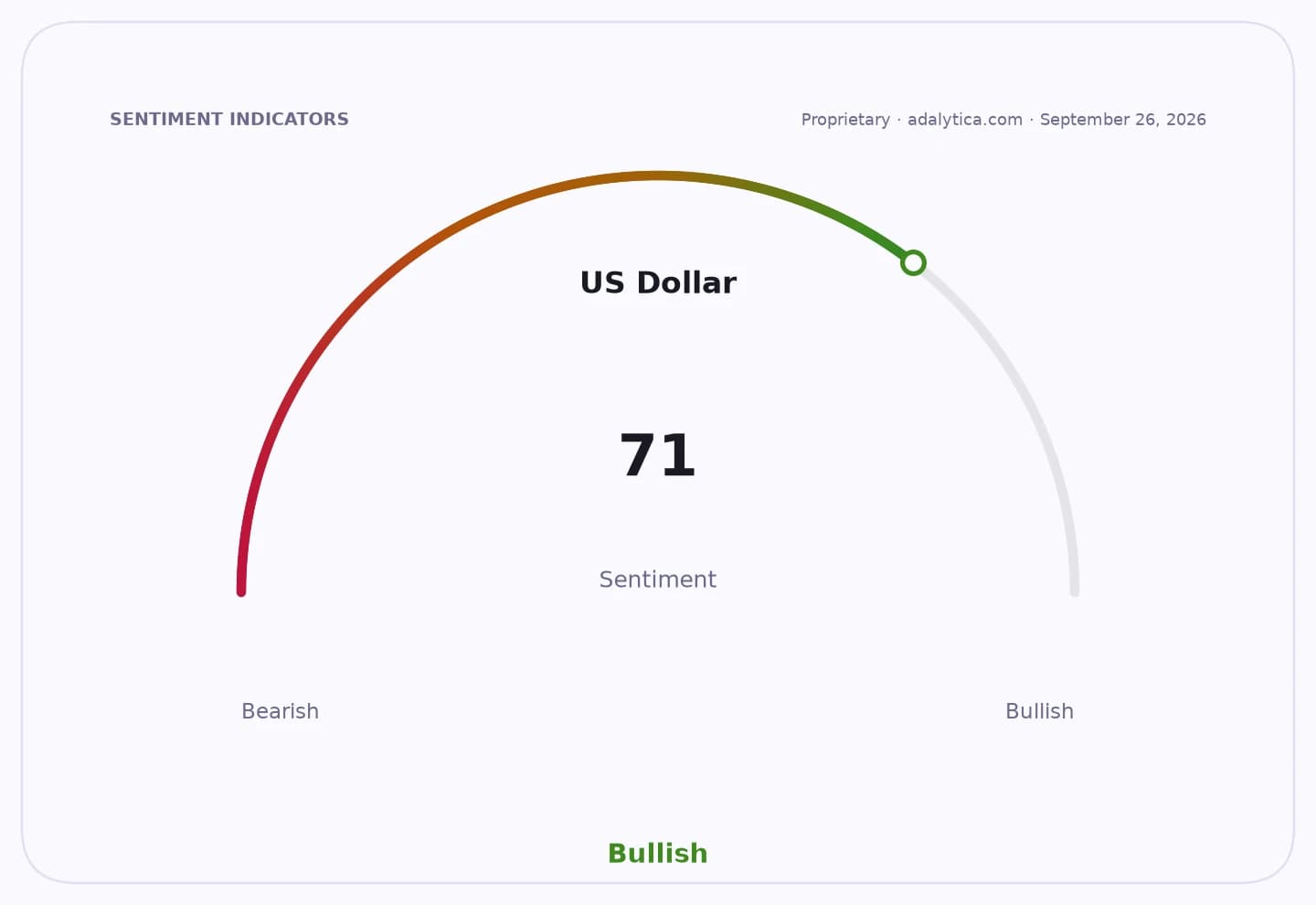
Sentiment IndicatorsⓘProprietary · adalytica.com · October 5, 2026
This is a snapshot — live sentiment, awareness and momentum for 130+ markets update continuously in the dashboard.Open AlphaPulse
For investors, the change matters because lower-priced names that had been pinned at Rp50 can now move more freely, improving price discovery and potentially widening participation in the market. That can help revive turnover in small-cap and distressed stocks, but it also increases dispersion: weaker businesses may keep sliding, while stronger balance sheets can re-rate faster.
The move also aligns Indonesia with what OJK calls global best practice in regional and international exchanges. In practical terms, removing the floor reduces manual intervention in pricing and lets valuations track fundamentals and future prospects more closely, a shift that can matter for liquidity, index composition and trading strategies built around sub-Rp100 shares.
INDO, which has traded at Rp2.67 to Rp2.76 in recent sessions, remains well below its 200-day moving average of about Rp3.35 and has a relative strength index in the mid-20s, underscoring how far some names remain under pressure even after the rule change. The stock’s latest close of Rp2.76 also sits below the conventional 50-day moving average, suggesting the market is still searching for a durable base.
The next test is whether more of these newly flexible stocks can sustain volumes and hold above their post-rule floors, or whether the change mostly exposes how weak the underlying fundamentals remain.
| Entity | Gains | Losses |
|---|---|---|
| OJK / BEI | ▲Better price discovery | ▼Less pricing intervention |
| Active traders | ▲More trading opportunities | ▼Higher volatility risk |
| Weak sub-Rp50 stocks | ▲Freer price movement | ▼Further downside exposure |
| Long-term investors | ▲Clearer valuation signals | ▼Firms with poor fundamentals |