Inflation is still showing up where consumers feel it most: in the price of a beer stein at Munich’s Oktoberfest, where the average Maß will cost 15.61 euros this year, up 2.4% from 2025 and five times the 1985 level.
Oktoberfest beer prices rise to 15.61 euros

That matters because the Wiesn has become a small but telling case study in pricing power. While Germany’s broader consumer inflation is expected to run around 3% this year, Oktoberfest beer prices have climbed far faster over the long run, rising 400% since 1985 versus roughly 120% for consumer prices overall. In other words, the festival is not just a cultural event; it is a live example of how demand, scarcity and brand value can let sellers push through price increases well beyond general inflation.
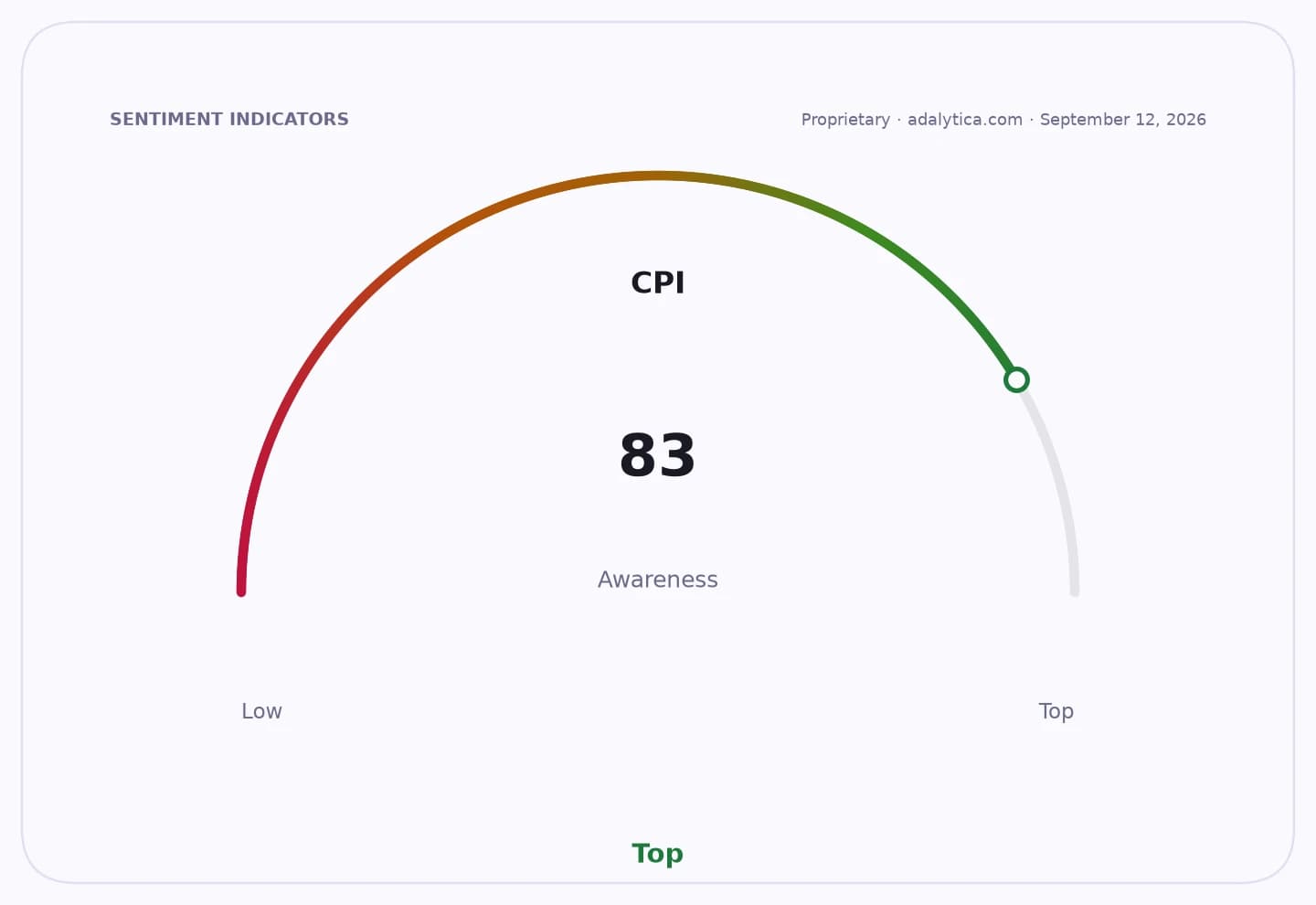
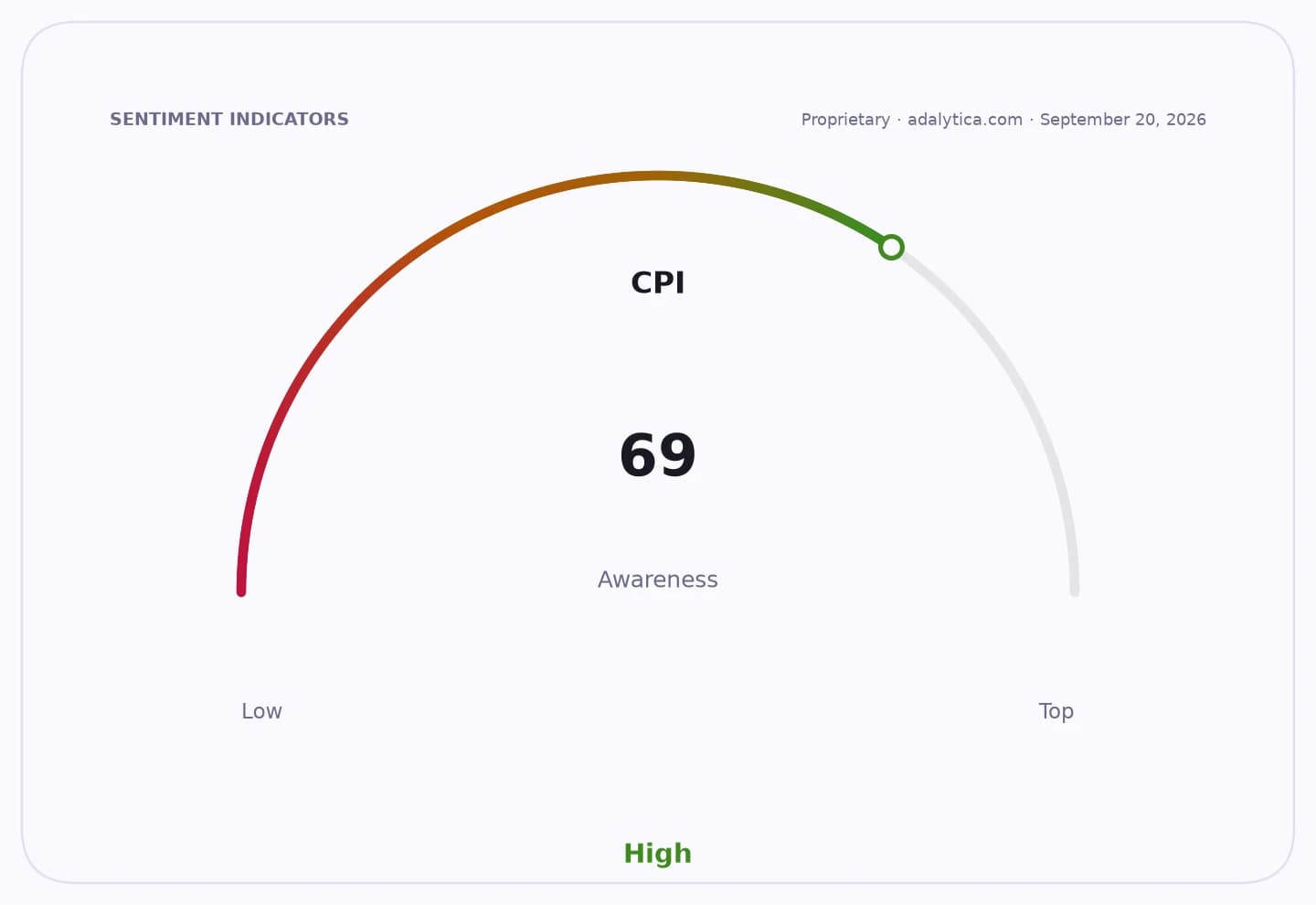
Sentiment IndicatorsⓘProprietary · adalytica.com · September 16, 2026
This is a snapshot — live sentiment, awareness and momentum for 130+ markets update continuously in the dashboard.Open AlphaPulse
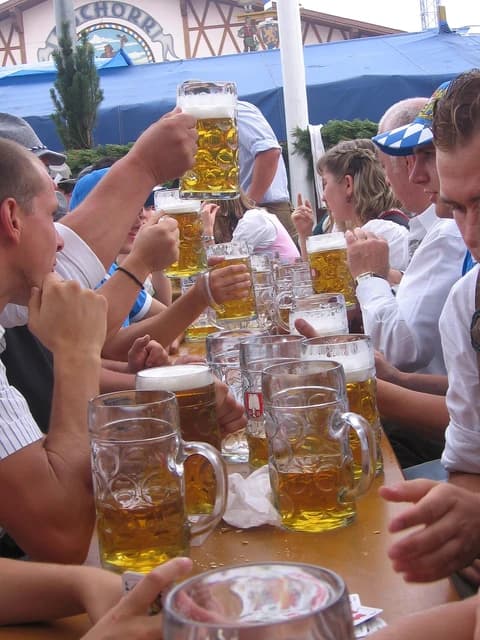
For investors, that contrast is the real story. The market often treats food-and-beverage pricing as a simple function of input costs, but Oktoberfest shows how premium experiences can behave more like luxury goods than staples. When consumers continue to pay up for tradition, location and exclusivity, the operator captures the upside — and the pricing discipline can persist even when inflation cools elsewhere.
Unicredit economist Andreas Rees said this year’s increase looks modest and suggested the beer-price curve may have already peaked, at least for now. That is an important signal for sectors that rely on volume, not just price. If higher sticker prices begin to curb demand, the next phase of the cycle shifts from margin expansion to customer resistance, which is exactly where breweries, hospitality groups and branded beverage companies start to separate winners from losers.

The listed beer trade is not the only place to watch. For global brewers such as Anheuser-Busch InBev and U.S. beer names like Boston Beer, the lesson is that pricing power is a finite asset. Companies can often raise prices faster than inflation for a time, but if the consumer ultimately pushes back, volumes become the pressure point. That is why premiumization, mix improvement and brand strength matter more than headline price hikes alone.
Oktoberfest will open with Munich mayor Dominik Krause tapping the first keg on Saturday, and millions of visitors will decide whether the price is worth it. The broader investment takeaway is clear: in a world still wrestling with inflation, the best businesses are the ones that can make customers pay more without breaking demand. That is the moat to own.
| Entity | Gains | Losses |
|---|---|---|
| Oktoberfest beer sellers | ▲Higher revenue per Maß | ▼Volume if demand softens |
| Munich festival operators | ▲Stronger pricing power | ▼Price backlash risk |
| Premium brewers | ▲Better mix and margins | ▼Bargain-focused consumers |
| Consumers | ▲Festival experience | ▼Purchasing power |