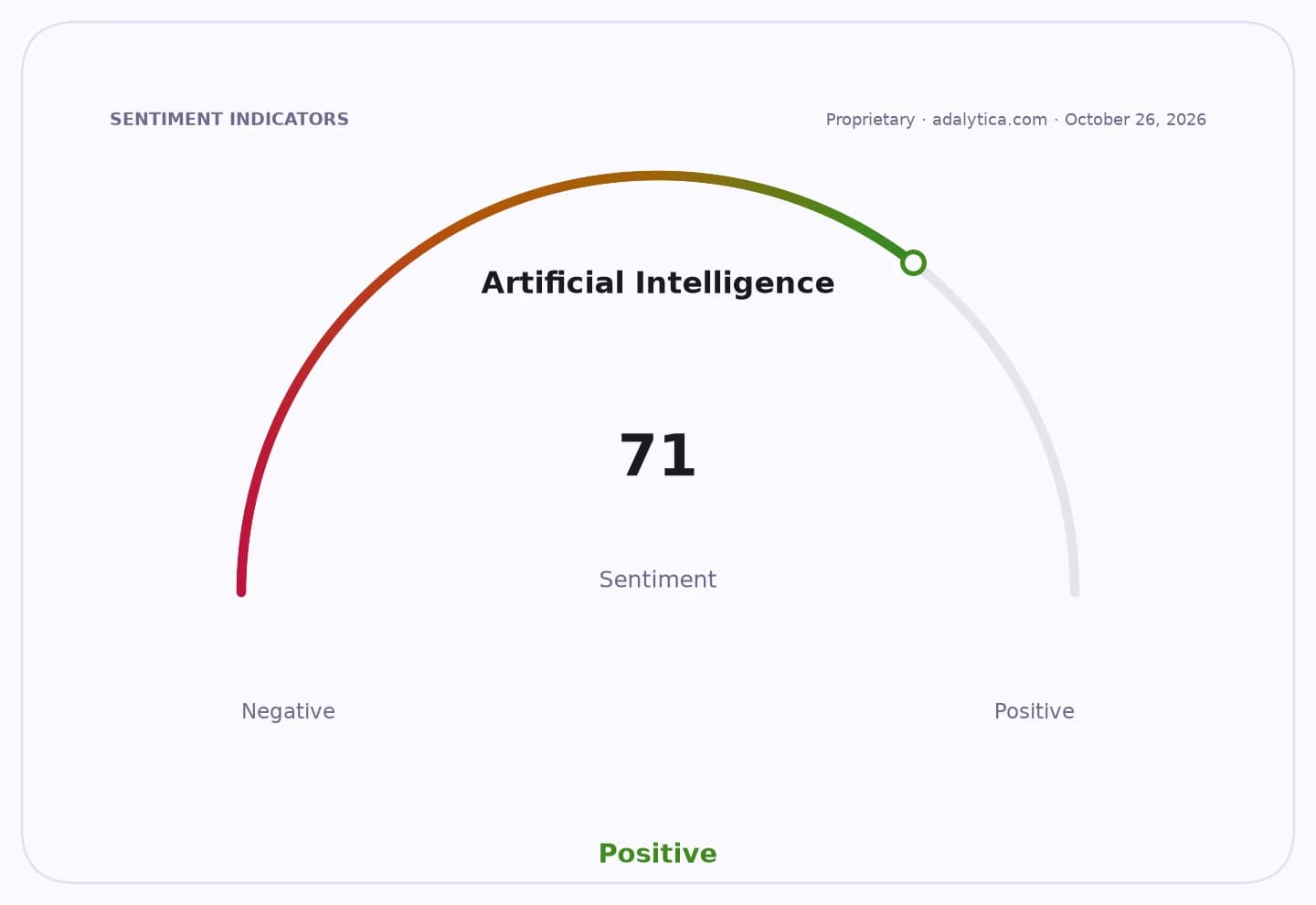
AI in Oman is moving out of the experimentation phase and into the harder task of lifting day-to-day business performance, with executives urging companies to focus on operational problems rather than broad digital ambition.
Oman AI Adoption Focuses on Business Performance
Artificial Intelligence
That shift matters because Oman’s diversification drive depends less on headline technology spending than on whether companies can turn software investment into productivity, better decision-making and more resilient operations. In a market trying to broaden its economy beyond hydrocarbons, the difference between adopting AI and applying it effectively will shape returns for corporates, contractors and the government’s wider Vision 2040 agenda.
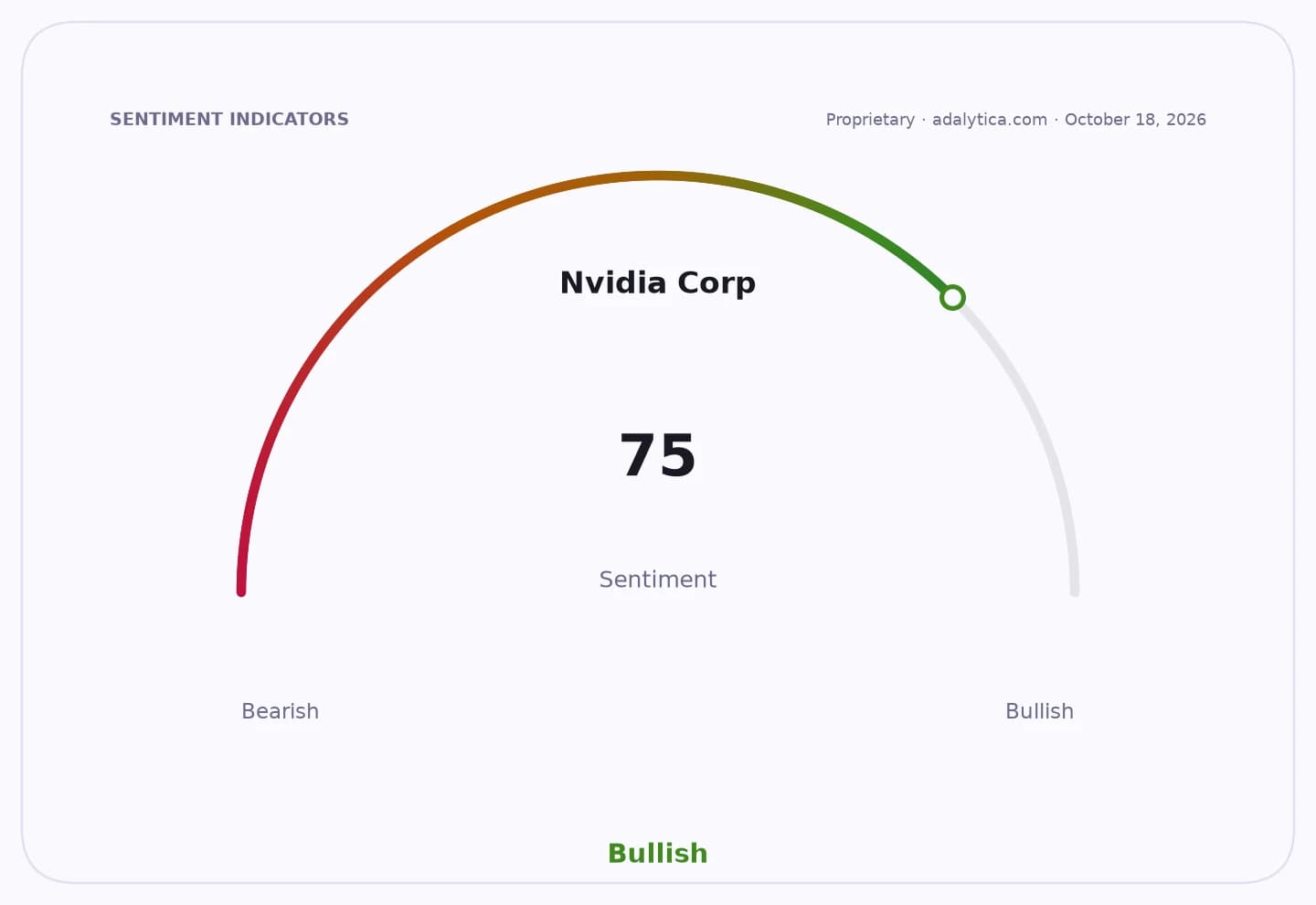
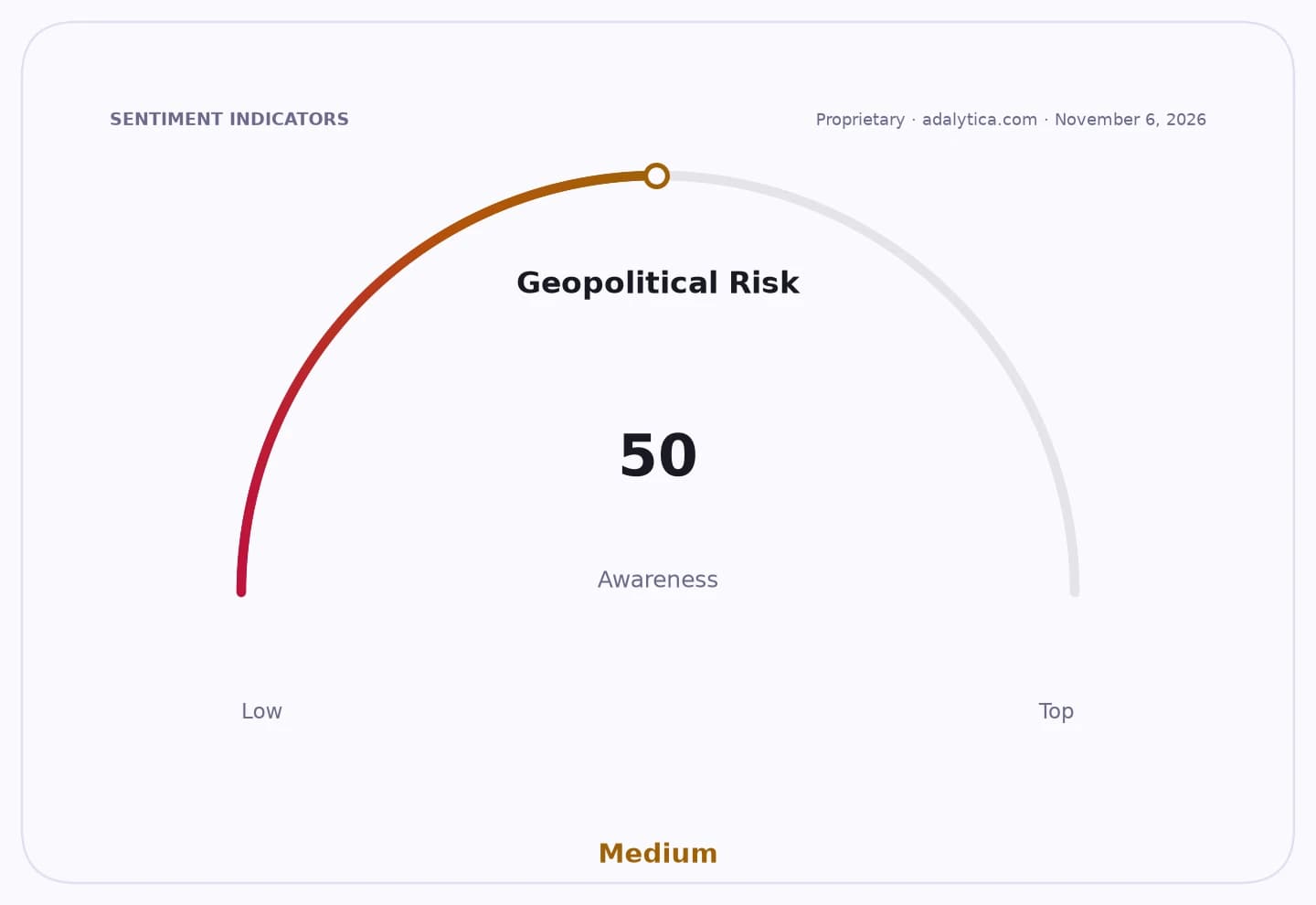
Sentiment Indicators
At an SAP event in Muscat, business leaders and technology executives said the value of AI depends on trusted data, industry knowledge and staff skills, not simply on deploying new tools. The message comes as Oman accelerates digital reform: the government said its Digital Transformation Program improved to 94% at the end of 2025 from 73% a year earlier, while the Sultanate attracted OMR1.2 billion in communications and information technology investment in 2025, including about OMR65 million in AI.
SAP used the gathering to frame its “autonomous enterprise” model, in which applications, data and AI are linked so agents can work across business processes using enterprise data and business context. That pitch is designed to appeal to firms under pressure to deliver measurable savings and faster decisions, not just innovation theatre.
For investors and operators, the economic logic is straightforward. AI applied to finance, supply chains, human resources and customer operations can reduce bottlenecks, improve forecasting and lower working capital needs. In resource-heavy economies such as Oman, the biggest gains are likely to come from maintenance, procurement, logistics and planning rather than consumer-facing chatbots. That makes data quality and workflow integration more important than model sophistication.
Petroleum Development Oman, one of the country’s most important companies, underscored that point by stressing that AI’s value will come from combining technology with sector know-how and workforce development. Energy Development Oman said AI could help analyze complex scenarios and support a more resilient and sustainable energy system, while Zubair’s CIO said firms should use the technology to rethink how they create value, not only automate existing tasks.
The bull case is that Oman is laying the groundwork for a more efficient private sector just as capital is flowing into digital infrastructure and AI capabilities. The bear case is that many companies will still struggle with fragmented data, governance gaps and skills shortages, leaving AI as a presentation-layer tool rather than a profit driver.
For listed global beneficiaries such as SAP, and for infrastructure and cloud players tied to enterprise software rollouts, the opportunity is less about one event than a longer adoption cycle across the Gulf. For Oman’s economy, the test is whether AI can raise productivity fast enough to support diversification targets and improve the performance of sectors from energy to manufacturing.
| Entity | Gains | Losses |
|---|---|---|
| Omani businesses | ▲Higher productivity | ▼Legacy inefficiency |
| SAP and tech vendors | ▲More enterprise demand | ▼Pure pilot projects |
| Government/Vision 2040 | ▲Faster diversification | ▼Slow digital execution |
| Workforce lagging in skills | ▲New training needs | ▼Automation pressure |