Digital DEWA’s WETEX 2026 showcase is a reminder that the next phase of the AI boom is moving beyond software hype and into the harder, more valuable business of building trusted infrastructure. For investors, that matters because the real money in artificial intelligence is increasingly flowing to the operators of data centers, GPU-ready cloud, secure networking, and industrial digitization — not just the model makers.
Digital DEWA WETEX 2026 AI infrastructure push
At Dubai Electricity and Water Authority’s WETEX stand, the digital arm is pitching a stack of AI and infrastructure tools through Moro Hub, InfraX and DigitalX, including GPU-powered cloud services, AI video analytics, IoT systems for utilities and smart cities, and audio-visual platforms for government and enterprise customers. The common thread is control: these offerings are hosted in UAE-based green data centers, designed to support data sovereignty, and built for organizations that want AI capability without outsourcing sensitive workloads offshore.
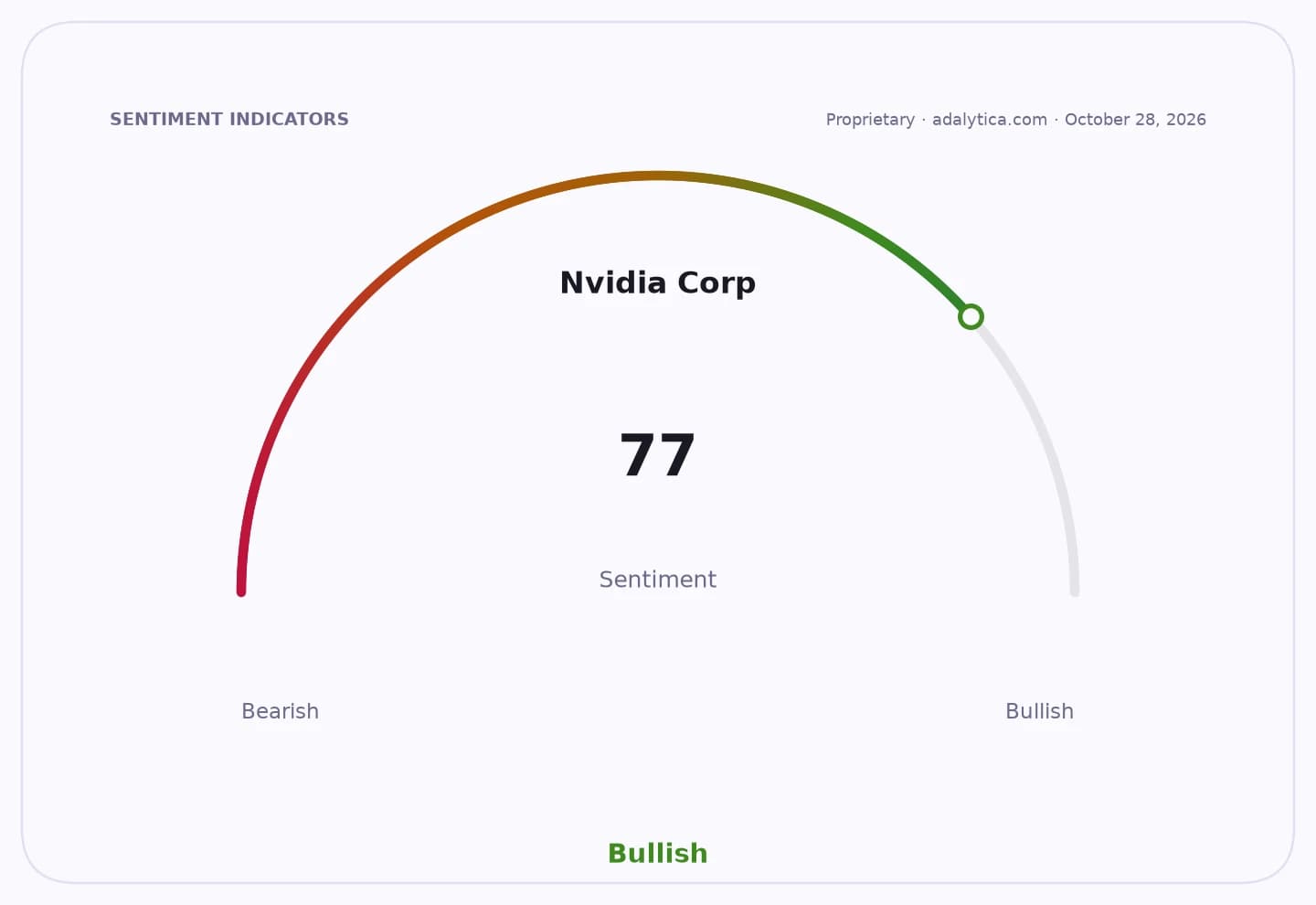
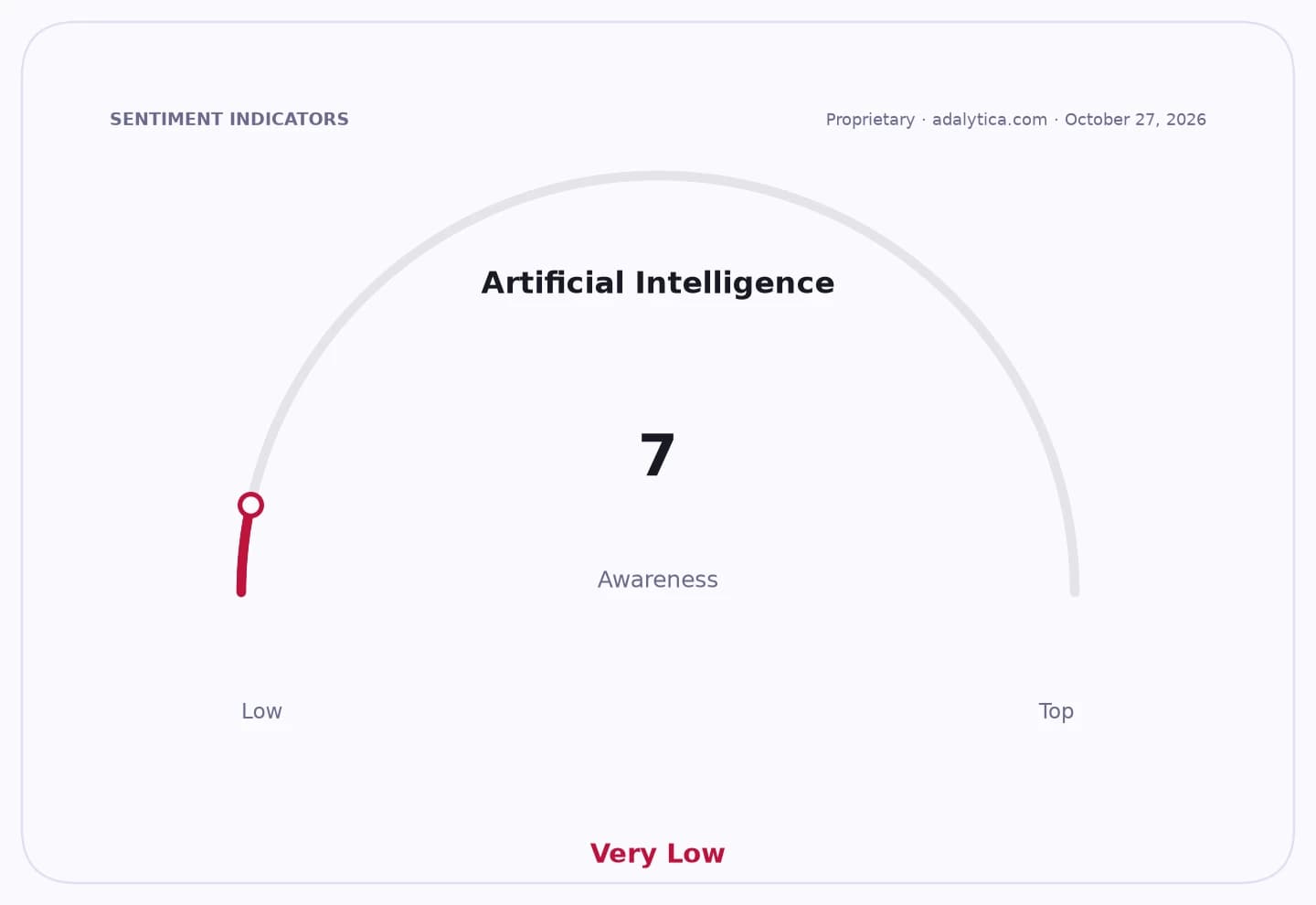
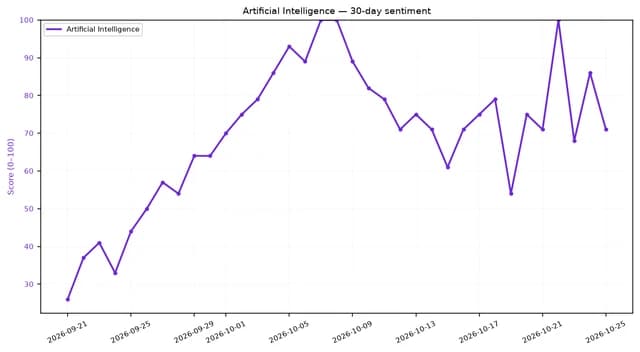
Sentiment Indicators
That is economically significant because sovereign AI infrastructure is becoming a strategic capex category across the Gulf and beyond. Governments and critical industries want local compute, lower latency, tighter security and compliance, which creates a durable market for domestic cloud, colocation, managed services and edge automation. In practical terms, every new AI deployment needs a chain of physical assets underneath it — power, cooling, fiber, racks, GPUs and monitoring — and that is where spending can compound for years.
The investment angle is straightforward: the market still tends to chase the visible AI names while underestimating the infrastructure stack that makes AI usable at scale. That means beneficiaries can include data center operators, GPU suppliers, cloud infrastructure providers, cybersecurity vendors and systems integrators tied to public-sector digitization. The same logic applies to smart-city IoT and utility automation, where predictive maintenance and real-time monitoring can cut operating costs and improve service reliability.
WETEX also reinforces how tightly AI is being linked with sustainability in the Middle East. Moro Hub is emphasizing renewable-powered green data centers, while InfraX is pushing smart meters, valve control and personnel tracking for utilities. That combination matters because power efficiency is now a competitive advantage in AI deployment: the winners will be the platforms that can scale compute without blowing up energy costs or breaching local regulatory requirements.
For investors, the message is to look one layer deeper than the AI headline trade. The strongest multi-year opportunity may sit in the picks-and-shovels around sovereign cloud, digital infrastructure and utility automation, especially in regions like the UAE where government backing, capital spending and digital transformation are moving together. If the AI cycle keeps expanding, the next leg of upside should accrue to the companies that own the infrastructure layer.
| Entity | Gains | Losses |
|---|---|---|
| Digital DEWA / Moro Hub / InfraX / DigitalX | ▲More demand for sovereign AI infrastructure | ▼Commodity IT vendors |
| UAE government / utilities | ▲Better security and efficiency | ▼Legacy infrastructure models |
| GPU and cloud infrastructure suppliers | ▲Higher capex spending | ▼Offshore-only cloud providers |
| Investors in AI picks-and-shovels | ▲Long-duration growth tailwinds | ▼Late buyers of crowded AI leaders |